
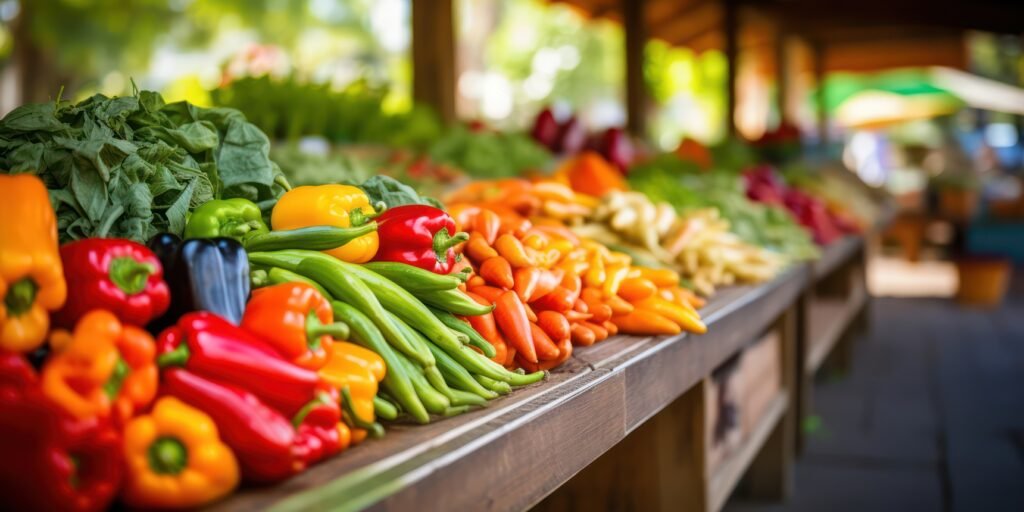
To identify effective superfoods for weight management, prioritize foods that are high in nutrients yet low in calories, such as leafy greens, berries, and legumes. These options not only promote fullness but also help manage cravings, making it easier to control overall caloric intake. Incorporating high-fiber foods can further enhance satiety, while lean proteins support muscle maintenance during weight loss. Additionally, consider the glycemic index of your food choices; opting for low-GI foods can help stabilize blood sugar levels, aiding in weight management efforts. Aim to create a balanced plate with a variety of colorful fruits, vegetables, and whole grains for optimal health benefits.
Understanding Nutrient Density
Nutrient density is a key factor when identifying superfoods for weight management. Foods that are nutrient-dense provide a high amount of vitamins, minerals, and other beneficial compounds relative to their calorie content. This means that you can eat a satisfying portion without consuming excessive calories. For example, leafy greens like spinach and kale are low in calories but packed with essential nutrients like vitamins A, C, and K, making them ideal for weight management.
When evaluating foods, consider their micronutrient profiles and how they fit into your overall dietary goals. Nutrient-dense foods can also help reduce cravings and keep you feeling full, which is crucial for weight control. Aim to fill your plate with a variety of colorful fruits and vegetables, whole grains, and lean proteins to maximize nutrient intake.
The Role of Fiber and Protein
Fiber and protein are both essential components in superfoods that can aid in weight management. Fiber helps promote satiety, slowing digestion and keeping you feeling full longer. Foods high in fiber, such as legumes, whole grains, and fruits, can help reduce overall calorie intake by curbing hunger. For instance, a cup of lentils provides around 15 grams of fiber, making it an excellent choice for a filling meal.
Protein, on the other hand, is vital for maintaining muscle mass during weight loss. Foods like lean meats, fish, and plant-based proteins such as beans and quinoa not only provide essential amino acids but also help with muscle repair and growth. Including adequate protein in your diet can enhance your metabolism, making it easier to manage weight effectively.
Evaluating Glycemic Index
The glycemic index (GI) of a food measures how quickly it raises blood sugar levels after consumption. Foods with a low GI are beneficial for weight management, as they provide a slower, more sustained release of energy, helping to control hunger and cravings. Incorporating low-GI superfoods such as oats, sweet potatoes, and most fruits can be particularly helpful.
High-GI foods, like sugary snacks and white bread, can lead to rapid spikes in blood sugar, followed by crashes that often result in increased hunger and overeating. By focusing on low-GI options, you can stabilize your blood sugar levels, which is crucial for effective weight management.
Incorporating Superfoods into Your Diet
To effectively incorporate superfoods into your diet, start by gradually introducing them into your meals. Aim to replace processed foods with whole, nutrient-dense options. For breakfast, consider oatmeal topped with berries and nuts, which provides fiber and protein. For lunch, a salad filled with a variety of vegetables, legumes, and a lean protein source can be satisfying and nourishing.
Snack on fruits, nuts, or yogurt instead of high-calorie processed snacks, and experiment with different recipes to keep meals interesting. By making small, consistent changes to your diet, you can create sustainable habits that support weight management. Remember to listen to your body’s hunger signals and prioritize whole foods over convenience items to maximize health benefits.
Frequently Asked Questions
What are superfoods?
Superfoods are nutrient-dense foods that provide health benefits beyond basic nutrition, often rich in vitamins, minerals, and antioxidants.
How can superfoods help with weight management?
Superfoods can aid in weight management by promoting feelings of fullness, providing essential nutrients, and supporting metabolism.
Are all superfoods low in calories?
Not all superfoods are low in calories, but many nutrient-dense options are lower in calories compared to processed foods, making them better choices for weight management.
Can I lose weight by only eating superfoods?
While including superfoods in your diet can support weight loss, a balanced diet and lifestyle changes are essential for effective weight management.
What are some examples of effective superfoods?
Effective superfoods include leafy greens, berries, nuts, seeds, legumes, and whole grains, all of which are nutrient-dense and beneficial for weight management.
Conclusion
Effective weight management requires a focus on nutrient-dense superfoods, which can help you feel full while providing essential nutrients. By prioritizing foods high in fiber and protein, and being mindful of the glycemic index, you can create a balanced diet that supports your weight management goals. Gradually incorporating these superfoods into your meals can foster lasting habits that promote overall health and well-being.
Related Content
- Can Superfoods Really Replace Multivitamins? (What Science Says)
- Recognizing Nutrient Imbalances in Whole Food Diets: Common Signs and Remedies
- Editorial Standards & Corrections
- Coconut Water Nutrition for Hydration Decisions—Electrolytes, Sugar, and When It Fits
- Nutrient Dense Foods That Don’t Work for Weight Loss: Common Misconceptions and Real Impacts