
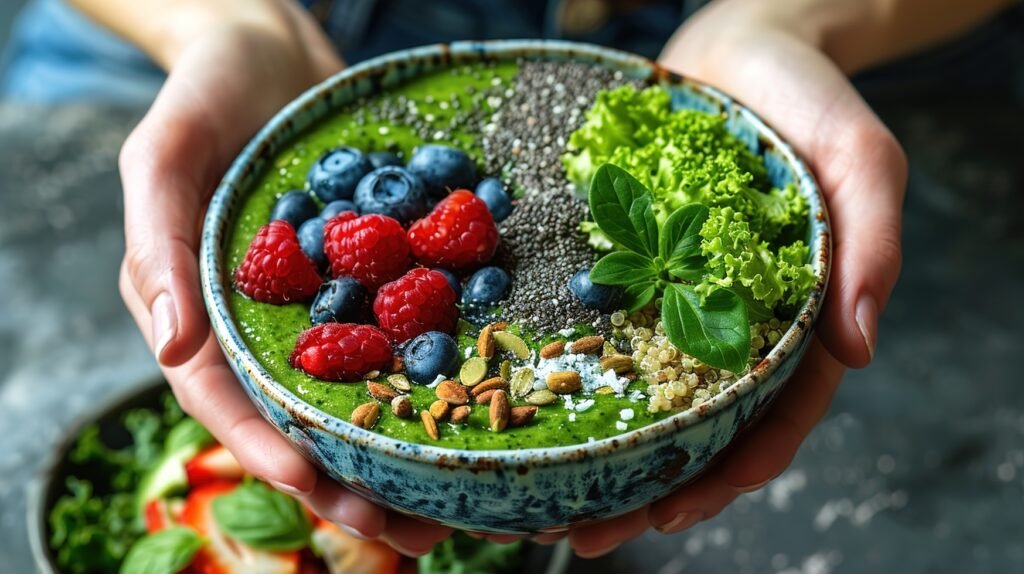
Whole food superfoods might not meet expectations due to misconceptions about their nutrient density and individual health factors. Many people assume that all superfoods are equally beneficial, but the actual nutrient content can vary significantly based on factors like soil quality and food preparation methods. Additionally, personal health conditions, such as digestive issues or dietary restrictions, can affect how well these foods work for an individual. To maximize the benefits of superfoods, it is essential to assess their nutrient profiles in relation to personal dietary needs and to consider how preparation methods might alter their effectiveness.
Misunderstanding Nutrient Density
Nutrient density refers to the amount of essential nutrients per calorie in a food. Many people mistakenly believe that all superfoods are inherently nutrient-dense, leading to unmet expectations. For instance, while kale is often touted as a superfood, the nutrient density can vary based on the soil it’s grown in and its freshness at consumption. Understanding the actual nutrient content of these foods is essential for effective dietary planning.
One common misconception is that simply adding superfoods to a diet will automatically enhance health. However, nutrient density can be affected by various factors including seasonality, preparation methods, and individual dietary needs. For example, someone with a specific nutrient deficiency may not benefit from a superfood that lacks the nutrients they need. Therefore, assessing the nutrient profile of individual foods in the context of overall dietary patterns is crucial.
Individual Health Factors
Individual health conditions can significantly impact how whole food superfoods are perceived and their effectiveness. For instance, individuals with digestive issues may struggle to absorb certain nutrients found in superfoods, rendering them less effective. Additionally, dietary restrictions or allergies can limit the intake of various superfoods, leading to frustration when expectations are not met.
Moreover, personal metabolic differences can affect how one reacts to superfoods. What works for one person’s body may not work for another’s. For example, while one individual may feel energized after consuming chia seeds, another might experience digestive discomfort. It is vital to recognize that superfoods are not a one-size-fits-all solution and to tailor dietary choices to personal health profiles.
Impact of Food Preparation Methods
The way food is prepared can drastically alter its nutritional value and effectiveness as a superfood. For example, cooking spinach can reduce its oxalate content, making it easier for the body to absorb calcium and iron. Conversely, overcooking can lead to nutrient loss, undermining the benefits of consuming spinach altogether.
Additionally, the addition of oils, sugars, or preservatives during preparation can negate the health benefits of superfoods. For instance, blending a smoothie with high-sugar additives can transform a healthy superfood into a calorie-dense drink that may not provide the expected health benefits. Understanding the best preparation methods for each superfood is essential to maximizing their potential.
Quality and Sourcing Issues
The quality of superfoods can vary significantly based on sourcing and production methods. Organic superfoods may offer higher nutrient levels compared to conventionally grown counterparts due to differences in farming practices. For example, nutrient depletion in soil from over-farming can lead to less nutrient-rich produce.
Moreover, the freshness of superfoods is crucial. Foods that have been stored for extended periods may lose their nutritional potency. For instance, frozen berries can retain nutrients better than fresh ones that have traveled long distances and spent time in storage. Therefore, sourcing superfoods from local farms or trusted suppliers can help ensure that the foods consumed are of high quality and retain their nutritional value.
Frequently Asked Questions
What are common misconceptions about superfoods?
Common misconceptions include the belief that all superfoods are equally beneficial and that simply adding them to a diet will guarantee health improvements.
How do individual health factors affect superfood effectiveness?
Individual health conditions, such as digestive issues or allergies, can impact nutrient absorption and overall effectiveness of superfoods.
Does food preparation affect the benefits of superfoods?
Yes, food preparation methods can significantly alter the nutritional value of superfoods, affecting their health benefits.
How does sourcing impact superfood quality?
The quality of superfoods can vary based on sourcing, with organic and locally sourced options often providing better nutrient levels.
What should I prioritize when incorporating superfoods into my diet?
Prioritize nutrient density, individual health needs, and quality sourcing to maximize the benefits of superfoods in your diet.