
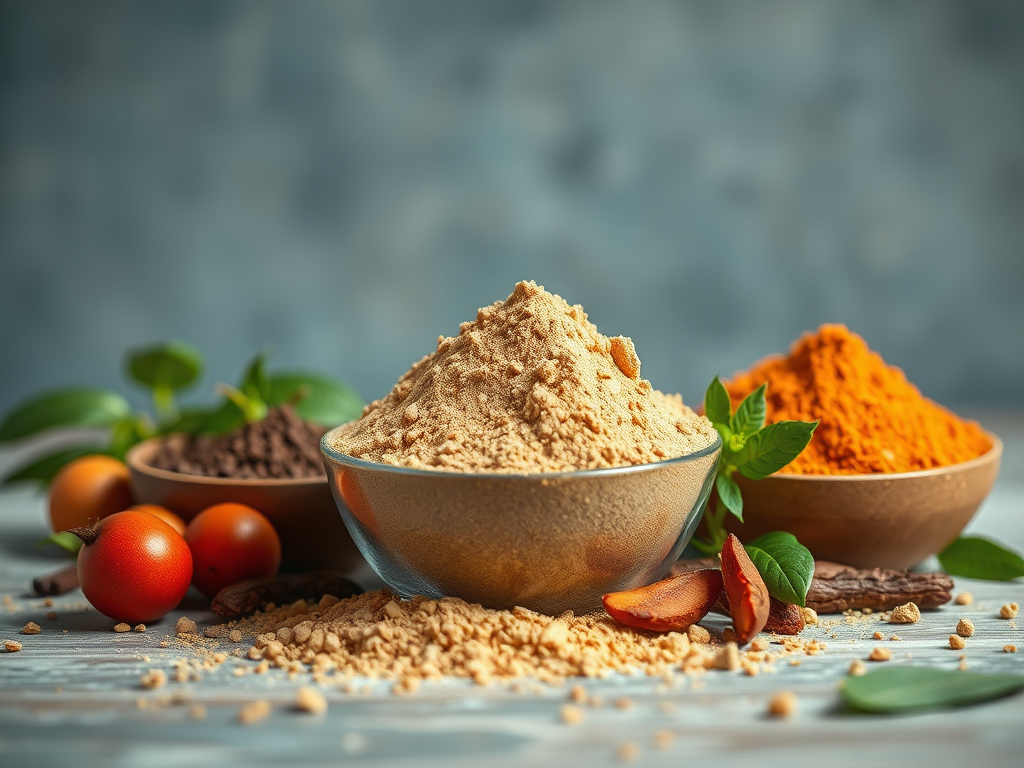
To assess the quality of superfood powders, examine their sourcing, ingredient composition, and nutritional profiles. Look for transparency in sourcing, as reputable brands often provide information about where their ingredients come from. Analyze the ingredient list for fillers or additives, and prioritize products that contain a high concentration of beneficial nutrients. Additionally, consider certifications such as organic or non-GMO, which can indicate higher quality standards.
Understanding Ingredient Sourcing
Ingredient sourcing is crucial when assessing the quality of superfood powders. High-quality powders often come from reputable suppliers who prioritize sustainable farming practices. Brands that transparently share their sourcing information allow consumers to make informed decisions. For instance, superfoods sourced from specific regions known for their nutrient-rich soil, such as maca from Peru or spirulina from controlled freshwater environments, tend to have superior quality. Additionally, understanding the impact of sourcing on nutrient density can help consumers choose products that deliver better health benefits.
Common mistakes include overlooking the origin of the ingredients. Failing to consider where a superfood is sourced can lead to purchasing low-quality products that may lack the expected nutrients. Always look for brands that provide specific details about their sourcing practices, including whether they use wildcrafted or organic ingredients.
Evaluating Nutritional Profiles
The nutritional profile of a superfood powder is another essential aspect of quality assessment. Consumers should look for products with high levels of vitamins, minerals, and antioxidants. For example, protein-rich powders like hemp or pea protein not only support muscle recovery but also provide essential amino acids. In contrast, superfood powders that lack these nutrients may not deliver the promised health benefits.
To effectively evaluate nutritional profiles, check the product label for serving size and the amount of each nutrient per serving. It’s also beneficial to compare similar products to identify those that offer the best value in terms of nutrient density. A common mistake is assuming that all superfood powders are created equal; some may contain significantly lower nutrient levels than others.
Identifying Additives and Fillers
Many superfood powders contain additives and fillers that can dilute their nutritional value. When assessing quality, look for powders with minimal ingredients and no unnecessary additives like artificial flavors, colors, or sweeteners. Clean labels indicate a commitment to quality and transparency, which are essential for making healthy choices.
For instance, some brands may include maltodextrin or other fillers to enhance texture or flavor, which can lead to a lower overall nutrient density. Consumers should be wary of these additives, as they can negate the health benefits of the superfood itself. A practical step is to read labels carefully and favor products that list whole food ingredients as the primary components.
Recognizing Certifications and Standards
Certifications can serve as a valuable indicator of quality when assessing superfood powders. Look for certifications such as USDA Organic, Non-GMO Project Verified, or Gluten-Free to ensure that the product meets specific health and safety standards. These certifications often reflect a commitment to quality and sustainability, which can enhance consumer trust.
However, not all quality superfoods will carry certifications. It’s essential to balance certification with other quality indicators, such as ingredient sourcing and nutritional profiles. A common misconception is that all certified products are high quality; some may still contain undesirable additives or low nutrient levels. Therefore, consumers should consider certifications as one part of a broader quality assessment strategy.
Frequently Asked Questions
What should I look for on a superfood powder label?
Look for clear ingredient lists with minimal additives, high nutrient content, and information about sourcing practices.
Are organic superfood powders always better?
While organic powders often indicate higher quality, it’s essential to also evaluate nutrient density and ingredient sourcing.
How can I ensure I’m getting a high-quality product?
Research brands, check for certifications, and read reviews to assess quality before purchasing superfood powders.
What are common fillers found in superfood powders?
Common fillers include maltodextrin, artificial sweeteners, and flavor enhancers that can reduce the overall nutritional value.
Is it worth investing in premium superfood powders?
Investing in premium powders can provide better health benefits, as they often contain higher nutrient levels and fewer additives.
Conclusion
Assessing the quality of superfood powders requires careful consideration of ingredient sourcing, nutritional profiles, and the presence of additives. By prioritizing transparency in sourcing, evaluating nutritional content, and recognizing certifications, consumers can make informed choices that align with their health goals. Avoiding common pitfalls, such as overlooking fillers and making assumptions about certifications, will enhance the likelihood of selecting high-quality superfood powders that deliver real health benefits.
Related Content
- What tools do i need for whole food meal prep?
- Why Nutrient Density Varies in Plant-Based Foods: Understanding Key Factors and Examples
- Challenges With Integrating Superfoods Into Family Meals: Practical Solutions and Strategies
- Healthy Snacks for Weight Loss and Better Satiety: Choices, Portions, and Timing
- Can Superfoods Improve Gut Health Without Supplements: Top Foods and Their Benefits