
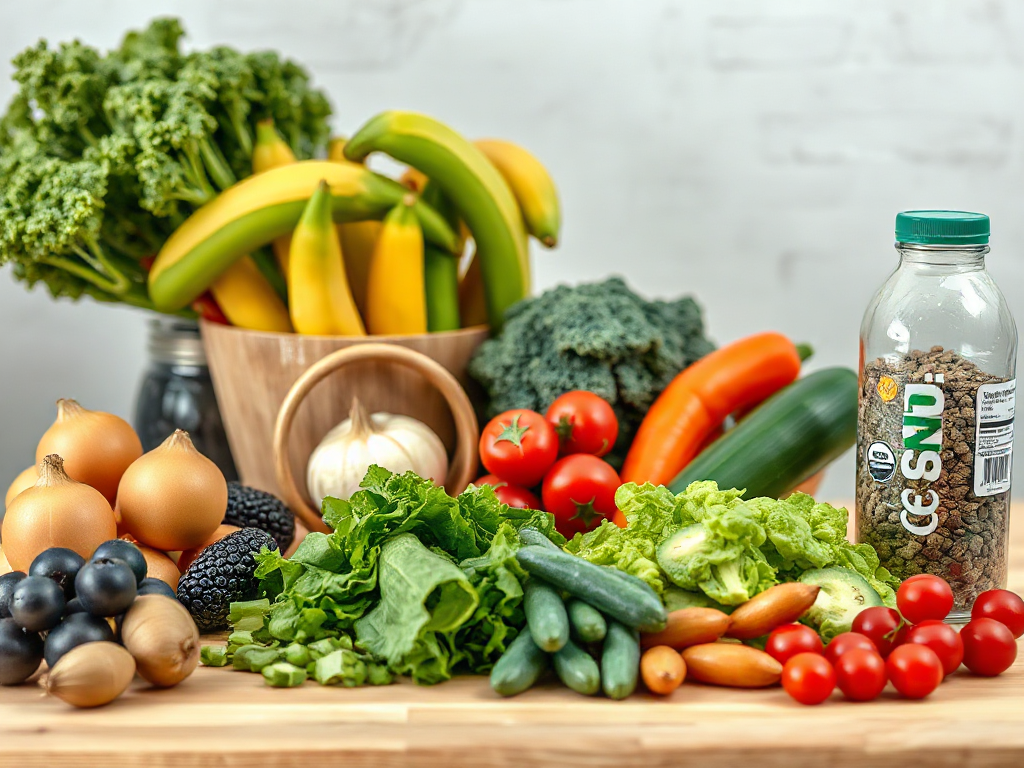
Some superfoods may not align with cultural diets due to differences in traditional food practices, nutritional needs, and taste preferences. Cultural diets are shaped by historical, geographical, and social factors that prioritize certain foods over trendy superfoods. For instance, while quinoa is celebrated for its health benefits, it may be unfamiliar or unappealing in cuisines that rely on rice or local grains. Understanding these dynamics is crucial for integrating superfoods into diverse eating habits without disregarding cultural significance.
Cultural Significance in Dietary Choices
Cultural significance plays a crucial role in dietary choices, influencing what foods are valued within a community. Traditional diets are often built around locally available ingredients that have been passed down through generations. These foods are not just sources of nutrition; they carry historical, social, and spiritual meanings that are integral to cultural identity.
For example, in Mediterranean cultures, olive oil is more than a cooking fat; it represents a lifestyle and is a cornerstone of the Mediterranean diet known for its health benefits. When superfoods like chia seeds or acai berries are introduced, they may clash with these established norms, making it challenging for individuals to embrace them. Understanding local food customs and the importance of traditional ingredients can help in recognizing why certain superfoods may be rejected.
Nutritional Needs and Superfoods
Nutritional needs vary significantly across cultures, influenced by factors such as age, health status, and lifestyle. Superfoods are often marketed as universally beneficial, but this can overlook the unique dietary requirements of different populations. For instance, while kale is touted for its nutrient density, it may not be suitable for individuals who have thyroid issues or those who traditionally consume iodine-rich foods.
Additionally, traditional diets are often balanced in macronutrients tailored to the local environment. For example, in regions where fish is a staple, the focus on omega-3 fatty acids might diminish the perceived need for flaxseeds or walnuts, which are often promoted as superfoods. It is essential to consider these nutritional contexts when evaluating the fit of superfoods in various diets.
Taste Preferences and Acceptance
Taste preferences are deeply rooted in cultural practices and can significantly affect the acceptance of superfoods. Foods that are familiar and commonly consumed are more likely to be embraced than those that are perceived as foreign or unusual. For instance, the taste of spirulina might be off-putting to someone used to the flavors of traditional fermented foods.
Moreover, many superfoods have distinct flavors or textures that may not blend well with traditional dishes. For example, while the nutritional benefits of matcha are recognized, its strong taste might not complement the flavors of certain ethnic cuisines. Acknowledging these flavor profiles and finding ways to incorporate superfoods into familiar recipes can enhance acceptance and enjoyment.
Integrating Superfoods into Cultural Diets
Successfully integrating superfoods into cultural diets requires a thoughtful approach that respects traditional practices while introducing new options. One effective strategy is to adapt superfoods into existing recipes rather than presenting them as standalone items. For instance, adding a spoonful of hemp seeds to traditional porridge can enhance its nutritional profile without compromising familiar flavors.
Collaboration with local chefs and nutritionists can help identify ways to merge superfoods with traditional ingredients, creating dishes that are both nutritious and culturally relevant. Furthermore, education about the benefits of these foods, tailored to specific cultural contexts, can foster openness and curiosity. This way, individuals can make informed choices that honor their dietary heritage while exploring new nutritional possibilities.
Frequently Asked Questions
What are superfoods?
Superfoods are nutrient-rich foods considered to be especially beneficial for health and well-being, often packed with vitamins, minerals, and antioxidants.
Why might a superfood not fit into a cultural diet?
A superfood may not fit due to cultural significance, different nutritional needs, or taste preferences that do not align with traditional foods.
Can superfoods be integrated into traditional recipes?
Yes, integrating superfoods into traditional recipes can enhance nutritional value while respecting cultural practices, making them more acceptable.
How can taste preferences affect the acceptance of superfoods?
Taste preferences shaped by cultural practices can lead to rejection of superfoods if their flavors do not align with familiar dishes.
What role does education play in accepting superfoods?
Education about the benefits of superfoods, tailored to specific cultural contexts, can foster openness and curiosity, encouraging acceptance.