
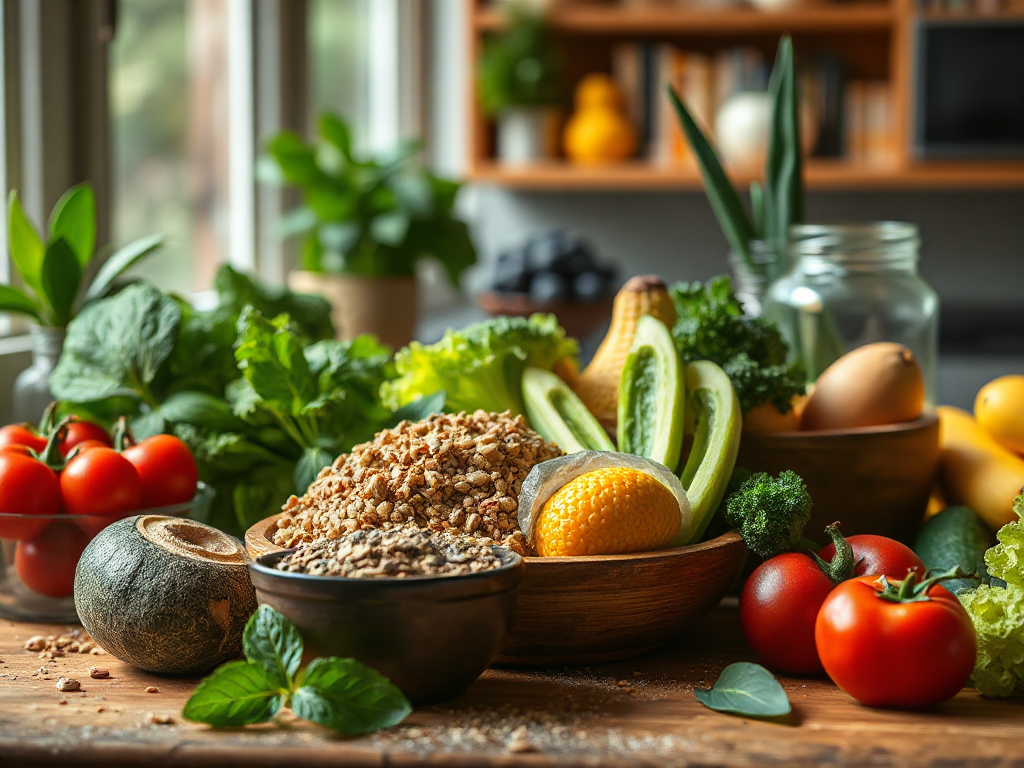
Common mistakes when selecting superfoods for detox often stem from misconceptions about their benefits and the lack of understanding of individual dietary needs. Many people overlook the importance of sourcing and quality, assuming all superfoods are equally beneficial. Additionally, failing to consider personal health conditions can lead to ineffective detox results. To maximize detox benefits, choose superfoods that align with your specific nutritional needs and ensure they are sustainably sourced and minimally processed.
Understanding Superfoods and Detoxification
Superfoods are nutrient-dense foods that are believed to provide health benefits beyond basic nutrition. detoxification, selecting the right superfoods can significantly enhance the body’s natural cleansing processes. However, common mistakes in choosing these foods can undermine their intended benefits. Understanding what qualifies as a superfood and how it aids detoxification is essential for making informed dietary choices.
Detoxification involves the body’s processes of eliminating toxins, which can be supported by certain superfoods rich in antioxidants, vitamins, and minerals. Foods like kale, spirulina, and chia seeds are often touted for their detoxifying properties. However, simply consuming these foods without considering their compatibility with your body can lead to disappointment.
Common Misconceptions About Superfoods
One major misconception is that all superfoods are inherently healthy and beneficial for detox. This oversimplification can lead to poor dietary choices. For instance, some individuals may gravitate toward trendy superfoods without understanding their effects on their unique health conditions. Foods like acai berries or goji berries have become popular, but they might not be suitable for everyone, especially those with specific allergies or dietary restrictions.
Another common error is assuming that the more superfoods one consumes, the better the detox results will be. Overloading on these foods can lead to digestive issues, such as bloating or discomfort. Instead, a balanced approach that incorporates a variety of superfoods in moderation is recommended.
The Importance of Quality and Sourcing
Not all superfoods are created equal; their quality can vary significantly based on sourcing and processing methods. Many consumers overlook the importance of where their superfoods come from. For example, organic superfoods are generally more nutrient-rich and free from harmful pesticides, making them a better choice for detoxification.
Additionally, processing methods can affect the nutrient content of superfoods. Foods that are heavily processed may lose many of their beneficial properties. It’s crucial to look for minimally processed options, such as whole foods or those that are freeze-dried, to ensure you’re getting the most out of your detox regimen.
Personalization in Superfood Selection
Choosing superfoods should be a personalized process that considers individual health needs, dietary restrictions, and lifestyle factors. What works for one person may not work for another, and ignoring personal health conditions can lead to ineffective detox outcomes. For instance, someone with a sensitive stomach may not tolerate certain raw superfoods well, while others might thrive on them.
To make informed choices, consider consulting with a nutritionist or healthcare provider who can help tailor your superfood selection to your specific detox goals and health profile. This personalized approach ensures that you maximize the benefits of superfoods while minimizing potential adverse effects.
Further Reading
Authoritative Sources
Related Content
- Hearts of Palm Nutrition and Fiber Content for Salads, Snacks, and Balanced Meals
- How to Evaluate If a Superfood Fits Your Lifestyle: Key Considerations and Practical Steps
- How to Effectively Integrate Superfoods into Family Diets: Practical Foods and Meal Strategies
- How to Assess the Effectiveness of Superfoods for Skin Health: Key Ingredients and Practical Evaluation Methods
- Why Whole Food Supplements Are Better Than Multivitamins