
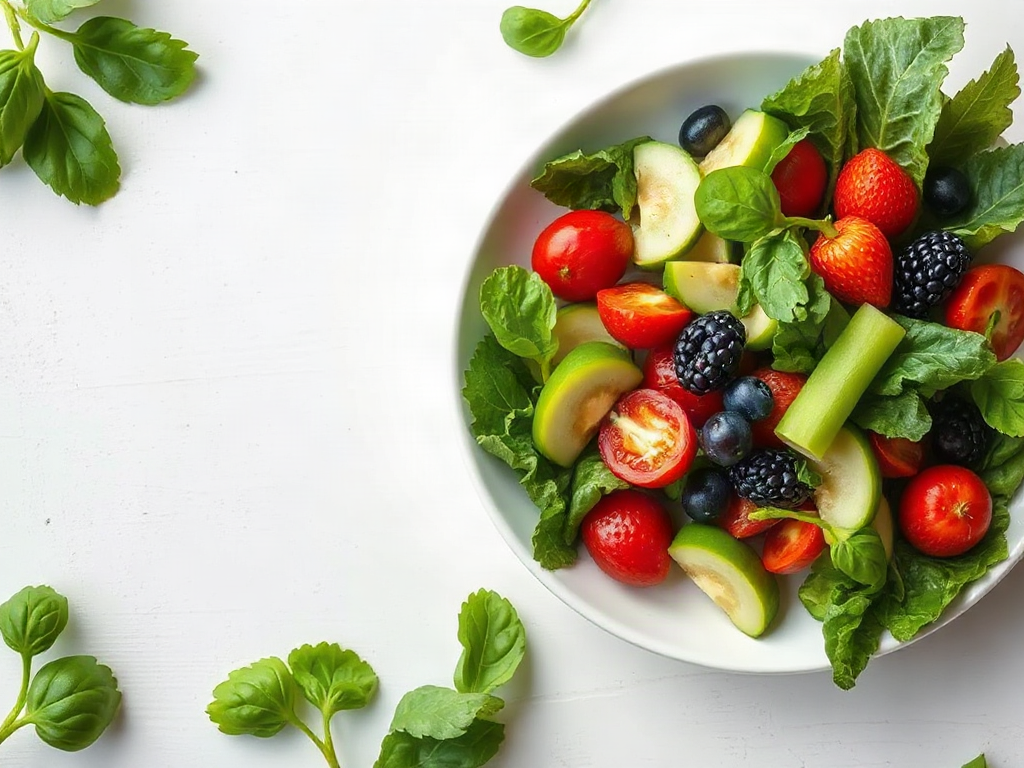
Green nutrition foods support practical meal balance when leafy vegetables, cruciferous vegetables, peas, herbs, and other green ingredients share the plate with protein, energy-rich carbohydrates, and healthy fats. A useful plate method assigns roughly half the meal to varied vegetables and fruit, one quarter to protein, and one quarter to grains or starchy vegetables, with portions adjusted for appetite and activity. Pairing greens with beans, eggs, fish, tofu, yogurt, nuts, or seeds makes meals more substantial, while oil-based dressings add flavor and help the body use fat-soluble nutrients. Relying on greens alone often produces a low-energy meal that does not stay satisfying.
What Counts as Green Nutrition?
Green nutrition covers more than salad leaves. Dark leafy vegetables such as spinach, kale, collards, and chard belong in the category, but so do broccoli, cabbage, bok choy, green beans, peas, asparagus, avocado, fresh herbs, and green fruit such as kiwi. These foods differ substantially in energy, fiber, protein, vitamins, minerals, and culinary use. Treating them as interchangeable hides the differences that matter when assembling a meal.
Leafy greens and broccoli provide substantial food volume for relatively little energy. They also contribute combinations of folate, vitamin C, vitamin K, carotenoids, fiber, and minerals, although the exact profile varies by food and preparation. Peas are starchier and supply more carbohydrate and protein than lettuce. Avocado is richer in fat and energy. Herbs may be eaten in smaller amounts, yet parsley, cilantro, basil, and mint can make beans, grains, eggs, and vegetables appealing without relying entirely on salt or sweet sauces.
Color is a useful shopping cue, not a complete nutrition standard. Iceberg lettuce offers crunch and hydration, while darker leaves generally provide a different and often denser mix of micronutrients. Neither needs to be labeled good or bad. A crisp lettuce may make a meal easier to enjoy, whereas kale may suit a soup or warm grain bowl. The smarter comparison asks what role each ingredient plays and what the rest of the meal supplies.
A common mistake is using the word “green” as a health halo. Green juice, sweetened smoothie products, vegetable chips, and powdered blends do not automatically provide the same fiber, texture, chewing, or fullness as intact produce. Processing is not inherently undesirable—frozen spinach and canned peas can be practical whole-food choices—but the ingredient list and serving context matter. A juice used as the vegetable portion of breakfast may leave out the protein and sustained energy that eggs, yogurt, oats, or nut butter could provide.
Prioritize a rotating mix rather than a single fashionable ingredient. One week might include frozen broccoli, romaine, peas, and parsley; another could use cabbage, spinach, green beans, and avocado. Rotation changes texture and nutrient exposure while reducing the chance that an expensive or highly perishable item becomes the weak point in an otherwise workable routine.
How Do You Build a Balanced Green Plate?
A balanced green plate combines produce with a meaningful protein source, an energy source, and enough fat or sauce to make the meal satisfying. The familiar half-vegetable, quarter-protein, quarter-starch arrangement is a visual starting point rather than a rigid prescription. Appetite, body size, activity, culture, medical needs, and the number of daily meals can all justify different proportions.
Start by deciding which green food fits the dish. Raw spinach may work in a sandwich, roasted broccoli can anchor a sheet-pan dinner, and chopped cabbage holds its texture in a packed lunch. Next, add protein rather than assuming the vegetable provides enough. Beans, lentils, tofu, tempeh, eggs, fish, poultry, plain yogurt, cottage cheese, and combinations of grains and legumes offer different whole-food options. Finish with potatoes, brown rice, oats, corn, quinoa, whole-grain bread, fruit, or another carbohydrate source appropriate to the meal.
| Meal component | Practical options | What to check |
|---|---|---|
| Green produce | Broccoli, spinach, cabbage, peas, green beans | Include enough volume to be a real part of the meal |
| Protein | Beans, tofu, eggs, fish, poultry, yogurt | Choose a distinct serving, not a garnish-sized amount |
| Energy-rich carbohydrate | Potatoes, whole grains, corn, fruit | Adjust to hunger, activity, and meal timing |
| Flavor and fat | Olive oil, tahini, avocado, nuts, seeds | Use enough for palatability while noticing portions |
Consider a lunch built from romaine, cucumber, and herbs. Those ingredients create freshness but may not carry someone through an afternoon. Adding chickpeas, whole-grain pita, and tahini turns the same vegetables into a more complete meal. For dinner, broccoli with brown rice is still light on protein until tofu, salmon, chicken, lentils, or another substantial option is included. The practical test is whether every major function—produce, protein, energy, and flavor—is visibly represented.
Balance also applies across the day. Breakfast does not have to be green if lunch and dinner contain generous vegetables, and every plate need not match a diagram precisely. A vegetable-heavy soup with beans and potatoes may combine all components in one bowl. Conversely, a large salad can remain nutritionally incomplete if it consists mainly of leaves and low-energy vegetables. Use the plate method to reveal omissions, not to enforce visual perfection.
What Makes a Green Meal Filling?
Fullness depends on more than vegetable volume. Fiber and water can create immediate bulk, but protein, carbohydrate, fat, total energy, texture, and eating pace influence how long a meal feels adequate. Someone who repeatedly becomes hungry soon after a green meal should examine what accompanies the greens rather than simply increasing the salad size.
Protein is often the first missing element. A few seeds scattered over lettuce contribute taste and texture, but they may not function like a full serving of beans, tofu, eggs, fish, poultry, or a suitable dairy food. Carbohydrate is another frequent omission, particularly when people equate meal balance with minimizing starch. Potatoes, grains, corn, beans, and fruit provide usable energy; active people or those facing a long interval before the next meal may need more than a token portion.
Fat has a smaller physical volume but an important culinary role. Olive oil, tahini, nuts, seeds, avocado, dairy, eggs, and oily fish can make vegetables taste richer and help meals remain satisfying. Dietary fat also assists the absorption of fat-soluble compounds, including carotenoids found in several green vegetables. More is not automatically better, especially when sauces are energy-dense, but eliminating fat can make a meal less enjoyable and harder to sustain.
A useful troubleshooting sequence is:
- Check protein: Is there a recognizable main source rather than a light topping?
- Check energy: Does the meal contain enough grain, starchy vegetable, legumes, fruit, or other carbohydrate for the situation?
- Check fat and flavor: Is there a dressing, sauce, avocado, nuts, seeds, or another satisfying addition?
- Check timing: Is the meal expected to last two hours or six?
Signs that the structure is working include comfortable fullness, steady energy for the planned interval, and less need to forage shortly afterward. Signs of failure include persistent hunger, fatigue, an urge to compensate with unplanned snacks, or avoidance because the meal feels monotonous. These responses do not diagnose a nutritional problem, but they provide useful feedback for changing portions and combinations.
Individual constraints deserve attention. People with digestive conditions may tolerate cooked greens better than a large raw salad. Those managing kidney disease, taking medicines affected by vitamin K intake, or following a clinically prescribed diet should seek individualized guidance rather than making abrupt changes based on general plate advice. Green foods are meal ingredients, not treatments, and variety should be adapted to medical needs.
Preparation, Variety, and Budget Choices
Preparation determines whether green foods become routine or spoil in the refrigerator. Fresh produce offers texture and culinary range, but frozen and canned options frequently reduce waste, preparation time, and cost. Frozen broccoli, spinach, peas, and green beans can move directly into soups, stir-fries, pasta, eggs, or grain bowls. Canned green beans and peas are convenient when storage or cooking equipment is limited; draining or rinsing can reduce some of the surface sodium when that is a concern.
Cooking changes foods rather than simply making them better or worse. Heat can reduce some heat-sensitive vitamins, while softening plant tissues may make certain compounds more available and allows a larger amount of greens to fit into a serving. Raw cabbage provides crunch; braised cabbage offers a softer texture and different flavor. Steamed broccoli, roasted broccoli, and broccoli blended into soup remain useful choices. Alternating methods is more practical than trying to identify one universally superior preparation.
For a realistic week, choose foods by durability. Cabbage, frozen vegetables, and sturdy greens generally offer more scheduling flexibility than delicate salad leaves. Use tender produce early, reserve frozen items for busy evenings, and keep herbs in meals where their flavor has a clear job. A budget-friendly pattern might pair cabbage with black beans and corn, frozen spinach with eggs and potatoes, and peas with brown rice and lentils. None requires a premium “superfood” product.
Batch preparation works best when ingredients remain adaptable. Wash sturdy leaves, roast a tray of broccoli, cook a pot of grain, and prepare beans or another protein. Those components can become a bowl with tahini, a warm side dish with eggs, or a soup enriched with legumes. Fully assembling several identical salads may save time initially but can produce soggy textures and menu fatigue. Storing dressings separately and changing sauces preserves variety without multiplying the workload.
The biggest purchasing error is buying according to aspiration rather than the week’s actual schedule. Before shopping, check how many meals will be eaten at home, which greens need immediate use, and whether there is a protein and starch available for each planned dish. A compact priority list keeps the plan functional:
- Buy one quick-use fresh green for the next two days.
- Add one durable option such as cabbage or broccoli.
- Keep one frozen green as a no-waste backup.
- Match each choice with at least one protein and one energy source.
A successful approach is visible in low spoilage, repeatable preparation, and meals that remain appealing. If greens routinely wilt unused, reduce the number of fresh varieties and shift part of the purchase to frozen produce. If every meal tastes alike, change the cooking method or flavor profile before buying new supplements or specialty powders.
Conclusion
Effective meal balance comes from giving green foods a defined role instead of expecting them to carry the whole plate. Select a green vegetable that suits the dish, add a clear protein source, include enough carbohydrate for the day’s demands, and use an appropriate fat or sauce for flavor and satisfaction. Fresh produce is valuable when it will be used, while frozen and canned choices can make the pattern more affordable and dependable.
For the next grocery cycle, plan three green ingredients rather than an oversized assortment: one tender fresh option, one durable vegetable, and one frozen backup. Match each with foods already available for protein and energy. Then use hunger, energy, enjoyment, and food waste as practical feedback. Adjusting those signals is more useful than pursuing a perfect plate or relying on a single green product.
Frequently Asked Questions
Do green vegetables provide enough protein for a meal?
Most non-starchy green vegetables provide some protein but usually not enough to serve as the meal’s main source. Add beans, lentils, tofu, eggs, fish, poultry, yogurt, or another substantial protein food.
Are frozen green vegetables as useful as fresh ones?
Frozen vegetables are practical, minimally wasteful options and can contribute valuable nutrients and fiber. Choose fresh for specific textures and frozen for storage, speed, or budget; both can fit a balanced pattern.
Should every meal contain a green food?
No single color must appear at every meal. Aim for varied produce across the day and week, using green foods alongside red, orange, purple, white, and other plant foods.
Is a green smoothie a balanced breakfast?
It depends on the ingredients. Fruit and spinach alone may be low in protein and staying power; yogurt, milk, soy beverage, nut butter, seeds, or oats can make the smoothie more substantial.
How can I make leafy greens easier to digest?
Try smaller portions, remove tough stems, chop leaves finely, or cook them until tender. Persistent digestive symptoms or restrictions warrant advice from a qualified healthcare professional.