
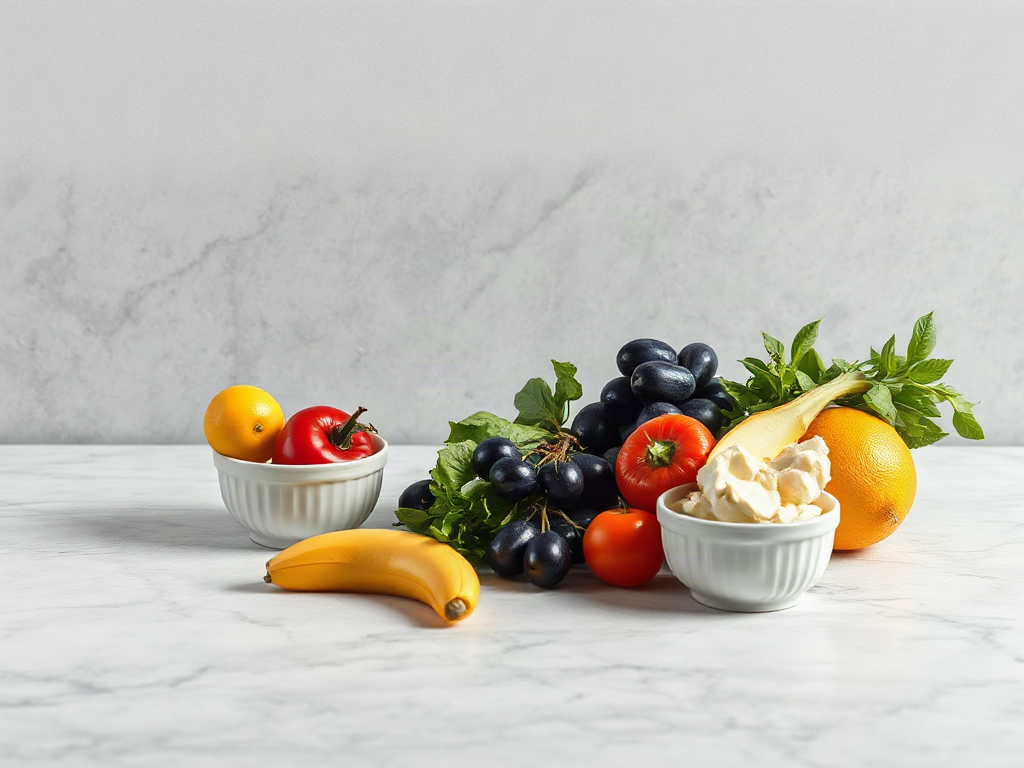
Plant food choices for better dietary variety work best when meals rotate among vegetables, fruits, legumes, whole grains, nuts, and seeds rather than relying on a few familiar ingredients. Choose across botanical families, colors, textures, and forms because each combination supplies a different mix of fiber, minerals, vitamins, and plant compounds. Keep the approach practical by changing one component at a time, such as the bean in a soup or the grain beneath a vegetable bowl. Count frozen and canned options alongside fresh produce, while checking added sodium and sugar.
What Counts as Meaningful Plant Variety?
Meaningful variety comes from eating across several plant groups, not simply buying different versions of the same ingredient. Romaine, iceberg, and butter lettuce provide useful differences in flavor and texture, but they do not broaden a menu as much as combining leafy greens with lentils, oats, berries, pumpkin seeds, and roasted root vegetables. The second pattern spans more botanical families and introduces a wider range of fibers, micronutrients, and plant compounds.
Color is a convenient shopping cue, but it is an incomplete measure. Orange squash and carrots share some characteristics, while white beans, mushrooms, cauliflower, garlic, and onions contribute valuable nutrients despite their pale appearance. A colorful plate can still be repetitive if the same tomatoes, spinach, and peppers appear every day. Conversely, a beige-looking bowl containing barley, chickpeas, mushrooms, tahini, and onions may represent several distinct plant sources.
Preparation does not create a new plant, although it can make an ingredient easier to use. Fresh tomatoes, canned tomatoes, and tomato paste all count as tomato. They differ in water content, concentration, texture, and culinary role, but counting them as three unrelated plants exaggerates variety. The same principle applies to oats served as porridge, granola, and oat flour. Processing form matters for fullness, convenience, and added ingredients; it does not change botanical identity.
A useful way to assess a normal week is to review broad categories rather than chase a rigid plant count:
- Vegetables: leafy, cruciferous, root, squash, allium, and other types.
- Fruits: berries, citrus, orchard fruit, tropical fruit, and melons.
- Legumes: beans, lentils, peas, chickpeas, soy foods, and peanuts.
- Whole grains: oats, brown rice, barley, corn, quinoa, buckwheat, and whole wheat.
- Nuts and seeds: walnuts, almonds, sunflower seeds, sesame, chia, and flax.
The common mistake is treating novelty as the goal. An unfamiliar powder or costly imported fruit is not automatically more useful than an ordinary lentil, cabbage, or apple. Begin with recognizable foods that fit actual meals. Variety is working when the grocery basket changes gradually, several plant groups appear regularly, and ingredients are eaten before they spoil.
How Can You Build Variety Across the Week?
Weekly rotation is usually more practical than forcing maximum diversity into every plate. A single dinner does not need to contain every plant category. Breakfast, lunch, dinner, and snacks can distribute them across several days, allowing each meal to remain coherent and satisfying.
Start with meals already in regular use and replace one plant component. Oatmeal might feature pear and walnuts one day, berries and pumpkin seeds another, and apple with ground flax later in the week. A grain bowl can alternate brown rice, barley, and quinoa while rotating chickpeas, black beans, and baked tofu. The meal format stays familiar, so the change does not demand a new recipe or set of cooking skills.
A compact rotation method keeps shopping manageable:
- Keep two dependable staples. Choose ingredients such as oats and lentils that are inexpensive, familiar, and easy to prepare.
- Add two rotating produce choices. Select what is seasonal, affordable, or already available frozen.
- Change one legume or whole grain. Replace rather than continually adding, which limits cost and pantry clutter.
- Use one nut or seed in small portions. Sprinkle it onto breakfast, salads, or cooked vegetables.
- Review waste before buying more. Repeat ingredients that were used and reduce quantities of those left uneaten.
Meal overlap is useful when it is deliberate. A tray of roasted broccoli, carrots, and onions can accompany lentils on Monday and fill a whole-grain wrap on Tuesday. That is not failed variety; it is efficient preparation. The next cooking cycle can use cabbage, mushrooms, and sweet potato. Changing the supporting ingredients over time matters more than producing a completely different menu every day.
Signs that the method is working include fewer abandoned purchases, a growing set of acceptable recipes, and regular use of legumes, grains, produce, nuts, or seeds. Warning signs include buying aspirational ingredients without a meal plan, adding many foods so quickly that digestion becomes uncomfortable, or using sauces and toppings to disguise ingredients nobody enjoys. When a new choice fails, test a smaller amount or a different preparation before deciding it has no place in the rotation. Roasted cauliflower, for example, has a different texture and flavor from boiled cauliflower.
Balancing Variety With Nutritional Adequacy
Dietary diversity does not automatically ensure nutritional adequacy. A menu can contain many fruits and vegetables yet provide too little energy or protein for a person’s needs. Variety should sit within an eating pattern that includes substantial foods such as beans, lentils, soy foods, whole grains, nuts, and seeds, not only low-energy produce.
Protein quality and quantity deserve attention when most or all foods are plant-based. Combining foods does not require precise pairing at every meal, but eating several protein sources over the day is more useful than relying on one small serving. Lentil soup with whole-grain bread, tofu with rice and vegetables, or bean chili topped with pumpkin seeds combines variety with a more substantial meal. People with higher energy needs may also need larger portions or energy-dense additions such as nut butter, tahini, avocado, or olive oil.
Some nutrients require more deliberate planning. Vitamin B12 is not reliably supplied by unfortified plant foods, so people following a fully vegan pattern generally need an appropriate fortified source or supplement plan discussed with a qualified healthcare professional. Iron is present in lentils, beans, tofu, seeds, and fortified grains; serving these with vitamin C-rich produce such as peppers, citrus, or broccoli is a practical meal pattern. Calcium sources may include calcium-set tofu and fortified plant beverages, but labels should be checked because products differ.
Whole foods and processed foods are not opposing categories in every decision. Frozen vegetables, canned beans, whole-grain pasta, tofu, and unsweetened fortified soy milk can make a varied menu feasible. They differ from products built mainly from refined starches, added sugars, salt, or isolated ingredients. A plant-based label alone does not reveal fiber content, protein, sodium, or overall usefulness in a meal.
Digestive tolerance is another constraint. Rapidly increasing beans, intact grains, seeds, and fibrous vegetables may cause bloating or altered bowel habits for some people. Smaller portions, gradual increases, adequate fluid, thorough cooking, and rinsing canned legumes may be easier to manage. Anyone with diagnosed gastrointestinal disease, food allergy, swallowing difficulty, kidney disease, or another condition requiring dietary restrictions should seek individualized advice rather than pursuing variety through foods that conflict with clinical needs.
The misleading assumption is that more different plants must always be better. A varied pattern still needs suitable portions, tolerated ingredients, safe preparation, and enough nourishment. The useful target is sustainable breadth, not an escalating score.

How Do You Make Varied Choices Affordable and Practical?
Affordable variety depends on mixing shelf-stable staples with a limited number of perishable foods. Dried or canned legumes, oats, brown rice, whole-grain pasta, peanut butter, and seeds provide a stable base. Frozen vegetables and fruit reduce pressure to use everything within a few days, while fresh produce can be reserved for items where crispness or ripeness matters most.
Buying every ingredient fresh often looks ideal but can raise both cost and waste. Frozen spinach works well in soups, curries, and egg or tofu dishes; canned tomatoes suit sauces; canned chickpeas can become a quick lunch. Fresh greens may be preferable for salads, but they are a poor bargain if half the package is discarded. Choose form according to the intended dish rather than assuming fresh is nutritionally or practically superior in every situation.
Unit price also needs context. A large bag is economical only when it can be stored and finished. Nuts and seeds are nutrient-dense but can be expensive, so use them as modest additions rather than the main source of meal volume. Cabbage, carrots, onions, oats, lentils, and seasonal fruit often stretch across several servings. Store-brand frozen produce and low-sodium canned beans may offer more usable variety than a collection of specialty products.
A realistic shopping check can prevent both monotony and overbuying:
- Which vegetables and fruits are already at home and need using first?
- Is there at least one legume and one whole grain available for substantial meals?
- Can each new perishable ingredient fit into two planned dishes?
- Would a frozen or canned version reduce waste without compromising the recipe?
- Does the cart contain genuinely different plants, or multiple forms of the same few foods?
For example, a household with limited cooking time might prepare lentil-tomato soup, use frozen mixed vegetables with tofu and rice, and serve oats with frozen berries and peanut butter. The following week, chickpeas can replace lentils, barley can replace rice, and apples can replace berries. That modest rotation broadens the pattern without requiring a new pantry or daily cooking.
The approach is failing when grocery costs rise, leftovers accumulate, or specialty ingredients displace satisfying staples. Correct by reducing the number of new purchases and selecting one change per category. Dietary variety becomes durable when it respects budget, storage, cooking time, culture, and taste—not when it turns ordinary eating into a collection challenge.
Conclusion
Better dietary variety is built through steady rotation, not an expensive search for unusual ingredients. Review the plants already eaten, identify an underused category, and change one component in a familiar meal. Legumes and whole grains can make meals substantial; produce contributes different flavors, textures, fibers, vitamins, and plant compounds; nuts and seeds add concentrated nutrition in modest portions.
Plan across a week rather than demanding maximum diversity from every plate. Fresh, frozen, canned, and dried choices all have practical roles when labels, preparation, storage, and waste are considered. Keep nutritional adequacy separate from plant counting, particularly when eating fully plant-based or managing a health condition. The next useful step is simple: choose one new legume, grain, or produce item that fits two planned meals, then assess cost, enjoyment, tolerance, and leftovers before expanding further.
Frequently Asked Questions
Do different colors of the same vegetable count as variety?
They can offer modest differences, but they still represent closely related choices. Combine color variation with different plant groups, such as legumes, whole grains, fruit, nuts, and seeds.
Are frozen and canned plants as useful as fresh choices?
Yes, they can add practical variety and reduce waste. Choose options that fit the dish, and compare labels for added sodium, syrups, sugar, or rich sauces.
Should every meal contain several different plants?
No. Variety can accumulate across the day and week. A simple meal is compatible with a diverse pattern when other meals rotate among different plant categories.
How can someone increase beans without digestive discomfort?
Begin with a small portion, increase gradually, cook legumes thoroughly, and rinse canned beans. Persistent or severe symptoms warrant advice from a qualified healthcare professional.
Do herbs and spices contribute to dietary variety?
They contribute additional plant ingredients and make repeated staples more appealing, but their small portions should not replace substantial vegetables, fruits, legumes, grains, nuts, or seeds.