How Does Whole Food Nutrition Compare To Processed Foods?
Quick Take: Whole food nutrition emphasizes consuming unprocessed or minimally processed foods, which retain their natural nutrients, fiber, and antioxidants. […]

Quick Take: Whole food nutrition emphasizes consuming unprocessed or minimally processed foods, which retain their natural nutrients, fiber, and antioxidants. […]
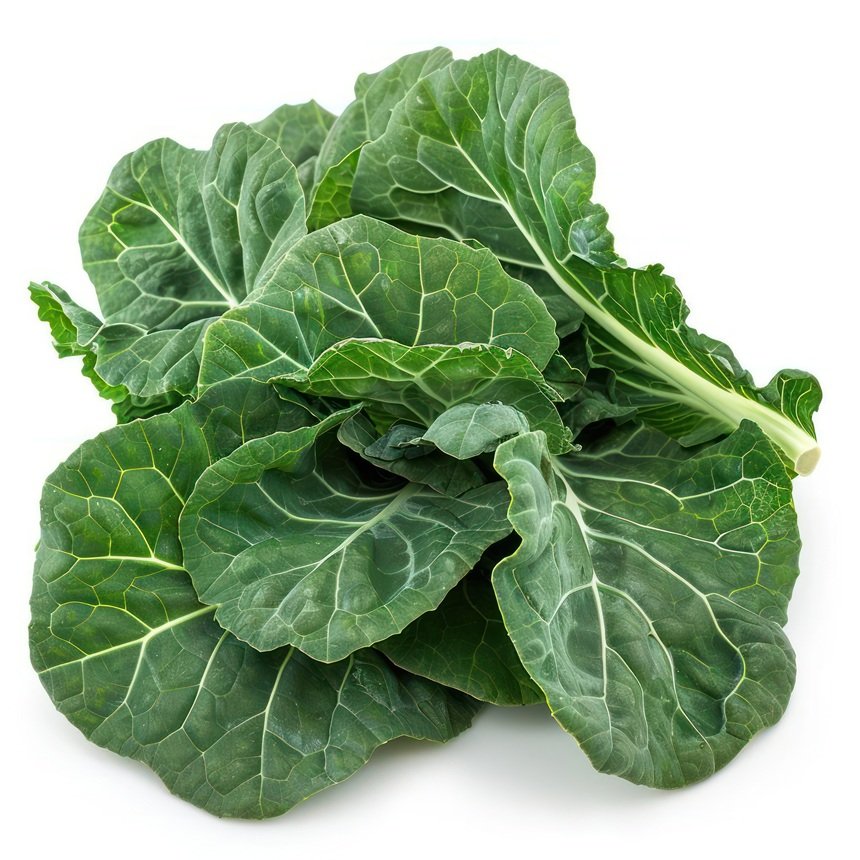
Quick Summary: Different superfoods vary significantly in nutritional value, each offering unique benefits. For instance, kale is rich in vitamins
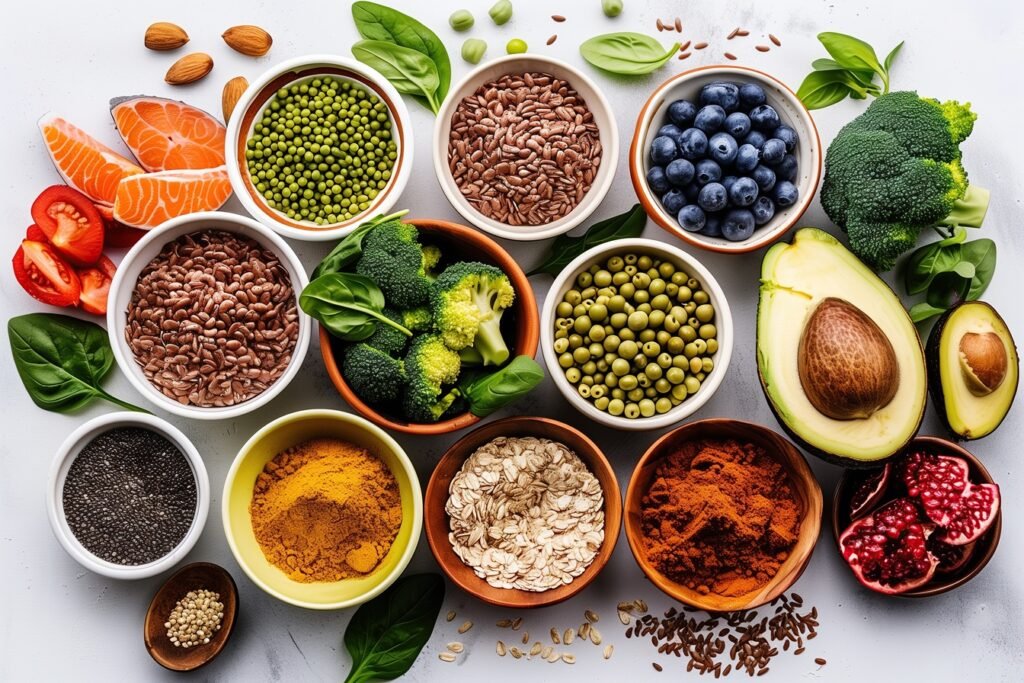
Key Takeaway: To incorporate whole food nutrition into your diet, focus on consuming unprocessed foods such as fruits, vegetables, whole
Quick Take: Superfood nutrition refers to foods that are exceptionally rich in nutrients and beneficial compounds, such as antioxidants, vitamins,

Instant Answer: Top superfoods to include in your diet are blueberries, kale, quinoa, and salmon. Blueberries are rich in antioxidants,

Instant Answer: Signs of nutrient deficiencies on a whole food diet can include fatigue, hair loss, brittle nails, and skin
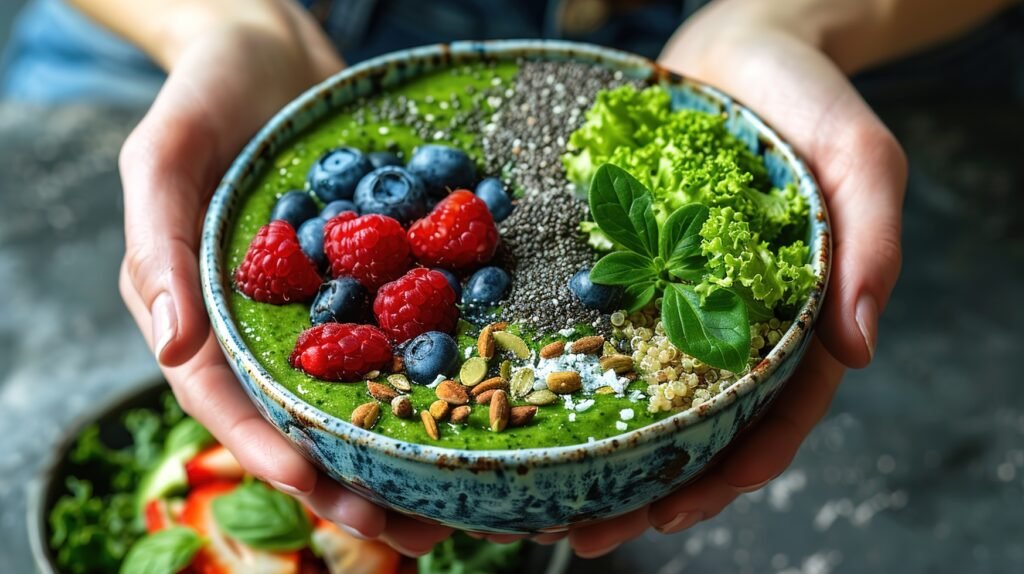
Instant Answer: To compare different whole food diets, start by examining their core principles, such as the types of foods
Instant Answer: The best whole foods for beginners include fruits like apples and bananas, which are easy to eat and

Instant Answer: Advanced techniques in whole food nutrition include optimizing nutrient absorption through food pairing, such as combining vitamin C-rich

Instant Answer: To troubleshoot digestive issues on a whole food diet, start by keeping a food diary to identify potential