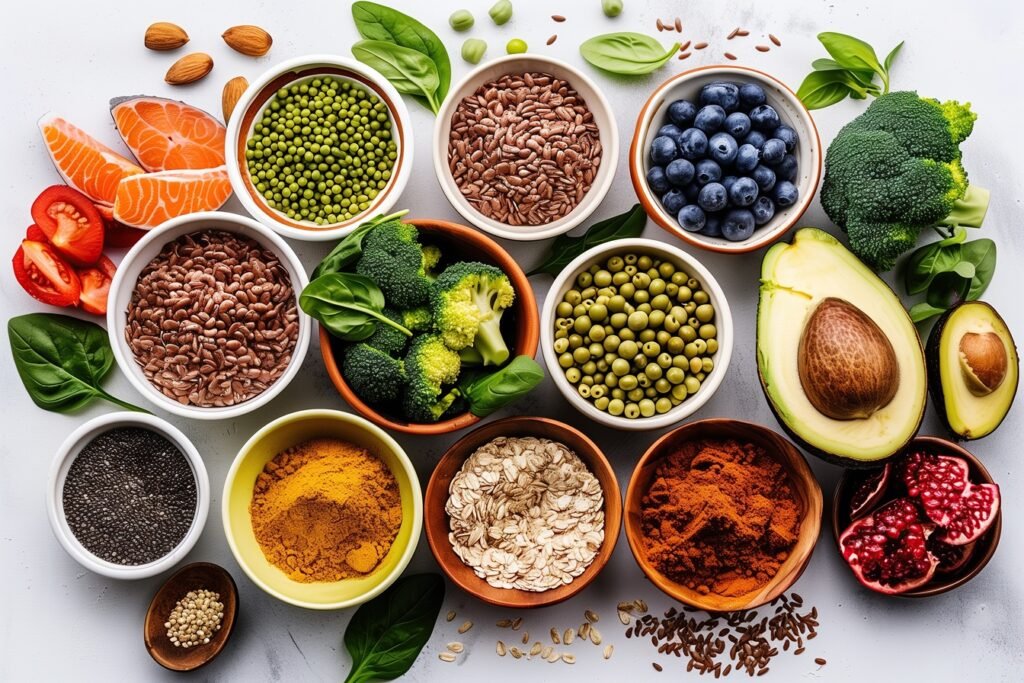
The best time of day to eat superfoods for benefits generally aligns with your body’s natural rhythms. Consuming them in the morning can boost energy levels and metabolism, while having them in the afternoon may enhance focus and productivity.
Eating superfoods at strategic times can maximize their health benefits. For instance, starting the day with nutrient-dense options like chia seeds or berries can provide a powerful energy boost, setting a positive tone for the day. Conversely, consuming certain superfoods later in the day can support recovery and help manage cravings, which is particularly useful for those looking to maintain a balanced diet.
Many people overlook the importance of timing when it comes to superfoods. For example, while some may assume that any time is optimal for nutrient intake, the body’s ability to absorb certain nutrients varies throughout the day. Understanding your own body’s needs, such as energy dips and peaks, is crucial for making the most of these powerful foods.
Morning Superfoods: Kickstart Your Day
Eating superfoods in the morning can significantly enhance your energy levels and metabolic rate. Foods like oatmeal, spinach, and berries are ideal breakfast options that provide essential nutrients and fiber.
Starting your day with superfoods can help stabilize blood sugar levels, reduce cravings, and improve overall mood. For example, consuming a smoothie with spinach and fruits can offer a quick nutrient boost and keep you satiated until your next meal.
However, it’s important to select superfoods that work for your specific dietary needs. Not everyone may respond well to high-sugar fruits in the morning, particularly those managing blood sugar levels. Focus on high-fiber options that provide sustained energy.
Afternoon Superfoods: Fueling Productivity
In the afternoon, consuming superfoods can help combat the post-lunch slump and keep you focused. Foods such as nuts, seeds, and dark chocolate can provide a quick energy boost without causing a crash.
Incorporating superfoods into your afternoon snack can enhance cognitive function. For instance, a handful of walnuts or a small portion of dark chocolate can improve brain health and concentration, making them excellent choices for the workday.
Yet, it’s crucial to be mindful of portion sizes. Overindulging in even healthy snacks can lead to excess calorie intake, which may counteract the benefits of consuming superfoods.
Evening Superfoods: Supporting Recovery
Eating superfoods in the evening can aid in recovery and prepare your body for restful sleep. Foods like sweet potatoes, salmon, and herbal teas are beneficial as they contain nutrients that promote relaxation and recovery.
For example, consuming a meal rich in omega-3 fatty acids, such as salmon, can help reduce inflammation and support muscle recovery after a workout. Herbal teas, such as chamomile or peppermint, can also soothe the digestive system before bed.
However, avoid consuming high-sugar or overly stimulating superfoods late in the evening, as these can disrupt sleep patterns and lead to restlessness. Focus on more calming options to ensure a good night’s rest.
Common Mistakes in Timing Superfoods
One common mistake is consuming superfoods without considering individual health goals or dietary needs. For instance, not all superfoods are suitable for everyone, and timing can greatly influence their effectiveness.

Another mistake is overlooking the digestion time of certain foods. For example, while smoothies are popular for breakfast, they may not keep everyone full until lunch, leading to mid-morning snacking. Understanding how your body reacts to different foods at various times can help optimize your superfood intake.
Prioritizing whole foods over processed superfood products is also essential. Many packaged options contain added sugars or fillers that can negate the health benefits you seek. Always opt for natural sources whenever possible.
Further Reading
For those interested in learning more about the optimal timing of superfoods, consider the following resources that provide valuable insights into nutrition science and meal planning.
Authoritative Sources
- National Institutes of Health
ncbi.nlm.nih.govThis source offers extensive research on nutrition and the timing of food intake
- Healthline
healthline.comHealthline provides articles on nutrition, including the benefits of various superfoods
- Academy of Nutrition and Dietetics
eatright.orgA reputable source for professional advice on nutrition and meal timing
Frequently Asked Questions
What are superfoods?
Superfoods are nutrient-dense foods that provide health benefits, including antioxidants, vitamins, and minerals, often with minimal calories.
Can I eat superfoods at any time of day?
While you can eat superfoods at any time, their benefits may be maximized when consumed at specific times aligned with your body’s needs.
Are there any superfoods I should avoid in the evening?
Yes, high-sugar or caffeinated superfoods should generally be avoided in the evening as they can disrupt sleep.
How can I incorporate superfoods into my diet?
You can add superfoods to smoothies, salads, or as snacks, focusing on variety to maximize their benefits.
What is the best superfood for energy?
Foods like chia seeds, quinoa, and berries are excellent choices for boosting energy levels throughout the day.
Conclusion
Understanding the best time of day to eat superfoods can significantly enhance their benefits. By aligning your superfood intake with your body’s natural rhythms, you can optimize energy levels, enhance focus, and support recovery. Prioritize whole, nutrient-dense options and be mindful of how your body responds to different foods at varying times. This approach will not only help you achieve your health goals but also ensure that you get the most out of these powerful foods.