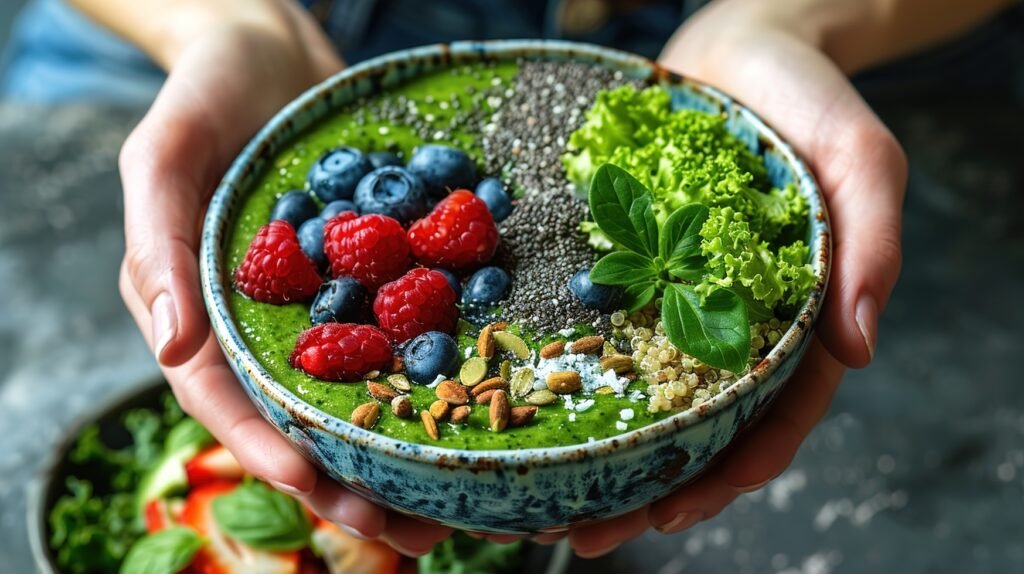
Superfoods can significantly enhance nutrient absorption from other foods by supplying essential compounds that improve the bioavailability of various nutrients. For example, vitamin C-rich foods like citrus fruits can increase the absorption of non-heme iron from plant sources, while healthy fats from avocados or nuts can aid in the absorption of fat-soluble vitamins such as A, D, E, and K.
To effectively utilize superfoods for improved nutrient absorption, it’s important to consider meal combinations and timing. For instance, pairing leafy greens with a source of healthy fat can enhance the absorption of fat-soluble vitamins. Additionally, consuming fermented superfoods like kimchi or yogurt can improve gut health, which plays a crucial role in nutrient absorption. However, individuals should also be aware of potential pitfalls, such as relying solely on superfoods while neglecting the diversity of their diet.
A common mistake is underestimating the importance of whole food combinations. While superfoods are beneficial, they should complement a balanced diet rich in various food groups. For example, a meal featuring whole grains, lean proteins, and colorful vegetables can provide a broader spectrum of nutrients. Furthermore, understanding the timing of food intake can also influence absorption; consuming certain superfoods shortly before or after meals can maximize their benefits.
Key Nutrients in Superfoods
Superfoods are often rich in specific nutrients that can enhance absorption. For example, foods high in vitamin C, such as berries and citrus fruits, help increase the absorption of iron from plant sources. Similarly, omega-3 fatty acids found in chia seeds and flaxseeds can facilitate the absorption of fat-soluble vitamins. Understanding these nutrient interactions is vital for maximizing dietary benefits.
Incorporating these nutrient-dense superfoods into your meals can significantly influence overall health. For instance, adding a handful of spinach to a smoothie or pairing sweet potatoes with a dollop of avocado can enhance the absorption of vitamins and minerals. However, it’s crucial to maintain a balanced intake of various food types to ensure comprehensive nutrient absorption.
Readers should prioritize foods that not only provide essential nutrients but also work synergistically. For example, adding nuts to a salad not only provides healthy fats but also increases the absorption of vitamins from the vegetables. This approach encourages a more holistic view of nutrition rather than focusing solely on individual superfoods.
How to Pair Foods for Optimal Absorption
Pairing foods strategically can enhance nutrient absorption. For instance, consuming foods rich in vitamin C alongside iron-rich foods can significantly boost iron absorption. A salad with citrus dressing and chickpeas serves as an excellent example of this principle in action.
To maximize nutrient absorption, consider the following combinations: pair leafy greens with healthy fats like olive oil or nuts, combine legumes with whole grains, and include fermented foods with meals to promote gut health. These combinations not only improve absorption but also contribute to a more pleasurable eating experience.
It’s also important to note the timing of these pairings. Consuming certain combinations shortly before or after meals can create an environment conducive to nutrient absorption. For example, having a smoothie made with spinach and orange juice can be a great post-workout recovery drink.
Common Mistakes to Avoid
One common mistake is assuming that consuming superfoods alone will guarantee optimal nutrient absorption. While they are beneficial, they should be part of a diverse diet that includes various food groups. Additionally, over-relying on supplements instead of whole foods can lead to nutrient imbalances.
Another pitfall is neglecting food preparation methods. Cooking certain vegetables can enhance the availability of some nutrients, while others may be diminished through excessive cooking. For example, lightly steaming broccoli can make its nutrients more accessible, while boiling it for too long can lead to nutrient loss.
To avoid these mistakes, prioritize whole foods and be mindful of preparation methods. Incorporating a variety of food types not only ensures a balanced diet but also maximizes nutrient absorption for better health outcomes.
Further Reading
For those looking to deepen their understanding of how superfoods can enhance nutrient absorption, consider exploring resources from reputable nutritionists and dietetic associations. These sources can provide valuable insights into the latest research and practical applications for improving dietary habits.
Further Reading
Authoritative Sources
- MedlinePlus
medlineplus.govConsumer-friendly medical and health information from the U.S. National Library of Medicine.
- National Institutes of Health
nih.govResearch-based health information and links to authoritative medical resources.
- Centers for Disease Control and Prevention
cdc.govOfficial public health guidance, prevention resources, and topic-specific recommendations.
- Mayo Clinic
mayoclinic.orgTrusted clinical guidance, symptom explainers, and treatment overviews.
- World Health Organization
who.intGlobal health guidance, fact sheets, and evidence-based public health information.
Frequently Asked Questions
What are superfoods?
Superfoods are nutrient-rich foods considered to be especially beneficial for health and well-being, often containing high levels of vitamins, minerals, and antioxidants.
How do superfoods improve nutrient absorption?
Superfoods can enhance nutrient absorption by providing essential compounds that improve the bioavailability of nutrients, such as vitamins and minerals, when consumed together.
Can I rely solely on superfoods for my nutrition?
No, relying solely on superfoods may lead to nutrient imbalances. A varied diet incorporating different food groups is essential for overall health.
Are there specific food pairings that enhance absorption?
Yes, pairing vitamin C-rich foods with iron-rich foods, or healthy fats with fat-soluble vitamins, can significantly enhance nutrient absorption.
How can cooking methods affect nutrient absorption?
Cooking methods can impact nutrient availability; for example, steaming vegetables can preserve nutrients better than boiling, which can lead to nutrient loss.
Conclusion
Incorporating superfoods into your diet can significantly enhance nutrient absorption, but it is essential to maintain a balanced and diverse diet. Focus on strategic food pairings that maximize the bioavailability of nutrients, and be mindful of cooking methods that preserve their integrity. By avoiding common pitfalls and prioritizing whole foods, you can effectively improve your nutritional intake and overall health.