
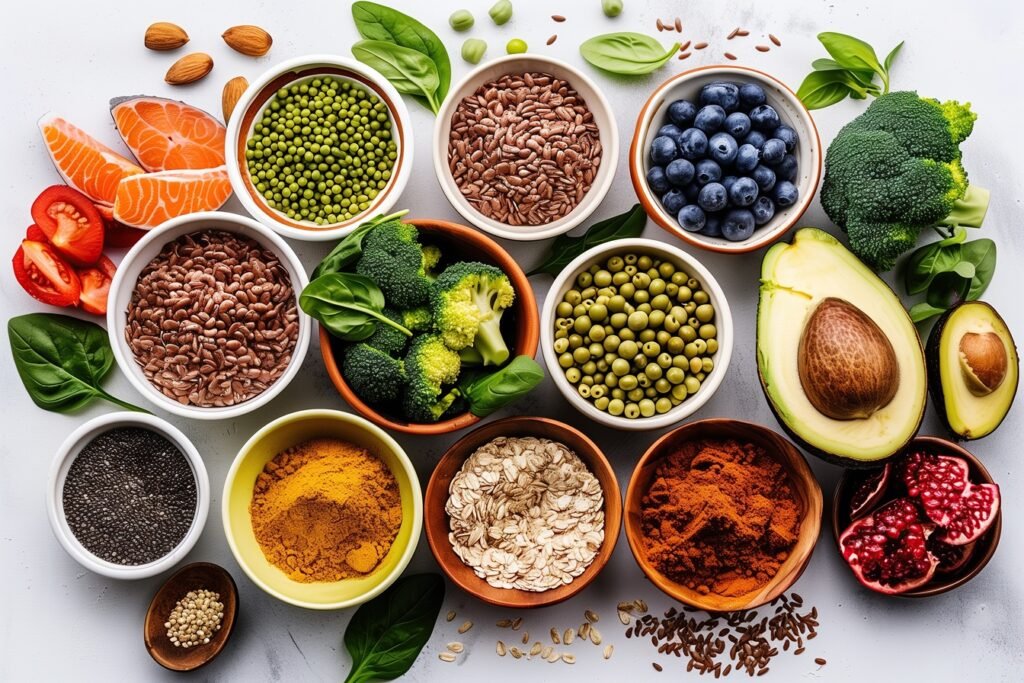
One major mistake is believing that superfoods alone can transform your health without considering the overall quality of your diet. Superfoods like acai berries, chia seeds, and kale are certainly nutrient-dense, but they should complement a variety of other foods. A diverse diet rich in whole foods is vital for overall health. Neglecting this balance can lead to deficiencies in other essential nutrients, which can counteract the positive effects of superfoods.
Another common error is ignoring personal dietary needs. What works for one person may not work for another due to allergies, intolerances, or specific health conditions. Therefore, it’s essential to tailor your superfood choices to fit your unique dietary profile. For instance, someone with a soy allergy should avoid edamame-based superfoods, while someone on a low-sugar diet might need to limit fruit-based options.
Overestimating Superfoods
Many individuals believe that simply adding superfoods to their diet will lead to significant health improvements. This misconception can result in disappointment when the expected benefits do not materialize. Superfoods are indeed rich in nutrients, but they are not a cure-all. Relying too heavily on them can lead to neglecting other essential food groups.
To avoid this mistake, it’s essential to recognize that superfoods should enhance an already healthy diet rather than replace it. Incorporating a variety of fruits, vegetables, whole grains, and proteins is crucial for achieving optimal health. Superfoods should be viewed as part of a broader nutritional strategy.
Additionally, it’s important to understand that the term ‘superfood’ is not scientifically regulated, leading to varying definitions and claims. This can create unrealistic expectations about their health benefits. Always approach superfoods with a critical eye and consider them as one element of a well-rounded diet.
Neglecting Dietary Balance
Another frequent mistake is assuming that superfoods can stand alone in providing all necessary nutrients. A common misconception is that incorporating a few superfoods can replace the need for a diverse diet. This neglect for dietary balance can lead to nutritional deficiencies, as no single food can supply all the nutrients your body requires.
To maintain a well-rounded diet, aim to include a variety of food groups. Each food group provides unique nutrients that contribute to overall health. For example, while quinoa is a great source of protein and fiber, it lacks certain vitamins found in fruits and vegetables. Prioritizing a mix of foods ensures that you’re not missing out on vital nutrients.
Moreover, dietary balance also extends to macronutrients. It’s essential to incorporate healthy fats, carbohydrates, and proteins alongside superfoods to support various bodily functions and maintain energy levels.
Ignoring Personal Needs
Superfoods can vary significantly in their effects based on individual health conditions and dietary restrictions. Ignoring personal dietary needs can lead to adverse reactions or inadequate nutrient intake. For instance, someone with a thyroid condition may need to limit their intake of certain cruciferous superfoods like kale and broccoli.
To ensure that superfoods are beneficial, consider consulting with a healthcare professional or a registered dietitian. They can help tailor your superfood choices to align with your health goals and dietary restrictions. This personalized approach maximizes the advantages of superfoods while minimizing risks.
Additionally, it’s wise to introduce new superfoods gradually and monitor how your body responds. This cautious approach helps identify any potential allergies or intolerances early on.
Misunderstanding Preparation Methods
The way superfoods are prepared can significantly impact their nutritional value. For instance, cooking certain superfoods can diminish their nutrient content. A common mistake is assuming that all superfoods can be consumed in any form without loss of benefits.
To preserve the maximum nutrition, consider the best methods for preparation. For example, steaming vegetables like spinach retains more nutrients compared to boiling. Similarly, soaking chia seeds before consumption can enhance their digestibility and nutrient absorption. Understanding the optimal preparation methods can significantly enhance the health benefits of superfoods.
Moreover, it’s important to be mindful of added ingredients that may negate the benefits of superfoods. For instance, adding excessive sugars or unhealthy fats can transform a nutritious smoothie into a calorie-laden treat. Prioritize whole ingredients to maintain the health benefits.
Overconsumption of Superfoods
All in all, overconsumption of superfoods can lead to negative health consequences. Many people mistakenly believe that consuming more superfoods will yield better health results, but this can actually lead to imbalances in the diet and potential side effects.
For instance, excessive intake of certain superfoods, like goji berries, can lead to digestive issues due to their high fiber content. Moderation is key—aim for a balanced approach where superfoods complement, rather than dominate, your overall diet.
To avoid overconsumption, set reasonable daily limits for each superfood and rotate them to benefit from a broader spectrum of nutrients. This strategy not only prevents overloading on specific nutrients but also encourages diversity in your diet.
Further Reading
Authoritative Sources
Authoritative Sources
- Superfoods: Health Benefits and Nutritional Considerations
ncbi.nlm.nih.govThis article discusses the nutritional profiles of various superfoods and their health implications
- The Ultimate Guide to Superfoods
healthline.comA comprehensive overview of superfoods, their benefits, and how to incorporate them into your diet effectively
- Superfoods and Healthy Eating
eatright.orgThis resource provides insights on how to integrate superfoods into a balanced diet
Frequently Asked Questions
What are superfoods?
Superfoods are nutrient-dense foods that are thought to offer health benefits beyond basic nutrition, such as improved heart health and enhanced immunity.
Can I rely solely on superfoods for nutrition?
No, superfoods should complement a balanced diet rather than replace whole food groups to ensure a diverse nutrient intake.
How should I prepare superfoods for maximum benefits?
Preparation methods vary; for instance, steaming vegetables preserves more nutrients than boiling, and soaking seeds can enhance digestibility.
Are there any risks associated with superfoods?
Yes, overconsumption can lead to imbalances and side effects, so moderation is essential when incorporating superfoods into your diet.
How can I choose the right superfoods for my diet?
Consider your health goals, dietary restrictions, and preferences, and consult with a healthcare professional for tailored advice.
Conclusion
Incorporating superfoods into your diet can enhance your nutritional intake, but it’s essential to avoid common mistakes that can hinder their effectiveness. Prioritize a balanced diet, consider your individual health needs, and understand the importance of preparation methods. By doing so, you can maximize the benefits of superfoods and support your overall health. Remember, superfoods are a valuable addition, but they work best as part of a diverse and well-rounded dietary approach.
Related Content
- What Are the Risks of Relying Only on Superfoods: Potential Nutritional Deficiencies and Misconceptions
- Most Calorie-Dense Foods Ranked by Serving — A Portion-Based List for Whole-Food Energy
- What to Do If Superfoods Cause Excessive Thirst: Understanding Causes and Practical Solutions
- Issues With Relying Too Heavily on Superfood Snacks: Nutritional Trade-offs and Health Implications
- Why Choose Superfood Nutrition?