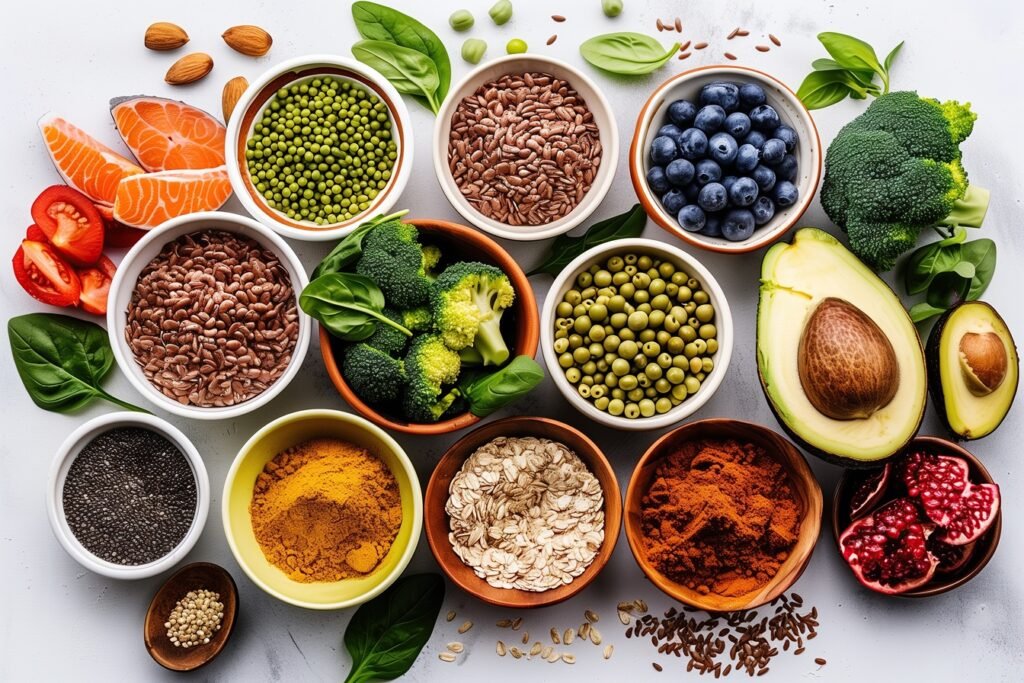
Superfoods can contribute to weight management by providing nutrient-dense options that promote satiety and metabolic health. However, they are not a magic solution; effective weight management requires a balanced diet and lifestyle changes.
Incorporating superfoods into your diet can aid in weight management by enhancing nutrient intake while potentially lowering caloric consumption. Foods such as berries, leafy greens, and legumes are rich in fiber and essential nutrients, which can help you feel full longer and reduce overall calorie intake. This, combined with a well-rounded diet and physical activity, can lead to effective weight management.
It’s crucial to note that not all superfoods are equal, and some may be marketed with exaggerated claims. For instance, some may contain high levels of sugars or fats that can counteract their benefits. Therefore, understanding the nutritional profile of these foods is vital. Prioritizing whole, minimally processed options over packaged superfood products will provide better results in your weight management journey.
Understanding Superfoods
Superfoods are typically defined as foods that are exceptionally nutrient-rich and beneficial for health and well-being. They often include fruits, vegetables, grains, nuts, and seeds that are high in vitamins, minerals, antioxidants, and fiber. These foods can play a vital role in weight management by providing essential nutrients without excessive calories.
Including superfoods in your meals can enhance nutrient density, which is critical for maintaining energy levels and metabolic health. For example, foods like quinoa and chia seeds are not only filling but also provide protein and fiber, which can help regulate appetite. However, it’s essential to choose superfoods wisely, as some may be marketed with misleading claims.
When selecting superfoods, prioritize those that are whole and minimally processed. This ensures that you get the maximum health benefits without added sugars or unhealthy fats, which can undermine your weight management goals. Understanding the unique properties of different superfoods can help you make informed dietary choices.
Mechanisms of Weight Management
Superfoods can assist in weight management through several mechanisms. First, many superfoods are high in fiber, which promotes satiety and helps control hunger. Foods like lentils, beans, and avocados can keep you feeling full longer, reducing the temptation to snack on unhealthy options.
Additionally, certain superfoods may enhance metabolic functions. For instance, green tea and cayenne pepper have been shown to boost metabolism and promote fat oxidation. These effects can be beneficial for those looking to lose weight or maintain a healthy weight. However, it’s important to remember that these foods should complement a balanced diet and active lifestyle.
Moreover, superfoods can provide essential nutrients that support overall health, which is crucial when undertaking any weight management plan. Focusing on nutrient-rich foods helps ensure that your body receives the vitamins and minerals necessary for optimal functioning, which can support weight loss efforts.
Common Mistakes to Avoid
One of the most common mistakes people make when incorporating superfoods into their diets is over-relying on them as a sole strategy for weight management. While superfoods can be beneficial, they should not replace a balanced diet. Relying solely on these foods can lead to nutrient imbalances and may not provide sufficient calories to meet your energy needs.
Another pitfall is misjudging portion sizes. Some superfoods, particularly those rich in fats like nuts and seeds, can be high in calories. It’s essential to consume these foods in moderation to avoid surpassing daily caloric goals. Additionally, many processed superfood products may contain added sugars or unhealthy fats, which can counteract their health benefits.

To avoid these mistakes, maintain a holistic approach to your diet. Incorporate a variety of food groups and monitor portion sizes to ensure you’re achieving a balanced intake. This will help you maximize the benefits of superfoods while effectively managing your weight.
Practical Tips for Incorporating Superfoods
Incorporating superfoods into your daily diet can be straightforward and enjoyable. Start by adding superfoods to your meals in creative ways. For example, blend spinach or kale into smoothies, sprinkle chia seeds on yogurt, or add berries to oatmeal. These small changes can significantly boost your nutrient intake without overwhelming your palate.
Consider meal prepping to make it easier to include superfoods in your diet. Preparing meals in advance not only saves time but also ensures you have healthy options readily available. This can help prevent impulsive eating of unhealthy snacks.
All in all, keep experimenting with different superfoods to find what works best for you. This can include trying new recipes or incorporating seasonal produce. By diversifying your intake, you’ll not only enjoy your meals more but also provide your body with a broader range of nutrients.
Further Reading
For more information on superfoods and their impact on weight management, consider exploring resources from registered dietitians or reputable health organizations. These sources can provide additional insights and evidence-based recommendations tailored to your specific nutritional needs.
Further Reading
Authoritative Sources
- Ready.gov
ready.govOfficial U.S. preparedness guidance, checklists, and planning resources for households and emergencies.
- FEMA
fema.govFederal emergency management resources, disaster planning information, and recovery guidance.
- American Red Cross Emergency Preparedness
redcross.orgPractical emergency preparation steps, supply lists, and safety guidance for families.
- National Weather Service
weather.govOfficial forecasts, hazard alerts, and weather safety information.
- CDC Emergency Preparedness and Response
cdc.govPublic health guidance for emergencies, disasters, and recovery situations.
Frequently Asked Questions
What are the best superfoods for weight management?
Some of the best superfoods include leafy greens, berries, quinoa, and legumes, as they are nutrient-dense and help promote satiety.
Can I lose weight by only eating superfoods?
No, while superfoods can aid in weight management, a balanced diet that includes a variety of food groups is essential for sustainable weight loss.
How often should I eat superfoods?
Incorporate superfoods into your meals regularly, aiming for a variety of them throughout the week to maximize their health benefits.
Are superfood supplements effective for weight management?
While some supplements may provide benefits, whole foods are generally more effective due to their nutrient complexity and synergy.
What mistakes should I avoid when using superfoods?
Avoid over-relying on superfoods alone, misjudging portion sizes, and choosing processed superfood products with added sugars.
Conclusion
To wrap up, superfoods can play a supportive role in weight management when integrated into a balanced diet. They offer nutrient density and satiety, which are crucial for controlling hunger and promoting overall health. However, it’s important to avoid common pitfalls such as over-reliance on these foods or misjudging portion sizes. To achieve effective weight management, focus on a holistic approach that includes a variety of nutrient-rich foods, regular physical activity, and mindful eating practices. By doing so, you can harness the potential of superfoods while maintaining a sustainable and healthy lifestyle.