
Key Takeaway: To incorporate whole food nutrition into your diet, focus on consuming unprocessed foods such as fruits, vegetables, whole grains, nuts, and seeds. Start by replacing refined products with whole grain alternatives, like brown rice instead of white rice. Aim to fill half your plate with vegetables and fruits at each meal, and choose snacks that are whole foods, such as raw nuts or fresh fruit. Gradually increase your intake of these foods while reducing processed items for a healthier diet.
Section Overview
Incorporating Whole Food Nutrition for a Healthier Diet
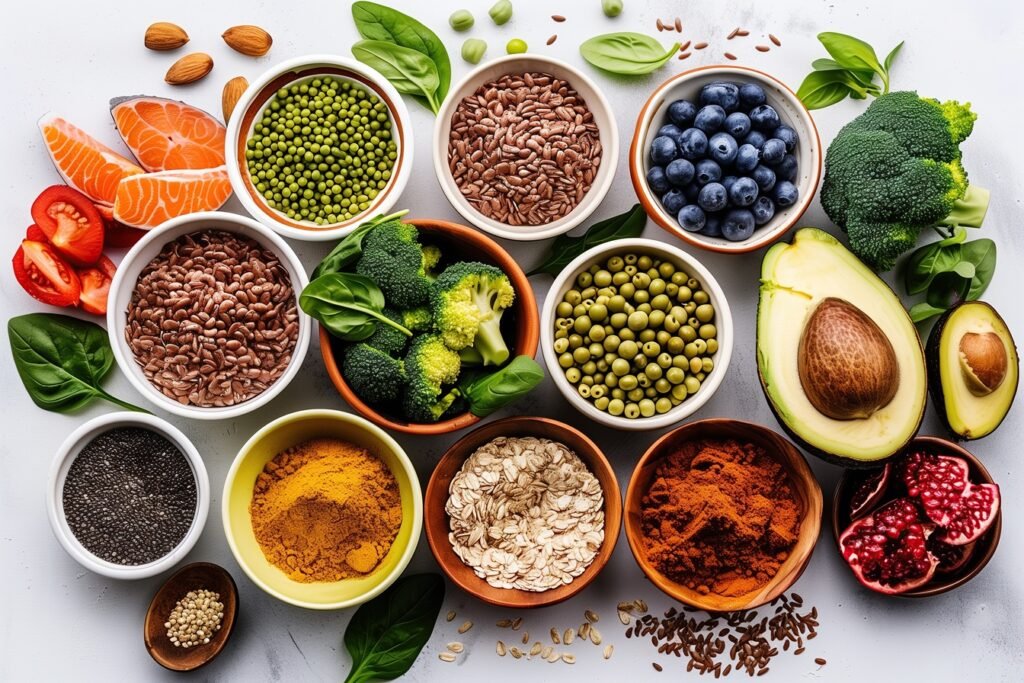
This matters more than it seems because weak decisions here usually create bigger downstream problems. Embracing whole food nutrition is a transformative journey that begins with the vibrant colors and rich textures of unprocessed foods. Picture a plate brimming with fresh vegetables, juicy fruits, and hearty whole grains, each bite bursting with nutrients that nourish your body and mind. By swapping out refined products for their whole counterparts, like choosing brown rice over white, you not only enhance the flavor of your meals but also elevate your overall health. As you gradually fill your diet with these wholesome ingredients, you’ll discover a newfound energy and vitality that comes from eating in harmony with nature. This shift towards whole foods is not just a dietary change; it’s a lifestyle choice that fosters a deeper connection to what you consume.
Understanding Whole Foods
This matters more than it seems because weak decisions here usually create bigger downstream problems. Whole foods include a variety of food groups that are rich in nutrients and beneficial for your body. These foods are typically found in their natural state and include:
- Fruits: Apples, bananas, berries, oranges, and avocados are all excellent choices. For example, berries are packed with antioxidants that can help combat oxidative stress.
- Vegetables: Leafy greens like spinach and kale, cruciferous vegetables like broccoli and cauliflower, and root vegetables like carrots and sweet potatoes provide essential vitamins and minerals.
- Whole Grains: Brown rice, quinoa, oats, and whole wheat products are great sources of fiber and can help maintain digestive health.
- Nuts and Seeds: Almonds, walnuts, chia seeds, and flaxseeds are nutrient-dense options that provide healthy fats and protein.
- Legumes: Beans, lentils, and peas are excellent plant-based protein sources that also offer fiber and various vitamins.
- Animal Products: If you consume animal products, opt for grass-fed meats, free-range poultry, and wild-caught fish to ensure higher nutrient content.
The Benefits of Whole Food Nutrition
This matters more than it seems because weak decisions here usually create bigger downstream problems. Incorporating whole foods into your diet offers numerous health benefits:
- Improved Nutrient Intake: Whole foods are rich in vitamins, minerals, and antioxidants. For instance, leafy greens like spinach are high in iron and calcium, while citrus fruits provide a significant amount of vitamin C.
- Better Digestion: The fiber found in whole foods aids digestion and promotes a healthy gut microbiome. Foods like oats and legumes can help prevent constipation and support regular bowel movements.
- Weight Management: Whole foods tend to be lower in calories but high in volume, which can help you feel full longer. For example, a salad made with a variety of vegetables can be more satisfying than a processed snack.
- Reduced Risk of Chronic Diseases: Diets rich in whole foods have been linked to lower risks of heart disease, diabetes, and certain cancers. For instance, the Mediterranean diet emphasizes whole foods like fruits, vegetables, whole grains, and healthy fats, contributing to heart health.
Practical Steps to Incorporate Whole Foods
This matters more than it seems because weak decisions here usually create bigger downstream problems. Transitioning to a How can i start a whole food diet?“>whole food diet may seem daunting at first, but with these practical steps, you can make the shift smoothly:
1. Start with Breakfast
Begin your day with a nutritious breakfast that includes whole foods. Consider oatmeal topped with fresh berries and a sprinkle of chia seeds for added fiber and omega-3 fatty acids. Alternatively, a smoothie made with spinach, banana, almond milk, and a scoop of nut butter can provide a balanced start to your day.
2. Plan Your Meals
Meal planning is essential for incorporating whole foods into your diet. Dedicate time each week to plan your meals around whole food ingredients. Create a shopping list that includes fresh produce, whole grains, nuts, seeds, and lean proteins. For example, plan a quinoa salad with chickpeas, diced cucumbers, cherry tomatoes, and a lemon-tahini dressing for lunch.
3. Cook at Home
Cooking at home allows you to control the ingredients in your meals. Experiment with new recipes that highlight whole foods. Try roasting seasonal vegetables like Brussels sprouts and carrots tossed in olive oil and herbs for a delicious side dish. Homemade soups made from scratch using fresh vegetables can also be nutritious and satisfying.
4. Snack Wisely
Replace processed snacks with whole food alternatives. Instead of reaching for chips or cookies, opt for raw vegetables with hummus or a handful of nuts. For a sweet treat, enjoy apple slices with almond butter or Greek yogurt topped with fresh fruit.
5. Read Labels
If you purchase packaged foods, make it a habit to read labels carefully. Look for products with minimal ingredients that you can recognize as whole foods. For example, choose whole grain bread that lists whole wheat flour as the first ingredient rather than refined flour.
Overcoming Challenges
This matters more than it seems because weak decisions here usually create bigger downstream problems. Transitioning to a whole food diet may come with challenges. Here are some common obstacles and how to overcome them:
- Lack of Time: If you’re busy, consider batch cooking on weekends to prepare meals for the week ahead. This way, you’ll have healthy options readily available.
- Limited Access to Fresh Foods: If fresh produce is hard to come by in your area, consider frozen fruits and vegetables as they retain their nutrients and can be just as beneficial.
- Social Situations: When dining out or attending events, don’t hesitate to ask for modifications to meals or choose options that align with your whole food goals.
The Long-Term Impact of Whole Food Nutrition
This matters more than it seems because weak decisions here usually create bigger downstream problems. Adopting a whole food diet is not just about immediate health benefits; it’s about fostering long-term wellness. Research shows that individuals who consistently consume whole foods experience better overall health outcomes. For instance, studies indicate that diets rich in fruits and vegetables can lead to improved mental health and cognitive function over time.
Moreover, embracing What are the benefits of whole food nutrition?“>whole food nutrition can lead to sustainable lifestyle changes. As you become more aware of what you eat and its impact on your body, you may find yourself making more informed choices even outside of meal times. This awareness can extend to other areas of your life as well.
Conclusion
This matters more than it seems because weak decisions here usually create bigger downstream problems. Incorporating whole food nutrition into your diet is a powerful step towards achieving better health. By focusing on fresh fruits, vegetables, whole grains, nuts, seeds, legumes, and quality animal products when applicable, you can nourish your body effectively. Remember that small changes can lead to significant improvements over time. Start today by making one or two adjustments to your meals or snacks and gradually build upon those changes for a healthier future.
Your journey towards a healthier diet through whole food nutrition is not just about what you eat; it’s about embracing a lifestyle that prioritizes well-being. With commitment and creativity in the kitchen, you can enjoy delicious meals while reaping the numerous benefits of whole food nutrition.
Frequently Asked Questions
People Also Ask
How can I start incorporating whole food nutrition into my daily meals?
This matters more than it seems because weak decisions here usually create bigger downstream problems. To begin incorporating whole food nutrition into your daily meals, focus on replacing processed items with whole food alternatives. Start by filling half your plate with vegetables and fruits at each meal, and choose whole grains like brown rice or quinoa instead of refined grains. Gradually introduce snacks that are whole foods, such as raw nuts or fresh fruit, to help you transition smoothly. This approach not only enhances your nutrient intake but also promotes a healthier lifestyle.
What are some practical tips for incorporating whole food nutrition into my diet?
This matters more than it seems because weak decisions here usually create bigger downstream problems. Practical tips for incorporating whole food nutrition include meal planning and cooking at home. Dedicate time each week to plan meals around whole food ingredients, ensuring you have fresh produce, whole grains, and lean proteins on hand. Experiment with new recipes that highlight these foods, such as a quinoa salad or roasted vegetables. This will make it easier to enjoy the benefits of whole food nutrition while maintaining variety in your diet.
What challenges might I face when incorporating whole food nutrition into my diet?
This matters more than it seems because weak decisions here usually create bigger downstream problems. When transitioning to a whole food diet, you may encounter challenges such as lack of time or limited access to fresh foods. To overcome time constraints, consider batch cooking on weekends to prepare healthy meals for the week ahead. If fresh produce is hard to find, frozen fruits and vegetables can be a convenient alternative that retains their nutritional value. Addressing these challenges will help you stay committed to a whole food nutrition approach.
How does incorporating whole food nutrition impact my overall health?
This matters more than it seems because weak decisions here usually create bigger downstream problems. Incorporating whole food nutrition into your diet can significantly improve your overall health by enhancing nutrient intake and supporting better digestion. Whole foods are rich in vitamins, minerals, and antioxidants that help reduce the risk of chronic diseases. Additionally, the fiber found in these foods aids digestion and promotes a healthy gut microbiome. By making this dietary shift, you’ll likely experience increased energy levels and improved well-being.
What types of foods should I focus on when incorporating whole food nutrition?
This matters more than it seems because weak decisions here usually create bigger downstream problems. When focusing on incorporating whole food nutrition, prioritize a variety of unprocessed foods such as fruits, vegetables, whole grains, nuts, seeds, and legumes. These foods are nutrient-dense and provide essential vitamins and minerals that support your health. If you consume animal products, choose options like grass-fed meats and wild-caught fish for higher nutrient content. This diverse selection will help ensure you receive a balanced intake of nutrients essential for a healthier diet.
Other Questions People Ask
What common mistakes should you avoid with Incorporating Whole Food Nutrition for a Healthier Diet?
This matters more than it seems because weak decisions here usually create bigger downstream problems. When using Incorporating Whole Food Nutrition for a Healthier Diet, people often overlook fundamental principles or skip important steps. Rushing through the process or failing to plan can lead to poor outcomes. Being aware of these common pitfalls allows you to avoid them from the start. Careful preparation and attention to detail will help you achieve the desired results.
What tips can help beginners succeed with Incorporating Whole Food Nutrition for a Healthier Diet?
This matters more than it seems because weak decisions here usually create bigger downstream problems. Beginners benefit from starting with the basics of Incorporating Whole Food Nutrition for a Healthier Diet and focusing on core practices. Setting realistic goals and building skills gradually can boost confidence. Seeking out reputable tutorials or mentors accelerates progress and reduces frustration. Patience and consistency are key to mastering the essentials and moving on to more advanced techniques.
How does Incorporating Whole Food Nutrition for a Healthier Diet compare to alternatives?
This matters more than it seems because weak decisions here usually create bigger downstream problems. Comparing Incorporating Whole Food Nutrition for a Healthier Diet to alternative options highlights its unique strengths and weaknesses. Evaluating factors like cost, performance and ease of use can clarify which option is best for you. Some alternatives may excel in specific areas, while Incorporating Whole Food Nutrition for a Healthier Diet offers advantages elsewhere. A balanced assessment will help you choose the solution that fits your priorities.