
Instant Insight: To incorporate whole food nutrition into your diet, focus on consuming unprocessed foods such as fruits, vegetables, whole grains, nuts, seeds, and legumes. Start by replacing refined products with whole grain alternatives, like brown rice instead of white rice. Aim to fill half your plate with vegetables and fruits at each meal, and choose snacks that are whole foods, such as fresh fruit or raw nuts. Gradually reduce processed foods and read labels to avoid added sugars and unhealthy fats.
In This Article
- Incorporating Whole Food Nutrition for a Healthier Lifestyle
- Understanding Whole Foods
- The Benefits of Whole Food Nutrition
- Practical Steps to Incorporate Whole Foods
- Overcoming Challenges
- The Importance of Mindful Eating
- Conclusion
- Common Questions People Ask
- Can whole food nutrition aid in weight loss?
Incorporating Whole Food Nutrition for a Healthier Lifestyle
Embracing whole food nutrition is a transformative journey that can significantly enhance your well-being. By prioritizing unprocessed foods like vibrant fruits and crisp vegetables, you not only nourish your body but also invigorate your palate with a variety of flavors and textures. Imagine swapping out refined grains for hearty whole grains, allowing your meals to become more satisfying and nutrient-dense. As you fill your plate with colorful produce and opt for wholesome snacks like raw nuts, you'll find that each bite contributes to a healthier lifestyle, fostering a deeper connection to the food you consume. This mindful approach to eating encourages a gradual shift away from processed options, empowering you to make choices that truly support your health.
Understanding Whole Foods
Whole foods include a variety of food groups that are in their natural state or have undergone minimal processing. These foods are rich in vitamins, minerals, fiber, and antioxidants. Examples of whole foods include:
- Fruits: Apples, bananas, berries, oranges, and avocados.
- Vegetables: Spinach, kale, broccoli, carrots, and bell peppers.
- Whole grains: Brown rice, quinoa, oats, and whole wheat.
- Nuts and seeds: Almonds, walnuts, chia seeds, and flaxseeds.
- Legumes: Lentils, chickpeas, black beans, and kidney beans.
- Animal products: Grass-fed beef, free-range chicken, wild-caught fish, and eggs from pasture-raised hens.
The Benefits of Whole Food Nutrition
Incorporating whole foods into your diet offers numerous health benefits. Here are some key advantages:
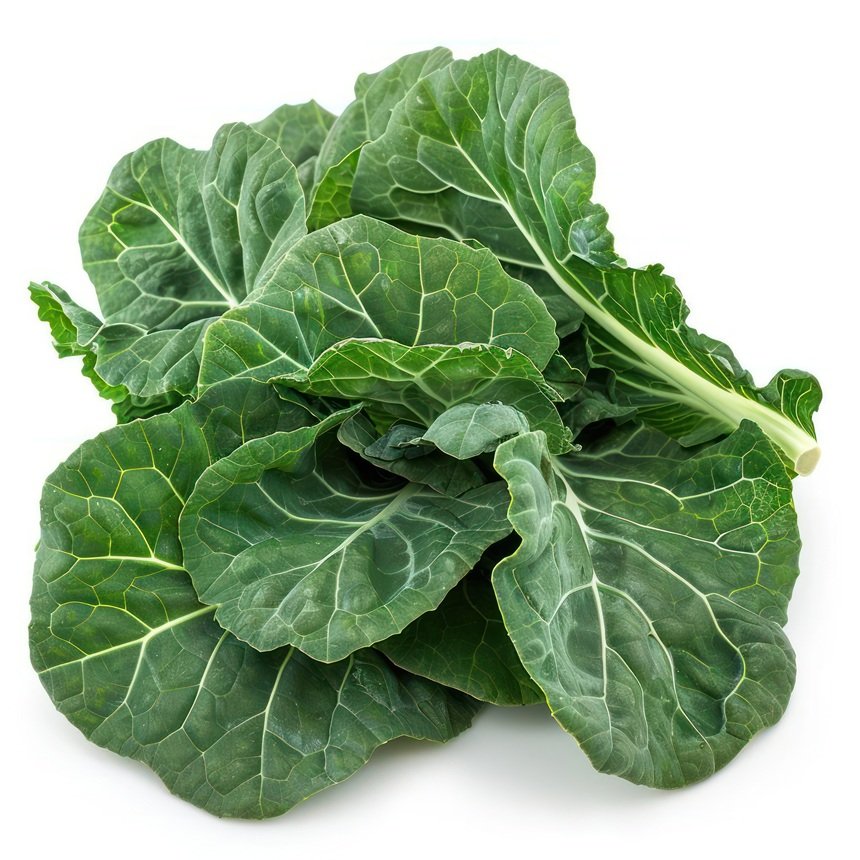
- Nutrient Density: Whole foods are packed with essential nutrients that support bodily functions. For instance, leafy greens like kale are rich in vitamins A, C, and K, as well as calcium and iron.
- Weight Management: Whole foods tend to be lower in calories and higher in fiber compared to processed foods. This combination helps you feel full longer, making it easier to maintain a healthy weight. For example, a bowl of oatmeal topped with fresh berries can keep you satisfied until lunchtime.
- Improved Digestion: The fiber found in whole foods promotes healthy digestion by supporting regular bowel movements and feeding beneficial gut bacteria. Foods like lentils and chickpeas are excellent sources of fiber.
- Reduced Risk of Chronic Diseases: A diet rich in whole foods has been linked to a lower risk of chronic diseases such as heart disease, diabetes, and certain cancers. For instance, consuming a variety of colorful fruits and vegetables can provide antioxidants that combat oxidative stress in the body.
Practical Steps to Incorporate Whole Foods
Transitioning to a whole food diet may seem daunting at first, but with these practical steps, you can make the shift gradually and sustainably:
1. Start with Breakfast
Begin your day with a nutritious breakfast that includes whole foods. Instead of sugary cereals or pastries, opt for oatmeal topped with sliced bananas and a sprinkle of cinnamon. This meal is not only delicious but also provides sustained energy throughout the morning.
2. Snack Smart
Replace processed snacks with whole food alternatives. Instead of reaching for chips or candy bars, try snacking on raw vegetables like carrot sticks or cucumber slices paired with hummus. Alternatively, a handful of mixed nuts or a piece of fruit can satisfy your cravings while providing essential nutrients.
3. Plan Your Meals
Meal planning is an effective way to ensure you incorporate whole foods into your diet. Dedicate some time each week to plan your meals and create a shopping list focused on whole ingredients. For example, you might plan a week that includes:
- Monday: Quinoa salad with black beans, corn, diced tomatoes, and avocado.
- Tuesday: Stir-fried vegetables with brown rice and grilled chicken.
- Wednesday: Lentil soup with spinach and carrots.
- Thursday: Baked salmon with sweet potatoes and steamed broccoli.
- Friday: Whole grain pasta with marinara sauce made from fresh tomatoes and basil.
4. Explore New Recipes
Diving into new recipes can make incorporating whole foods exciting. Look for cookbooks or online resources that focus on whole food cooking. For instance, try making a hearty vegetable stew using seasonal produce or a smoothie bowl packed with spinach, banana, and almond milk topped with chia seeds.
5. Shop the Perimeter of the Grocery Store
When grocery shopping, focus on the perimeter of the store where fresh produce, meats, and dairy products are typically located. This area is often where whole foods are found. Avoid the inner aisles where processed foods tend to dominate. For example, fill your cart with vibrant fruits and vegetables while steering clear of sugary cereals and snack foods.
Overcoming Challenges
Transitioning to a whole food diet may come with challenges. Here are some common obstacles and tips to overcome them:
Lack of Time
If you feel pressed for time, consider batch cooking on weekends. Prepare large quantities of whole food meals that can be stored in the refrigerator or freezer for quick access during busy weekdays. For instance, cook a big pot of chili or vegetable soup that can be reheated for lunches or dinners throughout the week.
Taste Preferences
If you’re accustomed to processed foods high in sugar and salt, it may take time for your taste buds to adjust to whole foods. Gradually introduce new flavors by experimenting with herbs and spices to enhance the taste of your meals. For example, try adding garlic and rosemary to roasted vegetables for a flavorful twist.
The Importance of Mindful Eating
In addition to choosing whole foods, practicing mindful eating can further enhance your health journey. Take time to savor each bite by eating slowly and paying attention to hunger cues. This practice not only improves digestion but also helps you appreciate the flavors and textures of whole foods.
Conclusion
Incorporating whole food nutrition into your lifestyle is a rewarding journey that can lead to improved health and well-being. By focusing on nutrient-dense foods and making gradual changes to your diet, you can create lasting habits that benefit both your body and mind. Remember that every small step counts towards achieving a healthier lifestyle.
For more information on nutrition guidelines and healthy eating practices, visit resources like the USDA’s Dietary Guidelines at www.choosemyplate.gov or explore local government health websites for additional support.
Common Questions People Ask
Can whole food nutrition aid in weight loss?
Yes, whole food nutrition can aid in weight loss by promoting satiety and reducing calorie intake from processed foods. Whole foods are typically lower in calories and higher in fiber, which helps you feel full longer. By focusing on nutrient-dense options, individuals can create a sustainable eating pattern that supports weight management and overall health.