
Key Takeaway: To pick the best whole food nutrition, focus on selecting a variety of minimally processed foods that are rich in nutrients. Prioritize fruits, vegetables, whole grains, nuts, and seeds, as these provide essential vitamins, minerals, and fiber. Check for seasonal and local options to ensure freshness and quality. Lastly, read labels to avoid added sugars, preservatives, and unhealthy fats, ensuring that the foods you choose align with your health goals.
In This Article
- Choosing the Best Whole Food Nutrition for Optimal Health
- Understanding Whole Foods
- The Benefits of Whole Food Nutrition
- Practical Steps to Incorporate Whole Foods into Your Diet
- Overcoming Challenges in Transitioning to Whole Foods
- The Importance of Hydration
- Conclusion
- Questions You Might Have
- What are the benefits of whole food nutrition?
- How can I incorporate more whole foods into my diet?
- Are there any downsides to a whole food diet?
- Can a whole food diet help with weight loss?
Choosing the Best Whole Food Nutrition for Optimal Health
Choosing the best whole food nutrition is a transformative journey that begins with understanding the vibrant array of minimally processed foods available to us. Imagine filling your plate with colorful fruits and vegetables, each bite bursting with essential vitamins and minerals that nourish your body from the inside out. Whole grains, nuts, and seeds not only provide fiber but also offer a satisfying crunch and depth of flavor that processed options simply can’t match. By prioritizing seasonal and local produce, you not only support your health but also contribute to sustainable practices that benefit your community. As you navigate the aisles, being mindful of labels helps you steer clear of hidden sugars and unhealthy fats, ensuring that every choice you make is a step toward optimal health.
Understanding Whole Foods
Whole foods are foods that are as close to their natural state as possible. They include fruits, vegetables, whole grains, nuts, seeds, and legumes. Unlike processed foods, which often contain added sugars, unhealthy fats, and preservatives, whole foods provide essential nutrients without unnecessary additives. For example:
- Fruits: Apples, bananas, berries, and oranges are rich in vitamins, minerals, and antioxidants.
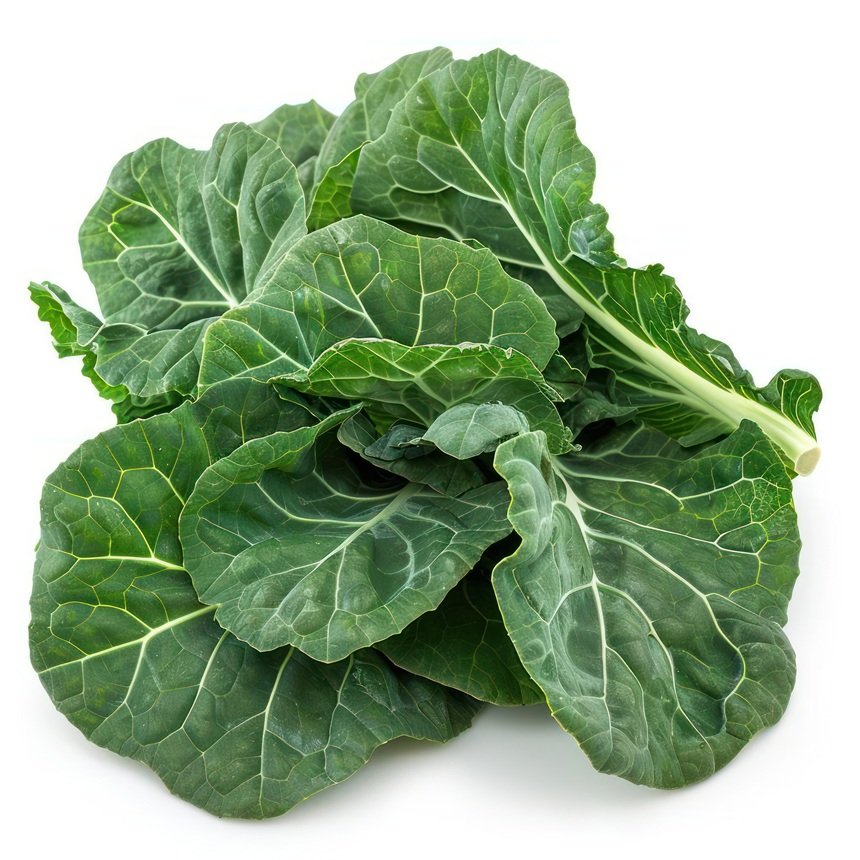
- Vegetables: Leafy greens like spinach and kale are packed with fiber and essential nutrients.
- Whole Grains: Brown rice, quinoa, and oats provide complex carbohydrates and fiber.
- Nuts and Seeds: Almonds, walnuts, chia seeds, and flaxseeds are excellent sources of healthy fats and protein.
- Legumes: Lentils, chickpeas, and black beans are high in protein and fiber.
The Benefits of Whole Food Nutrition
Incorporating whole foods into your diet offers numerous health benefits. Here are some key advantages:
- Improved Digestion: Whole foods are high in dietary fiber, which aids in digestion and helps maintain a healthy gut. For instance, consuming a variety of fruits and vegetables can promote regular bowel movements and prevent constipation.
- Weight Management: Whole foods are generally lower in calories and higher in nutrients compared to processed foods. This means you can eat satisfying portions while still managing your weight effectively. For example, snacking on raw vegetables with hummus is more nutritious than reaching for chips.
- Enhanced Energy Levels: Whole foods provide a steady source of energy due to their complex carbohydrates. Foods like sweet potatoes and quinoa release energy slowly, preventing spikes and crashes in blood sugar levels.
- Reduced Risk of Chronic Diseases: Diets rich in whole foods have been linked to a lower risk of heart disease, diabetes, and certain cancers. For example, the Mediterranean diet emphasizes whole foods like olive oil, fish, fruits, and vegetables, which have been shown to promote heart health.
Practical Steps to Incorporate Whole Foods into Your Diet
Transitioning to a whole food diet can be simple and enjoyable. Here are some practical steps to help you get started:
1. Start with Breakfast
Begin your day with a nutritious breakfast that includes whole foods. Instead of sugary cereals or pastries, opt for oatmeal topped with fresh fruits and nuts. For example, prepare a bowl of steel-cut oats with sliced bananas, a sprinkle of cinnamon, and a handful of walnuts for a filling meal that fuels your morning.
2. Snack Wisely
Replace processed snacks with whole food options. Instead of reaching for chips or candy bars, try snacking on raw vegetables like carrot sticks or cucumber slices paired with hummus. Alternatively, grab a piece of fruit or a handful of mixed nuts for a quick energy boost.
3. Plan Your Meals
Meal planning can help you incorporate more whole foods into your diet. Dedicate some time each week to plan your meals around whole food ingredients. For instance, create a weekly menu that includes dishes like quinoa salad with roasted vegetables or stir-fried brown rice with tofu and broccoli.
4. Experiment with New Recipes
Explore new recipes that highlight whole foods. Try making a hearty vegetable soup using seasonal produce or a colorful salad featuring leafy greens, chickpeas, and avocado. Websites like Google can provide you with countless recipe ideas that focus on whole food ingredients.
5. Shop Smart
Your grocery shopping habits can significantly impact your ability to eat whole foods. When shopping, focus on the perimeter of the store where fresh produce, meats, and dairy products are typically located. Avoid the inner aisles where processed foods are often found. Make a shopping list that prioritizes whole food items to keep you on track.
Overcoming Challenges in Transitioning to Whole Foods
While transitioning to a whole food diet can be beneficial, it may also present challenges. Here are some common obstacles and tips to overcome them:
Lack of Time
If you feel pressed for time, consider batch cooking on weekends. Prepare large quantities of whole food meals that can be stored in the refrigerator or freezer for quick access during busy weekdays. For example, cook a big pot of chili using beans and vegetables that can be reheated for lunches or dinners throughout the week.
Taste Preferences
If you’re used to the flavors of processed foods, it may take time to adjust to the taste of whole foods. Gradually introduce new ingredients into your meals while still incorporating familiar flavors. For instance, add spices or herbs to enhance the taste of roasted vegetables or whole grain dishes.
Cost Concerns
Whole foods can sometimes seem more expensive than processed options; however, buying in bulk or choosing seasonal produce can help reduce costs. Consider visiting local farmers’ markets for fresh fruits and vegetables at lower prices than grocery stores.
The Importance of Hydration
In addition to focusing on whole foods, staying hydrated is crucial for optimal health. Water plays a vital role in digestion, nutrient absorption, and overall bodily functions. Aim to drink at least eight 8-ounce glasses of water daily. You can also hydrate through whole food sources like fruits (e.g., watermelon) and vegetables (e.g., cucumbers).
Conclusion
Choosing the best whole food nutrition is an empowering step towards achieving optimal health. By understanding what constitutes whole foods and implementing practical strategies to incorporate them into your daily life, you can experience significant improvements in your well-being. Remember that every small change counts; start today by making one healthier choice at a time!
Questions You Might Have
What are the benefits of whole food nutrition?
Whole food nutrition offers numerous health benefits, including improved digestion, better weight management, and enhanced energy levels. By focusing on unprocessed foods, individuals can obtain essential nutrients, vitamins, and minerals that support overall health. Additionally, whole foods are often rich in fiber, which aids in maintaining a healthy gut and reducing the risk of chronic diseases.
How can I incorporate more whole foods into my diet?
Incorporating more whole foods into your diet can be achieved by gradually replacing processed items with fresh fruits, vegetables, whole grains, nuts, and seeds. Start by planning meals around whole foods and experimenting with new recipes that highlight these ingredients. Shopping at local farmers’ markets and choosing seasonal produce can also help you discover a variety of whole foods to enjoy.
Are there any downsides to a whole food diet?
While a whole food diet is generally considered healthy, some individuals may find it challenging to maintain due to time constraints or higher costs associated with fresh produce. Additionally, those with specific dietary restrictions may struggle to find suitable whole food options. It’s important to ensure that a whole food diet is balanced and meets all nutritional needs to avoid deficiencies.
Can a whole food diet help with weight loss?
A whole food diet can be effective for weight loss as it emphasizes nutrient-dense foods that are lower in calories and higher in fiber. This combination helps promote satiety, reducing the likelihood of overeating. Furthermore, by eliminating processed foods high in added sugars and unhealthy fats, individuals can create a healthier eating pattern that supports weight management.