
Instant Insight: Common mistakes people make with whole food nutrition include over-relying on processed whole foods, which can still contain added sugars and unhealthy fats. Many also fail to balance their meals, neglecting essential macronutrients like proteins and healthy fats. Additionally, some individuals may not pay attention to portion sizes, leading to overeating even healthy foods. Lastly, a lack of variety in food choices can result in nutrient deficiencies, as different foods provide different essential vitamins and minerals.
Article Guide
- Common Mistakes to Avoid in Whole Food Nutrition
- 1. Overlooking Nutrient Density
- 2. Ignoring Portion Sizes
- 3. Neglecting Variety
- 4. Relying Too Heavily on Processed Whole Foods
- 5. Skipping Meals
- 6. Not Listening to Your Body
- 7. Failing to Prepare Meals Ahead of Time
- 8. Underestimating the Importance of Hydration
- 9. Setting Unrealistic Expectations
- 10. Forgetting About Healthy Fats
- Conclusion
- Frequently Asked Questions
Common Mistakes to Avoid in Whole Food Nutrition
Navigating the world of whole food nutrition can be deceptively simple, yet many stumble into common pitfalls that undermine their health goals. A frequent misstep is the assumption that all whole foods are inherently healthy; even these can harbor hidden sugars and unhealthy fats. Moreover, neglecting to balance meals with adequate proteins and healthy fats can leave your body craving essential nutrients. Overeating, even the healthiest options, often stems from a lack of awareness about portion sizes, while sticking to a narrow range of foods can lead to nutrient deficiencies that compromise overall well-being. Embracing a diverse and mindful approach to whole food nutrition is crucial for truly reaping its benefits.
1. Overlooking Nutrient Density
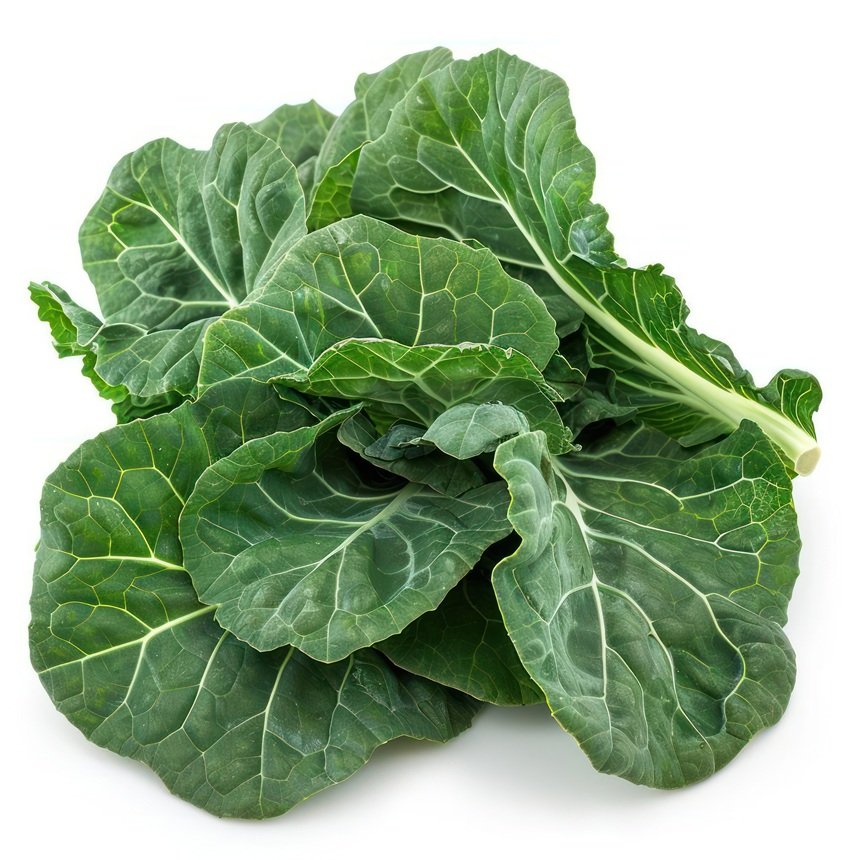
One of the most significant mistakes people make is focusing solely on calorie intake rather than the nutrient density of the foods they consume. Nutrient-dense foods provide a high amount of vitamins, minerals, and other beneficial compounds relative to their calorie content. For example, while a bag of chips may be low in calories, it offers little to no nutritional value. In contrast, a serving of kale is low in calories but packed with vitamins A, C, K, and calcium.
- Tip: Prioritize foods like leafy greens, berries, nuts, and seeds that offer a wealth of nutrients without excessive calories.
2. Ignoring Portion Sizes
Even when consuming whole foods, portion sizes matter. Many individuals mistakenly believe that because whole foods are healthier, they can eat them in unlimited quantities. For instance, while avocados are a fantastic source of healthy fats, consuming an entire avocado daily without considering overall caloric intake may lead to unwanted weight gain.
- Tip: Use measuring cups or a food scale to understand appropriate portion sizes. A serving of nuts is typically about a small handful, or 1 ounce.
3. Neglecting Variety
Eating a wide variety of whole foods is crucial for obtaining a broad spectrum of nutrients. Many people fall into the trap of eating the same few foods repeatedly. For example, someone might consume oatmeal for breakfast every day without incorporating other grains like quinoa or buckwheat, which can provide different nutrients and flavors.
- Tip: Aim for a rainbow on your plate. Include various fruits and vegetables such as red bell peppers, blueberries, and purple eggplants to ensure diverse nutrient intake.
4. Relying Too Heavily on Processed Whole Foods
While whole food nutrition encourages the consumption of unprocessed or minimally processed foods, many people mistakenly rely on packaged items labeled as “whole” or “natural.” These products can still contain added sugars, preservatives, and unhealthy fats. For instance, granola bars marketed as healthy snacks often contain high levels of added sugars and oils.
- Tip: Always read ingredient labels carefully. Choose products with short ingredient lists that feature whole food ingredients you recognize.
5. Skipping Meals
Some individuals believe that skipping meals will help them lose weight or detoxify their bodies. However, this approach can lead to nutrient deficiencies and increased cravings for unhealthy foods later in the day. For example, skipping breakfast may result in overeating at lunch or dinner due to heightened hunger levels.
- Tip: Establish regular meal times and include balanced meals that incorporate protein, healthy fats, and fiber to keep you satisfied throughout the day.
6. Not Listening to Your Body
Whole food nutrition is not just about what you eat; it’s also about how you feel after eating. Many people ignore their body’s signals regarding hunger and fullness. For instance, if you find yourself feeling bloated or uncomfortable after consuming certain whole foods like beans or cruciferous vegetables, it may be worth examining your portion sizes or cooking methods.
- Tip: Practice mindful eating by slowing down during meals and paying attention to how different foods make you feel.
7. Failing to Prepare Meals Ahead of Time
Lack of meal preparation can lead to poor food choices when hunger strikes. When unprepared, individuals may resort to convenience foods that are often less nutritious. For example, if you come home from work exhausted and have no healthy meals ready, you might opt for takeout instead of a wholesome home-cooked meal.
- Tip: Set aside time each week to plan and prepare meals in advance. Batch cooking grains, roasting vegetables, and preparing proteins can save time during busy weekdays.
8. Underestimating the Importance of Hydration
Many people overlook hydration when focusing on whole food nutrition. Dehydration can lead to fatigue, headaches, and decreased cognitive function. While whole foods like fruits and vegetables contribute to hydration, they should not be your only source of fluids.
- Tip: Aim for at least eight 8-ounce glasses of water daily. Incorporate herbal teas or infused water with fruits like lemon or cucumber for added flavor.
9. Setting Unrealistic Expectations
A common mistake in adopting whole food nutrition is setting unrealistic expectations regarding weight loss or health improvements. Many individuals expect immediate results and become discouraged when they do not see rapid changes. For example, expecting to lose 10 pounds in a week by switching to whole foods is not only unrealistic but also unhealthy.
- Tip: Set achievable goals such as incorporating one new vegetable into your meals each week or cooking at home three times a week instead of dining out.
10. Forgetting About Healthy Fats
In the past, dietary fat was demonized; however, healthy fats are essential for overall health and should not be neglected in a whole food diet. Foods like avocados, olive oil, nuts, and fatty fish provide vital omega-3 fatty acids that support heart health and brain function.
- Tip: Include sources of healthy fats in your meals regularly; for instance, drizzle olive oil over salads or add walnuts to your morning oatmeal.
Conclusion
A successful transition to whole food nutrition requires awareness and mindfulness about what you eat and how it affects your body. By avoiding these common mistakes—such as overlooking nutrient density, ignoring portion sizes, and failing to prepare meals—you can create a sustainable and enjoyable approach to eating that promotes long-term health benefits. Remember that every small change counts on your journey toward better nutrition.