
Instant Insight: Whole food nutrition refers to consuming foods that are minimally processed and free from artificial ingredients, focusing on fruits, vegetables, whole grains, nuts, and seeds. This approach is important because whole foods are rich in essential nutrients, vitamins, and minerals that support overall health and well-being. They provide the body with the necessary energy and help reduce the risk of chronic diseases such as obesity, diabetes, and heart disease. By prioritizing whole foods, individuals can improve their diet quality and enhance their long-term health outcomes.
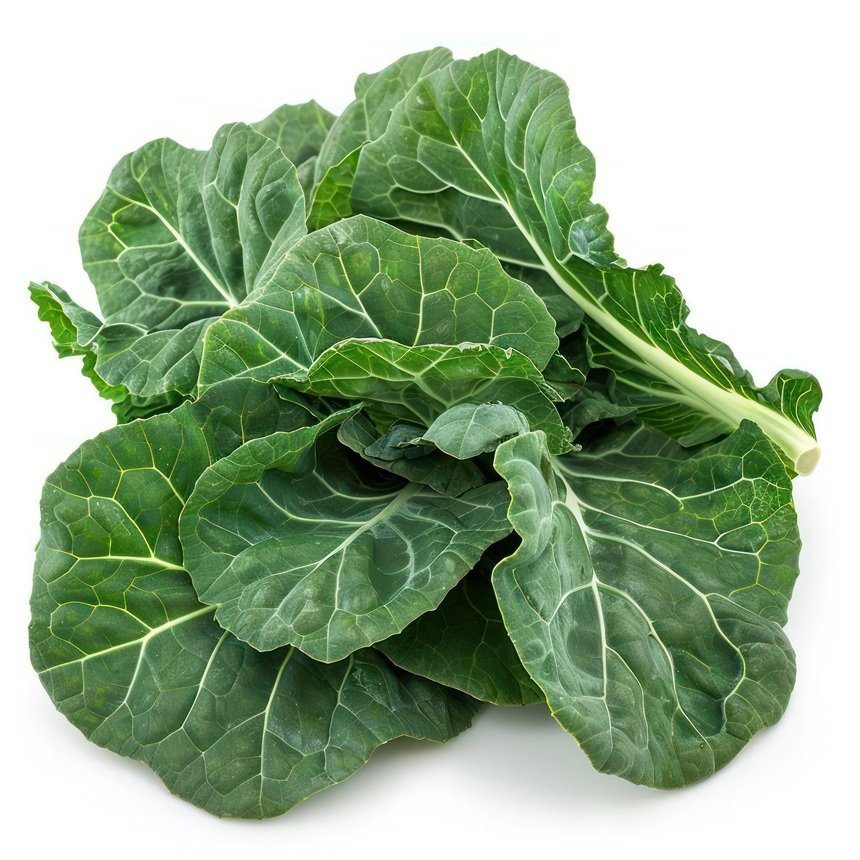
Table of Contents
- The Benefits of Whole Food Nutrition for Your Health
- Understanding Whole Foods
- Key Benefits of Whole Food Nutrition
- Practical Steps to Incorporate Whole Foods into Your Diet
- Overcoming Challenges
- The Bottom Line
- Common Questions People Ask
- What are the benefits of whole food nutrition?
- How can I incorporate more whole foods into my diet?
- Are there any downsides to a whole food diet?
The Benefits of Whole Food Nutrition for Your Health
Whole food nutrition is a transformative approach that emphasizes the consumption of natural, unprocessed foods, allowing individuals to tap into the vibrant energy and essential nutrients that nature provides. By embracing fruits, vegetables, whole grains, nuts, and seeds, we not only nourish our bodies but also fortify our defenses against chronic diseases that plague modern society. This nutrient-dense diet fosters a deeper connection to what we eat, encouraging mindful choices that enhance both physical health and emotional well-being. As we prioritize whole foods, we unlock the potential for improved vitality and longevity, paving the way for a healthier future.
Whole food nutrition emphasizes consuming foods that are minimally processed and free from artificial ingredients. This approach not only enhances your overall health but also supports sustainable eating habits. By focusing on whole foods, you can experience a multitude of benefits that positively impact your physical and mental well-being.
Understanding Whole Foods
Whole foods are foods that are in their natural state or have undergone minimal processing. This includes fruits, vegetables, whole grains, nuts, seeds, and legumes. Unlike processed foods, which often contain added sugars, unhealthy fats, and preservatives, whole foods provide essential nutrients without the harmful additives. For instance, an apple is a whole food, while apple juice or apple-flavored snacks are processed versions that lack the fiber and nutrients found in the whole fruit.
Key Benefits of Whole Food Nutrition
- Improved Nutrient Intake: Whole foods are rich in vitamins, minerals, and antioxidants. For example, leafy greens like spinach and kale are packed with vitamins A, C, and K, as well as iron and calcium. These nutrients play crucial roles in maintaining bodily functions and preventing deficiencies.
- Weight Management: Whole foods tend to be lower in calories and higher in fiber compared to processed foods. Foods like quinoa and brown rice provide sustained energy and keep you feeling full longer. This can help prevent overeating and support weight loss or maintenance goals.
- Enhanced Digestive Health: The fiber found in whole foods aids digestion and promotes gut health. Foods such as beans, lentils, and whole grains contribute to a healthy microbiome, which is essential for nutrient absorption and overall digestive function.
- Reduced Risk of Chronic Diseases: A diet rich in whole foods has been linked to a lower risk of chronic diseases such as heart disease, diabetes, and certain cancers. For instance, consuming a variety of colorful fruits and vegetables can reduce inflammation and improve heart health due to their high antioxidant content.
- Better Mental Health: Emerging research suggests a strong connection between diet and mental health. Whole foods can positively influence mood and cognitive function. Omega-3 fatty acids found in walnuts and flaxseeds, for example, are known to support brain health and may reduce symptoms of depression.
Practical Steps to Incorporate Whole Foods into Your Diet
Transitioning to a whole food diet may seem daunting at first, but with some practical steps, you can easily incorporate these nutritious options into your daily routine.
1. Start with Breakfast
Begin your day with a wholesome breakfast that fuels your body. Instead of sugary cereals or pastries, opt for oatmeal topped with fresh berries and a sprinkle of nuts. This combination provides complex carbohydrates, fiber, and healthy fats to keep you energized throughout the morning.
2. Snack Smart
Replace processed snacks with whole food alternatives. Instead of reaching for chips or candy bars, try snacking on raw vegetables like carrots or bell peppers with hummus. Alternatively, grab a piece of fruit or a handful of mixed nuts for a satisfying and nutritious option.
3. Plan Your Meals
Meal planning can help you stay on track with your whole food nutrition goals. Dedicate some time each week to plan your meals around whole food ingredients. For example, create a weekly menu that includes dishes like quinoa salad with roasted vegetables or a stir-fry made with fresh produce and lean protein sources like chicken or tofu.
4. Explore New Recipes
Diving into new recipes can make eating whole foods exciting. Experiment with different cooking methods such as roasting, grilling, or steaming to enhance the flavors of your meals. Try making a hearty vegetable soup using seasonal produce or a colorful salad with a variety of textures and flavors.
5. Shop Smart
Your grocery shopping habits play a significant role in your ability to maintain a whole food diet. Focus on shopping the perimeter of the store where fresh produce, meats, and dairy products are typically located. Avoid the inner aisles where processed foods are often found. Additionally, consider visiting local farmers’ markets for fresh, seasonal produce that supports local agriculture.
Overcoming Challenges
While adopting a whole food diet has numerous benefits, you may encounter challenges along the way. Here are some common obstacles and tips to overcome them:
- Time Constraints: If you feel pressed for time, prepare meals in bulk on weekends so you have healthy options ready during the week. For example, cook a large batch of brown rice or quinoa that can be used in various meals throughout the week.
- Picky Eaters: If you have family members who are hesitant about trying new foods, involve them in the cooking process. Let them choose recipes or help prepare meals to increase their interest in whole foods.
- Budget Considerations: Whole foods can sometimes seem more expensive than processed options. However, buying in bulk, choosing seasonal produce, and planning meals around sales can help you save money while still enjoying nutritious options.
The Bottom Line
Whole food nutrition offers a wealth of benefits that can significantly enhance your health and well-being. By focusing on nutrient-dense foods and minimizing processed options, you can improve your physical health, support mental clarity, and reduce the risk of chronic diseases. Start incorporating these practical steps into your daily routine today to experience the transformative effects of whole food nutrition.
For more information on nutrition guidelines and healthy eating practices, consider visiting resources such as the USDA’s Dietary Guidelines for Americans at www.choosemyplate.gov or exploring local health department websites for community resources.
Common Questions People Ask
What are the benefits of whole food nutrition?
Whole food nutrition offers numerous health benefits, including improved digestion, enhanced energy levels, and better weight management. Whole foods are rich in essential nutrients, vitamins, and minerals that support overall health. Additionally, they are typically lower in added sugars and unhealthy fats, which can help reduce the risk of chronic diseases.
How can I incorporate more whole foods into my diet?
Incorporating more whole foods into your diet can be achieved by focusing on fresh fruits, vegetables, whole grains, nuts, and seeds. Start by replacing processed snacks with whole food options like raw veggies or fruit. Planning meals around whole food ingredients and cooking at home can also help you make healthier choices.
Are there any downsides to a whole food diet?
While a whole food diet is generally beneficial, some individuals may find it challenging due to time constraints or higher costs associated with fresh produce. Additionally, those with specific dietary restrictions may struggle to find suitable whole food options. It's important to ensure a balanced intake of nutrients to avoid deficiencies.