
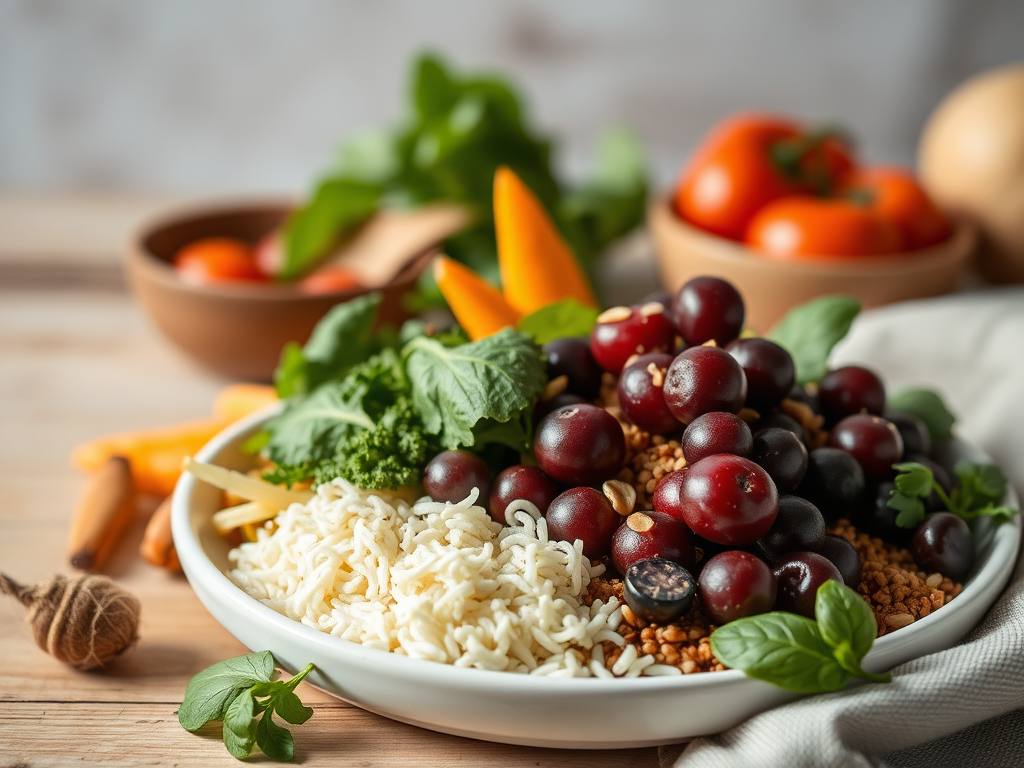
When creating superfood meal plans, prioritize a diverse selection of nutrient-rich ingredients to ensure a balanced intake of macronutrients and micronutrients. Incorporate superfoods like leafy greens, berries, and nuts while also including proteins, healthy fats, and carbohydrates to sustain energy levels. It's essential to consider individual dietary restrictions and preferences, as this enhances meal adherence and satisfaction. Additionally, aim for variety within your meals to maximize health benefits and avoid monotony, ensuring that no single food is relied upon for all nutritional needs.
Understanding Superfoods and Their Benefits
Superfoods are nutrient-dense foods that provide significant health benefits beyond basic nutrition. They are often rich in vitamins, minerals, antioxidants, and other essential compounds that can help reduce the risk of chronic diseases. Incorporating superfoods into meal plans can enhance overall health, support weight management, and boost energy levels. Understanding what qualifies as a superfood is crucial for creating effective meal plans.
Many people mistakenly believe that superfoods are a magic solution to health issues. However, it’s essential to recognize that while superfoods can be part of a healthy diet, they should complement a balanced intake of various foods. The key lies in diversity; no single food can provide all the nutrients the body needs. Thus, focusing on a variety of superfoods alongside other healthy choices is more beneficial than relying solely on a few high-profile options.
Key Ingredients to Include in Your Meal Plans
When formulating superfood meal plans, selecting the right ingredients is paramount. Some of the most celebrated superfoods include:
- Leafy Greens: Spinach, kale, and Swiss chard are packed with vitamins A, C, and K, along with minerals like iron and calcium.
- Berries: Blueberries, acai berries, and goji berries are rich in antioxidants that combat oxidative stress and inflammation.
- Nuts and Seeds: Almonds, chia seeds, and flaxseeds are excellent sources of healthy fats, protein, and fiber.
- Legumes: Lentils and chickpeas not only offer protein but also provide essential amino acids and fiber.
- Whole Grains: Quinoa and brown rice contribute to energy levels and provide a good source of complex carbohydrates.
Including these ingredients in your meal plans can enhance their nutritional profile. However, it’s also vital to consider personal dietary restrictions, preferences, and potential allergies to ensure the meal plans are both enjoyable and safe.
Nutritional Balance: Macronutrients and Micronutrients
Creating superfood meal plans requires an understanding of nutritional balance, which involves the proper ratio of macronutrients—proteins, fats, and carbohydrates—as well as sufficient micronutrients like vitamins and minerals. A well-rounded meal should ideally consist of:
- Proteins: Essential for muscle repair and overall health, sources can include lean meats, fish, legumes, and plant-based proteins.
- Healthy Fats: Important for brain health, sources like avocados, nuts, and olive oil should be included in moderation.
- Complex Carbohydrates: Whole grains and starchy vegetables provide sustained energy and fiber, aiding digestion.
Maintaining a balance of these macronutrients ensures that meals are not only nutritious but also satisfying. It’s important to avoid the common pitfall of focusing solely on superfoods while neglecting other essential food groups, as this can lead to nutrient deficiencies and an unbalanced diet.
Practical Strategies for Incorporating Superfoods
Incorporating superfoods into daily meals can be simple and enjoyable with the right strategies. Here are a few practical tips:
- Mix and Match: Combine different superfoods in smoothies, salads, or grain bowls to maximize nutritional intake.
- Batch Cooking: Preparing meals in advance can save time and ensure that superfoods are readily available throughout the week.
- Experiment with Recipes: Try new recipes that highlight superfoods, such as quinoa salads or smoothie bowls, to keep meals exciting.
- Focus on Seasonal Ingredients: Utilizing seasonal superfoods can enhance flavor and nutritional value while supporting local agriculture.
By implementing these strategies, individuals can enhance their meal plans with superfoods while ensuring they remain practical and enjoyable. Remember to listen to your body and adjust meal plans according to personal preferences and nutritional needs.
Frequently Asked Questions
What are superfoods?
Superfoods are nutrient-rich foods that provide health benefits beyond basic nutrition, often high in vitamins, minerals, and antioxidants.
How can I incorporate superfoods into my diet?
Incorporate superfoods by adding them to smoothies, salads, and grain bowls, or by experimenting with new recipes that highlight these ingredients.
Are there any risks associated with superfoods?
While superfoods offer health benefits, over-reliance on a few can lead to nutrient imbalances. It's essential to maintain a varied diet.
Can superfoods help with weight loss?
Superfoods can support weight loss by providing essential nutrients while being lower in calories, but they should be part of a balanced diet.
What should I consider when planning meals with superfoods?
Consider nutritional balance, dietary restrictions, and personal preferences when planning meals to ensure they are enjoyable and health-promoting.
Conclusion
Creating superfood meal plans involves understanding the unique benefits of these nutrient-dense foods, selecting a variety of key ingredients, and ensuring nutritional balance. By incorporating practical strategies and being mindful of personal preferences, anyone can enhance their meals with superfoods. Prioritize diversity and enjoyment in your meal planning to foster a sustainable and health-promoting dietary approach.
Related Content
- Terms of Use
- Issues With Superfoods That Claim Unrealistic Benefits: Common Misconceptions and Practical Insights
- Why Some Superfoods May Not Be Suitable for Seniors: Nutritional Challenges and Dietary Considerations
- How to Identify if Superfoods Are Genuinely Beneficial: Key Factors and Practical Evaluation Methods
- How to Assess the Nutritional Content of Superfood Powders: Key Metrics and Evaluation Methods