
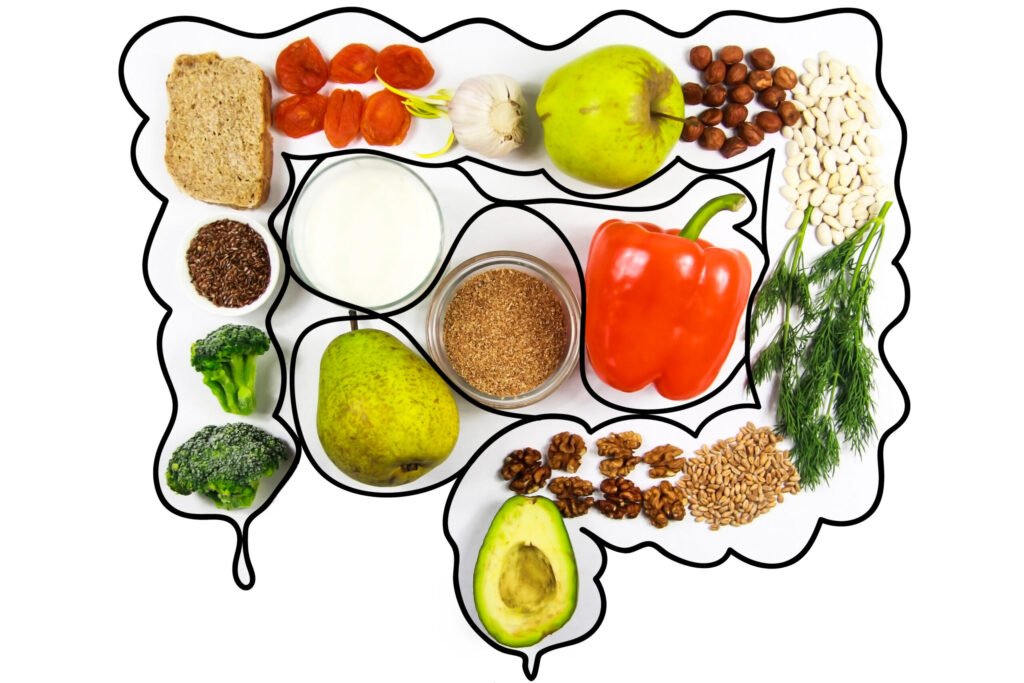
To balance superfoods with other food groups, incorporate a variety of nutrient-rich foods such as vegetables, whole grains, and lean proteins. This strategy ensures a comprehensive intake of essential nutrients. For example, combining superfoods like quinoa with diverse ingredients such as leafy greens and healthy fats, such as avocado, not only enhances nutrient absorption but also promotes overall health. Additionally, avoid the common mistake of relying solely on superfoods, as this can lead to nutrient gaps and missed health benefits from a varied diet. Emphasizing a balanced approach will support sustained energy and well-being.
Understanding Superfoods and Their Role
Superfoods are nutrient-dense foods that are believed to offer health benefits beyond basic nutrition. They are often rich in antioxidants, vitamins, and minerals. While superfoods like blueberries, kale, and chia seeds can enhance a healthy diet, they should not be the sole focus of one’s nutrition plan. The key to optimal health lies in a balanced diet that incorporates a variety of food groups, including proteins, carbohydrates, and healthy fats. This combination ensures that the body receives a wide array of nutrients necessary for overall well-being.
For example, while kale is celebrated for its high vitamin K and C content, it lacks sufficient protein and healthy fats. Therefore, combining it with a source of protein such as grilled chicken or chickpeas, as well as healthy fats from olive oil or nuts, creates a more balanced meal. This approach not only maximizes nutrient intake but also promotes satiety and energy throughout the day.
Integrating Superfoods with Other Food Groups
Integrating superfoods into a balanced diet involves understanding portion sizes and food combinations. It is essential to include a variety of food groups to ensure that all nutritional needs are met. An effective strategy is to use superfoods as a supplement to other food groups rather than the main component. For instance, adding a tablespoon of flaxseeds to a smoothie made with fruits, spinach, and yogurt can enhance the nutritional profile without overwhelming the meal.
When planning meals, consider the following combinations: pair quinoa (a whole grain) with black beans (a protein source) and spinach (a superfood) for a nutrient-rich bowl. This not only increases the meal’s fiber content but also provides a complete amino acid profile, which is vital for muscle repair and overall health. Additionally, incorporating healthy fats from sources like avocados or nuts can improve the absorption of fat-soluble vitamins present in superfoods.
Common Mistakes to Avoid
One common mistake when incorporating superfoods is viewing them as a cure-all for health issues. While they can be beneficial, relying solely on superfoods can lead to nutritional deficiencies. For example, a diet overly focused on kale might overlook other important nutrients found in grains, legumes, and fruits. It’s crucial to maintain variety in your diet to cover all nutrient bases.
Another pitfall is neglecting the importance of preparation methods. Cooking methods can affect the nutrient content of foods. For instance, boiling vegetables can lead to nutrient loss, while steaming or roasting may help retain more vitamins. Therefore, it’s important to consider how superfoods are prepared and served within the context of a meal.
Practical Tips for Meal Planning
To effectively balance superfoods with other food groups, meal planning is key. Start by creating a weekly menu that includes a variety of food groups. Aim for a plate that is half-filled with vegetables and fruits, one quarter with lean protein, and one quarter with whole grains. This visual guide can help ensure balanced meals.
Additionally, batch cooking superfoods can simplify meal preparation. For example, cook a large batch of quinoa or brown rice and store it in the fridge to use as a base for different meals throughout the week. This not only saves time but also encourages the inclusion of diverse ingredients, making it easier to maintain a balanced diet. Lastly, consider experimenting with new recipes that incorporate superfoods in creative ways, such as adding spirulina to smoothies or using acai in bowls topped with various fruits and nuts.
Frequently Asked Questions
What are superfoods?
Superfoods are nutrient-dense foods that provide health benefits, often rich in vitamins, minerals, and antioxidants.
How can I incorporate superfoods into my diet?
Incorporate superfoods by adding them to meals, such as mixing chia seeds into smoothies or using quinoa as a base for salads.
Are superfoods a substitute for a balanced diet?
No, superfoods should complement a balanced diet and not replace other food groups necessary for overall health.
What are some common superfoods?
Common superfoods include blueberries, kale, quinoa, chia seeds, and salmon, each offering unique health benefits.
How do I avoid common mistakes with superfoods?
Avoid focusing solely on superfoods; instead, integrate a variety of food groups to ensure a well-rounded nutrient intake.
Conclusion
Balancing superfoods with other food groups is essential for achieving optimal health. By incorporating a diverse range of foods, including proteins, whole grains, and healthy fats, you can ensure a well-rounded diet that maximizes nutrient intake. Focus on meal planning and preparation methods to create satisfying and nutritious meals. Remember to avoid common mistakes such as over-relying on superfoods and neglecting other essential nutrients. With these strategies, you can effectively balance your diet and enhance your overall well-being.
Related Content
- Misconceptions About the Efficacy of Superfood Powders: Common Mistakes and Real-World Implications
- Whole Food Nutrition: Why It’s Better Than Processed Diets
- Prebiotic Foods That Support Digestive Bacteria For Better Fiber Variety And Gut Tolerance
- Are Exotic Superfoods Better Than Local Whole Foods? A Comparative Analysis of Nutritional Value and Benefits
- How to Navigate Common Misconceptions About Superfoods: Understanding Nutritional Value and Practical Applications