
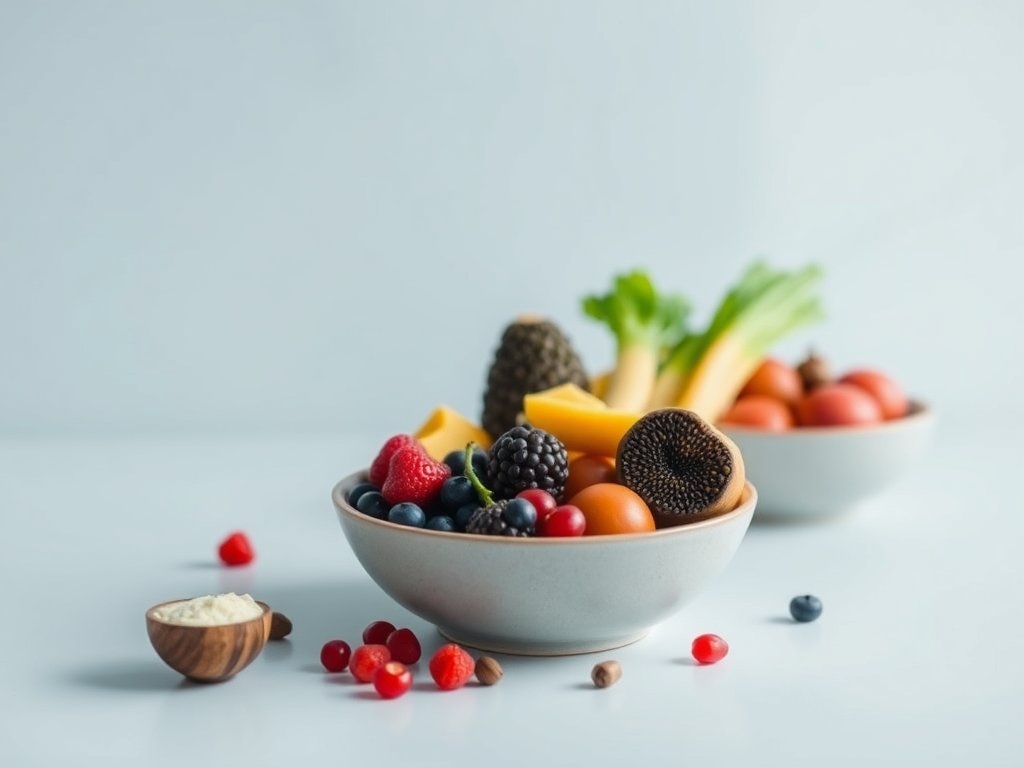
To effectively combine superfoods for maximum nutrition, focus on pairing foods that enhance nutrient absorption and provide a diverse range of vitamins and minerals. For example, combining vitamin C-rich foods like strawberries with iron-rich sources such as spinach can significantly boost iron absorption. Additionally, pairing healthy fats, like avocado, with antioxidant-rich foods, such as tomatoes, can enhance nutrient uptake. Be mindful of balancing flavors and textures to create enjoyable meals that maximize health benefits.
Understanding Nutrient Synergy
Nutrient synergy refers to how certain foods can work together to enhance the absorption and effectiveness of their respective nutrients. For instance, vitamin C can increase the absorption of non-heme iron found in plant-based foods, making it crucial for those following vegetarian or vegan diets. Recognizing these interactions is important when planning meals, as it allows individuals to maximize their nutritional intake.
Moreover, the concept of nutrient synergy isn’t limited to vitamins and minerals; it extends to phytonutrients and antioxidants as well. Certain combinations, such as turmeric with black pepper, not only enhance flavor but also increase the bioavailability of curcumin, the active compound in turmeric that offers anti-inflammatory benefits. Understanding these dynamics can significantly elevate one’s approach to nutrition.
Food Pairing Strategies for Health
When combining superfoods, consider these strategic pairings to enhance nutritional outcomes:
- Vitamin C and Iron: As mentioned, pairing foods high in vitamin C, like citrus fruits or bell peppers, with iron-rich foods such as lentils or spinach can boost iron absorption.
- Healthy Fats with Antioxidants: Foods rich in healthy fats, like avocado or nuts, can enhance the absorption of fat-soluble vitamins (A, D, E, K) found in colorful fruits and vegetables, such as carrots and kale.
- Fiber and Protein: Combining high-fiber foods, like beans, with protein sources, such as quinoa, can stabilize blood sugar levels and improve satiety, making meals more satisfying and nutritious.
These combinations not only enhance nutrient uptake but also create more balanced meals that contribute to overall health.
Common Mistakes to Avoid
Even with the best intentions, combining superfoods can lead to common pitfalls that diminish their nutritional benefits. Here are some mistakes to watch for:
- Ignoring Flavor Compatibility: While certain foods may be nutritionally complementary, they may not always taste good together. For instance, combining strong flavors such as sardines with sweet fruits can lead to unappetizing dishes.
- Overcomplicating Meals: Trying to include too many superfoods in one meal can overwhelm the palate and may lead to digestive discomfort. Focus on 2-3 key superfoods per meal for a more balanced approach.
- Neglecting Preparation Methods: The way food is prepared can affect nutrient availability. For example, cooking spinach can reduce oxalic acid levels, making calcium more bioavailable. Understanding how cooking methods affect nutrition can help optimize meals.
Practical Meal Ideas
Here are some practical meal ideas that effectively combine superfoods for maximum nutrition:
- Breakfast Smoothie: Blend spinach, banana, almond milk, and a scoop of chia seeds for a nutrient-dense breakfast. The spinach provides iron, while the banana offers potassium and the chia seeds add healthy omega-3 fats.
- Quinoa Salad: Toss cooked quinoa with black beans, diced bell peppers, corn, and a squeeze of lime. This combination provides protein, fiber, and a variety of vitamins.
- Stir-Fried Vegetables: Stir-fry broccoli, bell peppers, and carrots in olive oil, adding tofu or chicken for protein. This dish offers a colorful array of nutrients while the healthy fats help absorb vitamins.
By thoughtfully combining superfoods, you can create meals that are not only delicious but also maximize nutritional benefits.
Frequently Asked Questions
What are superfoods?
Superfoods are nutrient-dense foods that provide health benefits beyond basic nutrition, often rich in vitamins, minerals, and antioxidants.
How can I combine superfoods effectively?
Combine superfoods that enhance nutrient absorption, such as pairing vitamin C-rich foods with iron sources to boost absorption rates.
Are there any foods I should avoid combining?
Avoid combining foods that may clash in flavor or texture, and be mindful of preparation methods that may reduce nutrient availability.
Can I overconsume superfoods?
Yes, overconsumption of certain superfoods may lead to imbalances or digestive issues; moderation and variety are key.
What is nutrient synergy?
Nutrient synergy refers to how certain food combinations can enhance the absorption and effectiveness of nutrients, improving overall health benefits.