
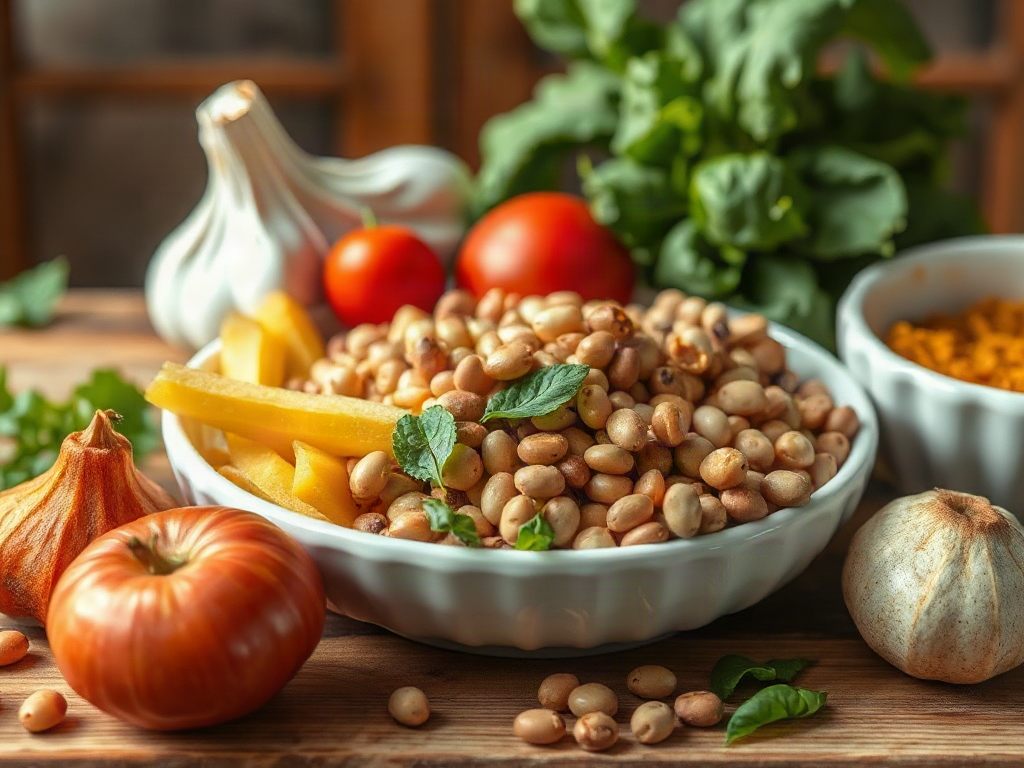
A macrobiotic diet emphasizes whole grains, vegetables, beans, and minimally processed foods while limiting animal products, refined ingredients, and foods viewed as outside its traditional framework. Its food principles can encourage fiber-rich meals and less reliance on highly processed products, but its limitations include possible shortfalls in vitamin B12, calcium, vitamin D, iodine, iron, protein, and dietary variety when followed rigidly. A practical version should include legumes, tofu or tempeh, seeds, fruit, and appropriate fortified foods. Children, pregnant people, older adults, and anyone with medical or nutritional concerns should seek individualized professional guidance before adopting a restrictive form.
Core Macrobiotic Food Principles
Macrobiotic eating is a predominantly plant-based pattern built around simple meals, seasonal ingredients, traditional preparation, and limited processing. Whole cereal grains commonly form the foundation, accompanied by vegetables, beans, fermented soy foods, soups, seeds, and modest amounts of fruit. Some interpretations permit occasional fish or other animal foods, while stricter versions exclude nearly all animal-derived ingredients.
The pattern is more than a list of allowed foods. Traditional macrobiotic practice also considers where food was grown, the season, cooking method, climate, and the perceived balance between contrasting food qualities. Those philosophical classifications are culturally important to the tradition, but they should not be treated as substitutes for established nutrient requirements. A meal can satisfy a traditional balance concept and still be low in vitamin B12, calcium, iodine, or total energy.
Its strongest practical feature is the emphasis on recognizable, minimally processed staples. Brown rice, barley, oats, buckwheat, lentils, chickpeas, cabbage, carrots, squash, leafy greens, tofu, and sesame seeds can create meals rich in fiber and varied plant compounds. Replacing refined snacks and heavily processed meals with these foods may improve overall dietary quality, particularly when the previous diet lacked vegetables and legumes.
The main mistake is equating “natural” or “whole” with nutritionally complete. Brown rice supplies useful carbohydrate and minerals, but it does not provide vitamin B12. Sea vegetables contain iodine, yet their iodine content may vary substantially by species, origin, and serving size. Sesame seeds contain calcium, but a small garnish may not contribute enough to meet daily needs. Nutrient adequacy depends on the complete pattern and realistic portions rather than the reputation of individual ingredients.
A sensible interpretation preserves the whole-food emphasis without treating every restriction as mandatory. People who enjoy grains, beans, cooked vegetables, and simple soups may find the pattern satisfying and affordable. Those with higher energy or protein needs, limited food access, digestive sensitivity to large amounts of fiber, or a history of restrictive eating may need a wider selection of foods. The useful principle is intentional simplicity; the risk begins when simplicity becomes unnecessary exclusion.
What Does a Macrobiotic Meal Include?
A workable macrobiotic meal combines a grain with a meaningful protein source, several vegetables, and enough fat to support energy intake and satisfaction. A bowl containing brown rice, tofu, steamed bok choy, roasted squash, and a tahini-based dressing is more nutritionally substantial than rice and vegetables alone. Miso soup can accompany the meal, although salty condiments should be used with awareness rather than assumed to be health-promoting in unlimited amounts.
Whole grains often occupy a prominent place because they provide carbohydrate, fiber, B vitamins, and minerals. Rotating rice with oats, barley, millet, rye, quinoa, or buckwheat broadens texture and nutrient exposure. People who rely almost exclusively on brown rice may unintentionally narrow the diet, even though the food itself is wholesome. Grain variety also makes the pattern easier to sustain and reduces dependence on one staple.
Beans and soy foods deserve deliberate attention rather than occasional use. Lentils, black beans, adzuki beans, chickpeas, tofu, tempeh, and edamame contribute protein, iron, zinc, and other nutrients. Protein needs can often be met with plant foods, but doing so becomes harder when portions are small, calories are inadequate, or legumes are restricted because of digestive discomfort. Gradually increasing beans, rinsing canned varieties, and trying tofu or tempeh may be more practical than abandoning an important food group.
Vegetables can be varied by color, plant family, and preparation. Cooked greens, cabbage, mushrooms, onions, root vegetables, and winter squash fit readily into the pattern. Raw produce is sometimes minimized in traditional versions, but there is no general need for every vegetable to be cooked. Cooking can improve tolerability and change the availability of certain compounds, while raw foods offer texture and convenience. A mixed approach is usually more adaptable than a rigid rule.
A simple meal-building checklist keeps the pattern grounded in nutritional function:
- Base: Choose one whole grain or starchy vegetable in a portion suited to appetite and energy needs.
- Protein: Add a substantial serving of beans, lentils, tofu, tempeh, fish if included, or another suitable option.
- Produce: Include at least two vegetables rather than relying on a token garnish.
- Fat and flavor: Use seeds, nut or seed butter, or an appropriate oil, while moderating salty sauces.
- Nutrient check: Account separately for vitamin B12, vitamin D, calcium, and iodine instead of assuming the meal covers them.
Signs that meals are functioning well include stable energy, comfortable fullness, adequate food variety, and the ability to eat socially without persistent anxiety. Recurrent hunger, unintended weight change, fatigue, or progressively eliminating more foods warrants reassessment rather than stricter adherence.
Where Can Nutrient Gaps Develop?
Nutrient shortfalls become more plausible as macrobiotic rules grow narrower. The concern is not that grains, vegetables, or legumes are poor foods; it is that a small set of plant foods may not reliably provide every nutrient in adequate amounts. Risk also changes with age, health status, total calorie intake, food preparation, fortified-food use, and whether fish, dairy, eggs, or supplements are included.
| Nutrient or concern | Why intake may be low | Practical points to check |
|---|---|---|
| Vitamin B12 | Unfortified plant foods are not reliable sources | Use a dependable fortified food or supplement plan with professional guidance |
| Calcium and vitamin D | Dairy may be excluded and some plant sources provide modest amounts | Check fortified plant beverages, calcium-set tofu, greens, and vitamin D intake |
| Iodine | Sea-vegetable content is variable, while iodized salt may be avoided | Avoid guessing from seaweed servings; discuss a consistent source if needed |
| Iron and zinc | Plant forms may be less readily absorbed | Include legumes, tofu, seeds, and vitamin C-rich produce; consider individual needs |
| Energy and protein | Bulky, high-fiber meals can fill the stomach before needs are met | Increase portions, protein foods, and energy-dense additions when appropriate |
Vitamin B12 requires particular attention because fermentation, sea vegetables, or trace contamination should not be assumed to provide a dependable amount. Someone eating a fully plant-based macrobiotic diet needs an intentional B12 source. The exact product and dose should be chosen using credible nutrition guidance and, when relevant, a clinician’s advice rather than informal claims about fermented foods.
Iodine illustrates a different problem: more is not automatically better. Sea vegetables can range widely in iodine concentration, making casual daily use an imprecise strategy. Avoiding iodized salt while consuming irregular quantities of kelp may produce less consistency, not more. People with thyroid conditions should be especially cautious about major changes in seaweed consumption and seek individualized medical guidance.
High fiber may support bowel regularity for some people, but a rapid increase can cause bloating, discomfort, or early fullness. That becomes consequential for children, older adults with low appetite, athletes, or anyone recovering from illness because a bulky plate may not contain enough energy. Softer grains, soups, tofu, smooth seed butter, and moderate portions of added fat can make meals more energy-dense without relying on highly refined products.
Laboratory testing is not automatically required for everyone, but symptoms such as persistent fatigue, weakness, numbness, frequent dizziness, or unintended weight loss should not be self-diagnosed as “detoxification.” Those signs can have many causes and deserve assessment by a qualified healthcare professional. A restrictive diet should never be used as a replacement for diagnosis or treatment.

How Can the Diet Be Followed More Flexibly?
A flexible macrobiotic approach retains the useful meal structure while adjusting exclusions to personal nutrition needs, culture, budget, and health. Begin with what the pattern adds—whole grains, legumes, vegetables, and home-cooked meals—before deciding which foods to remove. This reverses a common failure mode in which a person eliminates dairy, eggs, meat, fruit, nightshade vegetables, processed foods, and imported produce faster than suitable replacements are established.
Use a short food audit over several ordinary days. Record the main grain, protein source, vegetables, fats, fortified products, beverages, and snacks without trying to make the record look ideal. Then look for repetition. Rice at every meal, a tablespoon of beans, and vegetables cooked without fat may appear disciplined but can be too low in protein or energy for the individual. A better adjustment could be a larger tofu portion at lunch, lentil soup at dinner, fortified soy beverage with breakfast, and tahini added to vegetables.
Flexibility may also mean retaining selected animal foods. A person who eats fish occasionally follows a different version from someone who is fully vegan, and the nutrient planning will differ. Neither label establishes adequacy by itself. Fish may contribute protein, vitamin B12, and other nutrients, but it does not automatically correct low calcium, insufficient energy, or limited produce variety. Likewise, a vegan version can be workable only when reliable fortified foods or supplements cover nutrients that plants do not consistently supply.
Budget and availability matter. Dried beans, oats, brown rice, cabbage, carrots, frozen vegetables, and peanut or sesame butter can support a lower-cost pattern. Specialty seaweed, imported condiments, organic-only rules, and premium fermented products are not required for a meal to be nourishing. Frozen vegetables and canned beans can be reasonable alternatives when fresh seasonal produce is expensive or unavailable. Rinsing canned beans can reduce some sodium while preserving convenience.
Evaluate the pattern by function rather than purity. Useful signs include enough energy for daily activities, stable weight when weight change is not intended, regular meals, broad food variety, manageable digestion, and no escalating fear around ordinary ingredients. Warning signs include chronic hunger, social isolation, repeated dizziness, loss of strength, obsessive rule-making, or dependence on a very small list of acceptable foods.
Pregnancy, breastfeeding, childhood, adolescence, frailty, eating-disorder history, kidney disease, digestive disease, and other clinical circumstances raise the stakes. A registered dietitian or qualified clinician can help determine whether the pattern is appropriate and how to modify it. The goal is not to make the strictest version work at any cost; it is to preserve beneficial food habits without compromising nourishment or medical care.
Conclusion
Macrobiotic eating is most useful when its whole-grain, vegetable, legume, and minimally processed food emphasis serves as a flexible meal template rather than an inflexible purity system. Build meals around adequate protein, sufficient energy, varied produce, and practical sources of fat, then check nutrients that the pattern may not reliably supply—especially vitamin B12, calcium, vitamin D, iodine, iron, and zinc.
A brief review of ordinary meals can reveal more than the diet label: note portion sizes, fortified foods, repeated staples, symptoms, and unintended weight changes. Expand the menu or obtain professional advice when restriction is producing persistent hunger, fatigue, digestive problems, anxiety, or social difficulty. The soundest next step is to keep the constructive whole-food habits while modifying any rule that interferes with nutritional adequacy, medical needs, or sustainable daily eating.
Frequently Asked Questions
Is a macrobiotic diet the same as a vegan diet?
No. Many versions are largely plant-based, but some permit fish or other animal foods. Macrobiotic practice also adds ideas about seasonality, preparation, locality, and food balance that are not inherent to vegan eating.
Can a macrobiotic diet provide enough protein?
It may provide enough when meals contain substantial portions of beans, lentils, tofu, tempeh, or other protein sources and total calorie intake is adequate. Grain-and-vegetable meals with minimal legumes may fall short for some people.
Are sea vegetables a reliable iodine source?
Not necessarily. Iodine levels can vary considerably among seaweed types and products, so an occasional or unmeasured serving is difficult to use as a consistent intake strategy.
Does macrobiotic eating require organic food?
No. Some followers prefer organic or locally grown ingredients, but conventionally grown, frozen, and canned whole foods can still form practical, nutritious meals. Adequacy and accessibility matter more than a purity rule.
Who should be cautious with a strict macrobiotic diet?
Children, pregnant or breastfeeding people, older adults with low appetite, athletes, and people with medical conditions or a history of disordered eating should obtain individualized guidance before following a restrictive version.