
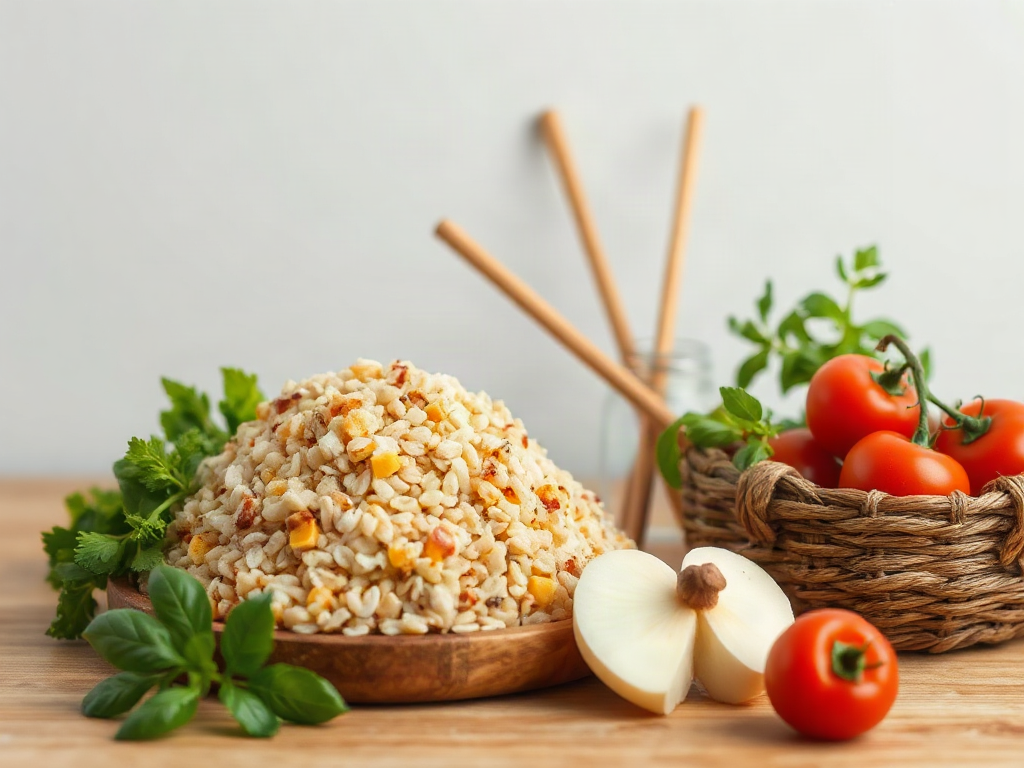
Macrobiotic recipes with balanced modern ingredients pair whole grains and seasonal vegetables with practical protein, healthy fat, and flavor choices that make meals more nutritionally complete and easier to sustain. Build each plate around brown rice, barley, or another intact grain, then add beans, tofu, tempeh, or fish if preferred. Include colorful produce, seeds or nuts, and modest amounts of fermented or sea vegetables rather than treating traditional ingredients as unlimited. Rotating ingredients matters because highly restrictive macrobiotic eating may leave gaps in vitamin B12, calcium, iron, iodine, protein, or dietary variety.
What Makes a Modern Macrobiotic Meal Balanced?
A useful modern macrobiotic plate keeps the tradition’s emphasis on minimally processed grains, beans, and vegetables without turning those principles into rigid exclusions. Brown rice, barley, millet, buckwheat, lentils, adzuki beans, tofu, leafy greens, roots, squash, mushrooms, seeds, and fermented seasonings all fit naturally. The modern adjustment is to assess what the entire meal supplies rather than assuming that a traditional combination is automatically complete.
Whole grains provide starch, fiber, texture, and several minerals, but a bowl dominated by rice can still be short on protein, fat, and vegetable variety. Pairing the grain with edamame or tempeh changes the meal’s staying power. Tahini, pumpkin seeds, walnuts, or a small amount of sesame oil adds fat and flavor. Cabbage, carrots, greens, and mushrooms contribute different textures and a broader mix of nutrients than a single cooked vegetable.
Balance also depends on proportion. A practical starting point is roughly one-third cooked whole grain, one-third vegetables, and one-third protein-rich food, with a sauce or garnish providing fat and acidity. That is a meal-building reference rather than a clinical prescription. Appetite, energy needs, age, activity, allergies, and health conditions can justify different portions. Someone doing physical work may want more grain; a person who finds large grain servings heavy may increase vegetables and tofu instead.
Seasonality can guide ingredient selection without becoming a rule that overrides availability or cost. Winter squash, cabbage, and stored roots make sense in cold months, while cucumbers, snap peas, and tender greens suit warmer weather. Frozen vegetables are a reasonable alternative when fresh produce is expensive or deteriorates before use. Convenience ingredients such as canned beans, frozen shelled edamame, and precooked brown rice can also preserve the meal’s whole-food structure.
A common mistake is equating macrobiotic with low-fat, low-protein, or entirely vegan eating. Those choices may suit some people, but they are not necessary for every recipe. A more reliable test is whether the finished plate contains an identifiable protein source, several plant types, enough energy to satisfy, and seasoning that does not depend solely on salty condiments.
How Do You Build a Macrobiotic Recipe?
Build a macrobiotic recipe in layers: choose the grain, select a substantial protein, add two or more vegetables, introduce a measured source of fat, and finish with acid, aromatics, or fermentation. This sequence prevents the familiar outcome of a worthy-looking bowl that tastes flat or leaves the eater hungry an hour later.
Start with an intact grain that matches the cooking window. Brown rice is versatile but takes longer unless prepared in advance. Pearled barley cooks more quickly than hulled barley, though it is less intact. Buckwheat groats and millet offer gluten-free alternatives, while quinoa is a modern addition that cooks relatively fast and contributes more protein than many common grains. People with celiac disease or gluten sensitivity should verify that grains and packaged ingredients are labeled appropriately for their needs.
Next, choose a protein that has enough presence to anchor the dish. Lentils work well in soups and warm salads because they cook without soaking. Tofu absorbs miso, ginger, citrus, and sesame flavors; baking or pan-searing gives it firmer edges. Tempeh offers a dense texture and fermented character. Eggs, fish, or poultry can be included by people using a flexible rather than vegan interpretation, although the meal can remain plant-forward.
Use vegetables for contrast rather than sheer quantity. Combining a sweet component, a green component, and an aromatic component creates a more complete dish: roasted squash with steamed kale and sautéed scallion is a simple example. Boiling everything together may be efficient, but it often produces similar textures and muted flavor. Roasting, steaming, blanching, and quick sautéing can be combined without making dinner unnecessarily elaborate.
Finish with a deliberately balanced sauce. Miso and tamari contain considerable sodium, so use them as concentrated seasonings rather than free-poured dressings. Dilute miso with water, rice vinegar, grated ginger, and tahini, then taste before adding more. Lemon, lime, vinegar, garlic, toasted sesame, scallions, and fresh herbs increase flavor without relying only on salt.
A compact assembly check keeps the process practical:
- Base: Choose one cooked whole grain or starchy vegetable.
- Anchor: Add beans, tofu, tempeh, eggs, or another preferred protein.
- Contrast: Use at least two vegetables with different colors or textures.
- Finish: Add a modest fat source plus acidity and aromatics.
- Review: Check whether the serving is satisfying without being overwhelmingly grain-heavy or salty.
Four Flexible Macrobiotic Recipe Ideas
Flexible recipes work better than fixed formulas because they accommodate season, budget, and what is already in the refrigerator. The following combinations retain a recognizable macrobiotic foundation while making protein, fat, flavor, and produce variety explicit.
Ginger-Miso Barley Bowl With Tempeh
Cook barley until tender and roast cubes of tempeh with mushrooms and sliced carrots. Add briefly steamed bok choy, then dress the bowl with a mixture of white miso, rice vinegar, ginger, water, and tahini. Barley supplies a chewy base, tempeh gives the dish substance, and tahini softens the sharpness of the fermented dressing. If sodium is a concern, reduce the miso and use extra vinegar, ginger, and water rather than adding tamari.
Millet, Red Lentil, and Squash Stew
Simmer red lentils with onion, diced winter squash, millet, turmeric, and enough water or unsalted broth to create a thick stew. Fold in chopped kale near the end and finish each serving with pumpkin seeds and lemon. Red lentils break down and bind the millet, so the dish becomes creamy without dairy. The usual failure is adding too much millet, which continues absorbing liquid; begin modestly and keep hot water available to adjust the consistency.
Brown Rice Bowl With Edamame and Crunchy Cabbage
Layer brown rice with shelled edamame, shredded red cabbage, cucumber, grated carrot, and toasted sesame seeds. A dressing of lime juice, grated ginger, a small spoonful of miso, and sesame oil brings the raw and cooked elements together. This bowl is useful for packed lunches because the sturdy vegetables hold their texture. Store the dressing separately, and cool cooked rice promptly rather than leaving it at room temperature for an extended period.
Buckwheat Noodles With Tofu and Greens
Serve chilled or warm buckwheat noodles with baked tofu, blanched greens, radishes, scallions, and a rice-vinegar sesame dressing. Check the package if gluten avoidance matters because many soba noodles combine buckwheat with wheat flour. For a higher vegetable-to-noodle ratio, use a smaller bundle of noodles and add mushrooms or shredded cabbage. Pure buckwheat noodles are more fragile, so gentle cooking and prompt rinsing help limit breakage.
Each recipe can be changed without losing its logic. Replace barley with brown rice, tempeh with tofu, kale with chard, or squash with sweet potato. The important distinction is substitution by function: exchange one protein for another protein, not tempeh for a low-protein vegetable; replace a fat-bearing garnish with nuts or seeds rather than omitting it automatically.

Which Nutritional Gaps Deserve Attention?
Restrictive versions of macrobiotic eating deserve closer nutritional review than flexible, varied versions. The concern is not that brown rice or vegetables are poor choices; it is that a short list of accepted ingredients can crowd out reliable sources of vitamin B12, calcium, vitamin D, iodine, iron, zinc, protein, and adequate energy. The more foods a person excludes, the more deliberately replacements need to be chosen.
Vitamin B12 requires particular attention in fully vegan patterns because unfortified plant foods are not considered dependable sources. Fortified foods or a suitable supplement may be needed, with individual guidance from a registered dietitian or clinician when appropriate. Fermented vegetables, tempeh, and sea vegetables should not be assumed to provide consistent B12.
Calcium can come from calcium-set tofu, fortified plant beverages, tahini, beans, and certain greens, but the amounts vary by product and serving. Reading labels is more useful than relying on a food’s reputation. Iron is present in lentils, tofu, beans, pumpkin seeds, and whole grains; pairing these with bell pepper, citrus, broccoli, or another vitamin C source may improve the usefulness of plant-based iron within a meal. Anyone with diagnosed deficiency or persistent symptoms needs professional assessment rather than recipe changes alone.
Sea vegetables need restraint as well as enthusiasm. Nori, wakame, kombu, and other varieties can differ substantially in iodine content, while some products may be high in sodium. Treating them as a required daily superfood is weaker practice than using small culinary amounts and varying the type. People with thyroid conditions or individualized iodine advice should discuss intake with their healthcare professional.
Signs that the approach needs adjustment include meals that repeatedly fail to satisfy, unintended weight change, an extremely narrow rotation of ingredients, dependence on salty miso or tamari for flavor, or anxiety around foods outside a rigid rule set. A simple corrective step is to review three days of meals and circle the protein source, fat source, produce variety, and fortified foods in each. Missing categories reveal more than whether a menu looks traditionally macrobiotic.
Children, pregnant people, older adults with low appetite, athletes, and anyone managing a medical condition may have needs that are difficult to meet through a restrictive template. A flexible whole-food pattern can often be adapted, but traditional rules should not take priority over adequate nourishment or individualized medical advice.
Conclusion
A workable macrobiotic kitchen is built on adaptable meal structure rather than dietary purity. Keep cooked grains and seasonal vegetables at the center, but give every main meal a clear protein source, a measured source of fat, and enough flavor contrast to make it satisfying. Rotate beans, tofu, tempeh, grains, greens, roots, seeds, and fermented seasonings instead of repeating rice and miso at most meals.
Begin with one bowl or stew and evaluate it after eating: Was it filling, varied, and enjoyable? If not, adjust the missing function rather than adding more of everything. Use fortified products or professional nutrition guidance when exclusions make vitamin B12, calcium, iodine, iron, or energy intake uncertain. The strongest modern approach preserves the whole-food emphasis while allowing convenience, cultural flexibility, and individual nutritional needs to shape the recipe.
Frequently Asked Questions
Do macrobiotic recipes have to be vegan?
No. Many are plant-based, but flexible interpretations may include fish, eggs, or other animal foods. The practical priority is a varied meal pattern that matches personal needs and preferences.
Is quinoa suitable for a modern macrobiotic meal?
Quinoa is not central to older Japanese-influenced menus, but it can serve as a useful modern whole-grain-style base, especially when quick cooking or gluten avoidance matters.
How can I make a macrobiotic bowl more filling?
Add a substantial protein such as tempeh, tofu, lentils, or edamame, plus tahini, seeds, nuts, or another fat source. Increasing rice alone may add energy without the same balance.
Can canned beans and frozen vegetables be used?
Yes. Rinsed canned beans and plain frozen vegetables reduce preparation time while preserving the meal’s basic structure. Compare labels when sodium or added sauces are concerns.
Should seaweed be included every day?
Not necessarily. Iodine levels differ greatly among sea vegetables, so modest, varied use is more prudent than treating large daily servings as a requirement.