
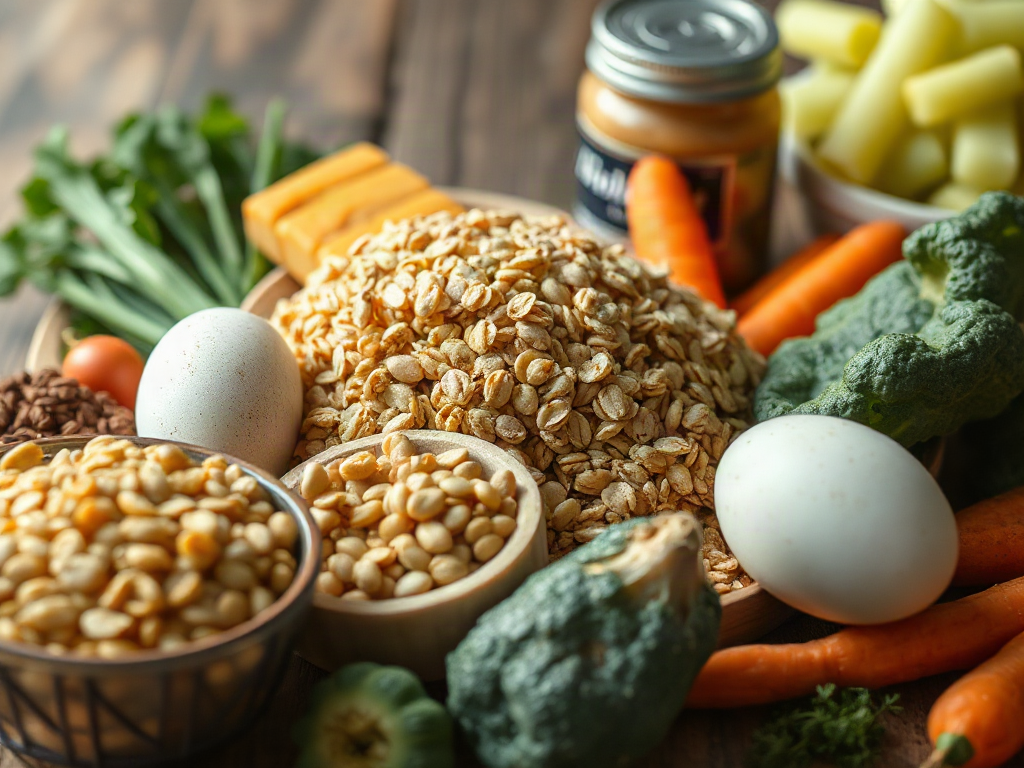
Nutrient-dense foods for low appetite provide substantial calories, protein, vitamins, and minerals without requiring large meals. Useful choices include eggs, Greek yogurt, nut butter, avocado, oily fish, beans, cheese, and fortified smoothies, with liquids taken between meals if drinks cause early fullness. Enrich familiar dishes with olive oil, powdered milk, tahini, or grated cheese rather than relying only on bulky vegetables or low-calorie drinks. Small meals every few hours may be easier than three full plates. Persistent appetite loss, unintended weight loss, swallowing difficulty, vomiting, or weakness warrants medical assessment because food changes alone may not address the underlying cause.
What Makes a Food Useful When Appetite Is Low
Low appetite changes the usual nutrition calculation: portion capacity becomes a limited resource. A large salad may contain valuable fiber, folate, and vitamin C, yet it can fill the stomach before providing enough energy or protein. When someone is eating only a few bites, each bite needs to contribute more than water and bulk.
Useful choices generally combine energy with protein or micronutrients. Eggs provide protein, fat, choline, and several vitamins in a compact form. Plain Greek yogurt supplies protein and calcium, while nut butter offers energy, unsaturated fat, protein, magnesium, and vitamin E. Avocado is calorie-dense and provides unsaturated fat, fiber, and potassium. No single item is nutritionally complete, so variety still matters even when portions are small.
Energy density and nutrient density overlap, but they are not identical. Butter, sugar, and cream can raise calories effectively, but they do not provide the same breadth of nutrients as eggs, dairy foods, legumes, nuts, seeds, fish, or avocado. Conversely, broth, raw vegetables, and diet drinks occupy stomach space with relatively little energy or protein. The practical goal is not to label foods as good or bad; it is to combine concentrated energy with meaningful nutrition.
Texture and tolerance can matter as much as nutrient content. Soft scrambled eggs may be manageable when grilled meat feels tiring to chew. Yogurt may work when smells from hot food cause nausea. A smoothie can be useful for someone who tolerates liquids, but it may worsen fullness if consumed beside a meal. The appropriate form depends on nausea, dry mouth, chewing ability, swallowing safety, bowel symptoms, and personal preference.
A common mistake is prioritizing vegetables so heavily that the meal becomes too bulky. Cooked vegetables can remain on the plate, but pairing them with olive oil, cheese, tahini, beans, or eggs gives the limited portion more value. Readers comparing nutrient-dense foods for low appetite should judge the whole serving by calories, protein, tolerance, and ease of eating—not by vitamin content alone.
High-Value Foods for Smaller Meals
Protein deserves early attention because small, inconsistent meals can make it difficult to consume enough. Eggs, strained yogurt, cottage cheese, milk, cheese, fish, poultry, tofu, and soft legumes are compact options that can be adapted to different textures. A person who cannot finish a chicken breast may tolerate egg salad, flaky salmon, lentil soup enriched with oil, or tofu blended into a sauce.
Higher-fat whole foods are useful when meal volume is the main barrier. Nut and seed butters spread easily on toast, stir into oatmeal, or blend into yogurt. Olive oil can be added after cooking to soup, mashed potatoes, pasta, or vegetables. Avocado works in sandwiches, dips, rice bowls, and smoothies. These additions raise energy without requiring another side dish, although very fatty meals can aggravate nausea, reflux, or delayed stomach emptying in some people.
Carbohydrate foods often provide an accessible base for enrichment. Oats can be cooked with milk instead of water and finished with peanut butter. Potatoes can carry olive oil, cheese, yogurt, or mashed beans. Rice and pasta become more substantial when paired with eggs, fish, tofu, pesto, or a creamy bean sauce. Whole grains offer fiber and micronutrients, but coarse or very high-fiber versions may feel excessively filling during a period of poor intake. A softer, lower-fiber option can be a reasonable short-term choice when tolerance is the immediate priority.
Compact combinations are often more successful than assembling a conventional full plate. Practical examples include:
- Greek yogurt with nut butter and fruit: protein, fat, carbohydrate, calcium, and potassium in a small bowl.
- Egg and avocado toast: a soft combination that balances protein, fat, and carbohydrate.
- Salmon with enriched mashed potato: protein and omega-3 fats paired with an easy-to-eat energy source.
- Hummus with pita and olive oil: plant protein, fat, and carbohydrate without a large serving.
Packaged nutrition drinks may be helpful when shopping, cooking, or chewing is difficult, but they should not automatically displace tolerated meals. Check protein, calories, added sugars, allergens, and serving size rather than assuming every product serves the same purpose. People with diabetes, kidney disease, fluid restrictions, or prescribed therapeutic diets may need individualized product selection. Whole foods provide texture and dietary variety; formulated drinks offer predictability and convenience. The better option is the one that safely closes an actual intake gap.
How to Increase Calories and Protein Without Increasing Volume
Food enrichment works by changing the composition of a familiar portion rather than making the portion larger. This is often easier than asking someone with early fullness to eat a second helping. The method can be applied to foods the person already accepts, which reduces the risk of preparing an ambitious meal that remains untouched.
Start by identifying what is regularly finished. If half a bowl of oatmeal is manageable, cook it with whole milk or fortified plant milk, then add nut butter or ground seeds. If soup is tolerated, add blended beans, olive oil, grated cheese, powdered milk, or soft tofu as appropriate for the flavor. Mashed potato can be enriched with milk, olive oil, cheese, or yogurt. These changes are more reliable than placing extra food beside the dish because they do not visibly increase the workload of eating.
A compact enrichment checklist keeps the process focused:
- Choose the accepted base: soup, oats, yogurt, eggs, rice, pasta, toast, or mashed vegetables.
- Add protein: milk powder, yogurt, egg, cheese, tofu, beans, fish, poultry, or nut butter.
- Add concentrated energy if needed: olive oil, avocado, tahini, pesto, nuts, seeds, or full-fat dairy.
- Adjust texture and temperature: blend, mash, chill, soften, or serve lukewarm when chewing, smell, or nausea interferes.
- Review what was actually eaten: keep additions that improve intake and remove those that make the food too rich or unappealing.
Fortified smoothies can combine milk or soy milk, yogurt, nut butter, oats, and fruit in a modest volume. They are not ideal for everyone. Large smoothies, ice-heavy blends, and drinks diluted with water can become too bulky. Raw eggs should not be used as an easy protein shortcut because of food-safety concerns; pasteurized products or cooked ingredients are safer choices.
Enrichment can fail when every dish becomes excessively fatty, sweet, or strongly flavored. Appetite may decline further if meals taste uniformly rich. Alternate richer items with fresh or tart flavors, such as yogurt with berries or fish with lemon, when tolerated. Tracking body weight trends, strength, meal completion, and gastrointestinal symptoms offers more useful feedback than judging a plan by its ingredient list. A workable approach to nutrient-dense foods for low appetite should increase the amount consumed, not merely improve the theoretical nutrition of food left on the plate.
A Practical Eating Schedule for Early Fullness
Small eating opportunities spaced through the day can reduce the pressure attached to full meals. Someone who manages only six or eight bites at once may obtain more nutrition from breakfast, a midmorning snack, lunch, an afternoon snack, dinner, and a small evening option than from three oversized plates. The portions do not need to look like complete meals each time.
Appetite is often strongest at a particular time of day. Use that window for the most substantial meal rather than preserving the largest plate for dinner by convention. If breakfast is easiest, eggs with toast and avocado may be more valuable than tea alone. If nausea is worse early in the day, a cold yogurt bowl or a later breakfast may be more realistic. Medication timing, pain, fatigue, constipation, and food odors can all influence when eating feels possible.
Drinks require deliberate timing. Hydration remains necessary, but a large mug of tea, water, or broth immediately before food may create early fullness. Sipping fluids between meals may preserve more room for food. This should not be used to restrict fluids, particularly during fever, diarrhea, vomiting, or hot weather. People with prescribed fluid limits need advice from their clinical team rather than a general hydration schedule.
Preparation burden is another common failure point. A theoretically ideal meal has no value if fatigue prevents cooking. Keep several low-effort options available: individual yogurt cups, hard-boiled eggs, nut butter, cheese, hummus, canned fish, microwaveable rice, frozen cooked vegetables, and shelf-stable milk. Food safety still applies; perishable items should be refrigerated promptly, and leftovers should not be kept indefinitely.
Signs that the schedule is working include finishing a greater share of portions, less discomfort after eating, steadier energy, and stabilization of unintended weight loss. Signs it is failing include skipped eating periods, persistent nausea, worsening constipation, food avoidance, or reliance on drinks that suppress interest in meals. Adjust one variable at a time—portion size, timing, texture, temperature, or enrichment—so it is possible to identify what improves tolerance.
Warning Signs and Situations Requiring Individual Care
Reduced appetite is a symptom rather than a diagnosis. Short periods can occur with an acute illness, stress, medication changes, dental discomfort, or disrupted routines. Ongoing appetite loss may also accompany depression, digestive disorders, infection, chronic disease, altered taste or smell, pain, or swallowing problems. Increasing calories may help protect intake, but it does not identify or treat the cause.
Seek prompt medical advice when poor appetite is persistent, worsening, or accompanied by unintended weight loss, pronounced weakness, dehydration, repeated vomiting, severe abdominal pain, black or bloody stool, fever, confusion, or difficulty swallowing. Coughing or choking with meals, a wet-sounding voice after drinking, or food repeatedly feeling stuck requires assessment rather than experimentation with thicker or thinner textures at home.
Older adults, children, pregnant people, and individuals receiving cancer treatment or living with kidney, liver, heart, or metabolic conditions have additional constraints. For example, a high-protein drink may be appropriate for one person but conflict with another person’s renal plan. Grapefruit can interact with certain medicines, while some supplements contain amounts of vitamins or minerals that are unnecessary or unsuitable. A registered dietitian or medical team can match intake goals to medical history, medications, laboratory findings, and swallowing safety.
Supplements should not be treated as automatic substitutes for food. Multivitamins do not provide protein or meaningful energy, and herbal appetite products may have side effects or interactions. Prescribed appetite stimulants also involve tradeoffs and belong in a clinician-led discussion. Food-first enrichment is often practical when regular foods remain safe and tolerated, while oral nutrition products may become more useful when intake remains inadequate despite those changes.
Bring concrete information to an appointment: how long the appetite change has lasted, foods and amounts usually consumed, weight changes, nausea or bowel symptoms, swallowing concerns, and recent medication changes. A short food record can reveal whether the main deficit is total energy, protein, fluids, or all three. That distinction makes professional advice more targeted and helps determine whether nutrient-dense foods for low appetite are sufficient or whether broader evaluation is needed.
Frequently Asked Questions
What should I eat first when I have very little appetite?
Prioritize a tolerated protein-rich food, such as eggs, Greek yogurt, cheese, fish, tofu, or nut butter, then add an energy-rich accompaniment such as toast, avocado, rice, or olive oil.
Are smoothies good when appetite is low?
A modest smoothie can provide protein and energy if made with milk or soy milk, yogurt, nut butter, oats, or fruit. Avoid making it so large or diluted that it causes uncomfortable fullness.
How often should someone with low appetite try to eat?
Small meals or snacks every few hours may be easier than three large meals. Use the time of day when appetite is strongest for the most substantial food.
Can I rely on nutrition drinks instead of meals?
Nutrition drinks can fill gaps when eating is difficult, but they should not automatically replace tolerated foods. Medical conditions, allergies, fluid limits, and nutrient needs may affect product choice.
When does appetite loss need medical attention?
Contact a healthcare professional when appetite loss persists, causes unintended weight loss, or occurs with weakness, dehydration, vomiting, pain, bleeding, confusion, choking, or difficulty swallowing.
Further Reading
Authoritative Sources
- MyPlate
myplate.govUSDA food-group information can help readers maintain variety while concentrating meals into smaller portions
- Healthy Eating, Nutrition, and Diet
nia.nih.govThe National Institute on Aging provides practical nutrition information relevant to older adults experiencing changes in food intake
- Nutrition in Cancer Care
cancer.govThe National Cancer Institute explains nutrition concerns that can arise when illness or treatment affects appetite and eating
- FoodData Central
fdc.nal.usda.govUSDA nutrient data allow readers to compare the calories, protein, vitamins, and minerals in specific foods
Conclusion
Limited appetite makes meal volume valuable, so prioritize foods that deliver protein, energy, and micronutrients in portions the person can comfortably finish. Build around accepted foods, enrich them with ingredients such as olive oil, nut butter, eggs, dairy, tofu, beans, fish, or avocado, and schedule smaller eating opportunities during the strongest appetite window. Monitor actual intake and tolerance rather than assuming a nutritionally impressive recipe is effective.
Change one element at a time and watch for better meal completion, steadier energy, and stable weight. If rich foods worsen nausea or fullness, adjust fat content, texture, temperature, or drink timing. Persistent appetite loss or concerning symptoms deserves clinical evaluation, particularly when weight, hydration, swallowing, medication interactions, or a therapeutic diet is involved.
Related Content
- Which Superfoods Support Endurance and Physical Performance: Essential Nutrients for Athletic Success
- Alternative Superfoods for Common Dietary Restrictions: Foods, Nutritional Benefits, and Preparation Tips
- How to Balance Superfoods With a Low-Calorie Diet: Essential Foods and Practical Strategies
- High-Protein Meals That Support Weight Loss With Satisfying Ingredients and Smart Portions
- Low-Oxalate Foods for Meal Planning: A Portion-and-Swap Checklist