
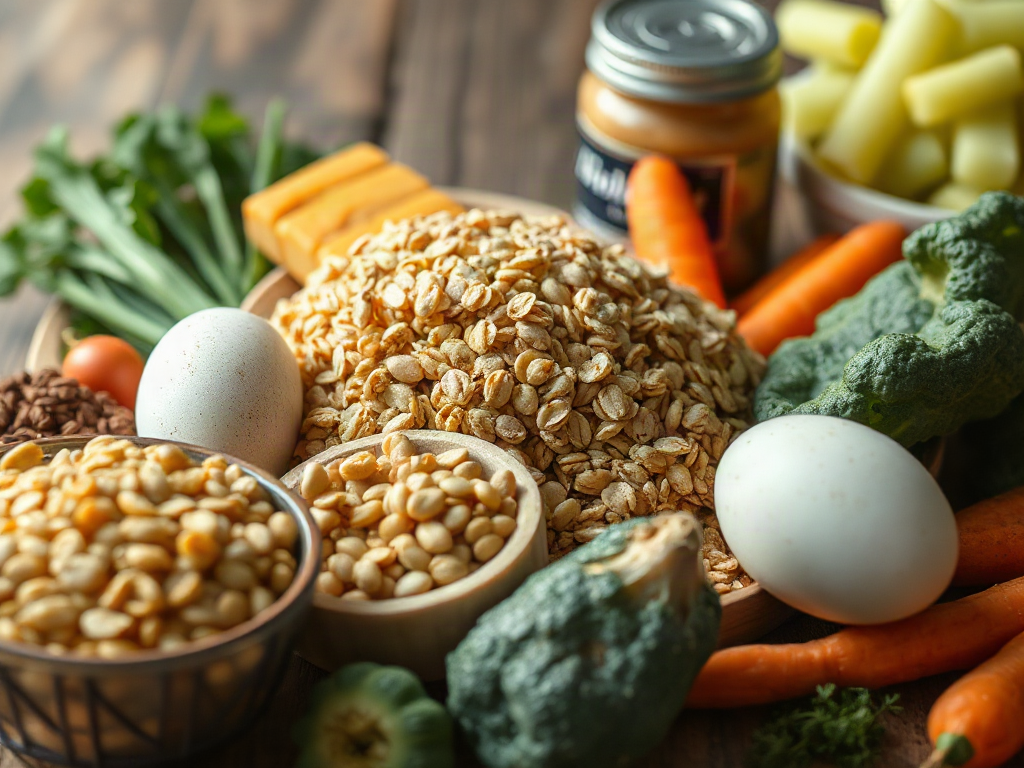
Healthy cheap foods with strong nutritional value include dried lentils, beans, oats, eggs, potatoes, cabbage, carrots, canned fish, peanut butter, and frozen vegetables because they combine useful nutrients with low waste and flexible meal options. The strongest buys provide protein, fiber, vitamins, or minerals without relying on expensive specialty products. Compare edible portions rather than package prices: boneless meat may cost less per serving than a cheaper bone-in cut, while dried beans usually outperform single-serving convenience foods. Prioritize staples that work across several meals, store safely, and complement one another, such as lentils with rice or oats with peanut butter and fruit.
How to Judge Nutrition Against Real Cost
A low shelf price does not automatically make a food economical. The more useful comparison is the cost of the edible portion, the nutrients it contributes, how many meals it can cover, and whether it is likely to be eaten before spoiling. A large bag of oats may supply many breakfasts, for example, while an inexpensive pastry provides only one serving and contributes little protein or fiber.
Start by identifying the nutritional job a purchase needs to perform. Protein foods should provide a meaningful amount of protein per serving. Staple carbohydrates become more useful when they also supply fiber, potassium, iron, or other micronutrients. Fruits and vegetables earn their place by adding vitamins, minerals, fiber, and variety rather than simply increasing food volume.
Package size can obscure value. Dried lentils generally require cooking but have a long shelf life and expand substantially in water. Canned beans cost more per cooked portion, yet they save time and fuel and may be more realistic for someone with limited kitchen access. The cheapest theoretical choice is not the best choice if preparation demands cause it to remain unused.
Waste changes the calculation as well. A delicate vegetable bought on sale is expensive if half of it spoils. Cabbage, carrots, onions, potatoes, and frozen vegetables tolerate delayed meal plans better than tender greens or ripe berries. Frozen produce is especially useful for households that cook irregularly because only the needed amount has to be removed from the package.
Use this compact check before buying:
- Cost: Compare unit prices and estimate the number of edible servings.
- Nutrition: Look for protein, fiber, vitamins, or minerals rather than calories alone.
- Shelf life: Match the storage period to how often the household cooks.
- Versatility: Favor ingredients that fit several breakfasts, lunches, or dinners.
- Preparation: Account for cooking time, equipment, energy, and skill.
A common mistake is treating every inexpensive calorie as equal. Oil, refined noodles, and sugary products can stretch a budget, but they do not cover the same nutritional ground as beans, oats, eggs, or vegetables. Cost-conscious eating works better when calorie sources are paired with foods that contribute protein, fiber, and micronutrients. That principle anchors sensible choices among Healthy cheap foods with strong nutritional value.
The Best Low-Cost Staples for Protein and Fiber
Beans, lentils, eggs, canned fish, peanut butter, oats, and plain dairy are among the most dependable budget foods because each performs more than one nutritional job. Their prices vary by store and region, but they are widely available, relatively filling, and easy to combine with basic grains or vegetables.
Dried lentils are particularly efficient. They cook faster than most dried beans, require no soaking, and provide plant protein, fiber, iron, and folate. Red lentils soften into soups and sauces, while green or brown lentils retain more texture for bowls and salads. Canned lentils or beans are a practical alternative when time matters; draining and rinsing them can reduce some of the sodium in the packing liquid.
Eggs provide protein plus nutrients such as choline and vitamin B12. They can turn leftover rice, potatoes, or vegetables into a complete meal without requiring a large amount of meat. Price and dietary needs still matter, and eggs should not be assumed to replace every nutrient found in fish, legumes, or dairy. Variety gives better coverage than depending on a single protein source.
Canned sardines, salmon, tuna, and other fish offer protein and, depending on the species, omega-3 fats, vitamin D, calcium, or vitamin B12. Sardines and canned salmon with edible bones can contribute calcium. Tuna is familiar and versatile, but rotating fish choices is preferable to eating the same species continuously; official guidance may differ for children, pregnancy, and other situations because mercury content varies among fish.
Peanut butter is energy-dense rather than low-calorie, which can be useful when the budget is tight or appetite is limited. It supplies protein and unsaturated fat, although portions add up quickly and sweetened varieties may contain more added sugar. Spread it on whole-grain toast, stir it into oats, or thin it into a sauce for vegetables and noodles.
Oats provide soluble fiber and can serve as breakfast, a savory grain bowl, or a binder in patties. Plain yogurt and milk add protein and calcium when refrigeration is available, while shelf-stable powdered milk may reduce waste in some households. The weak approach is buying several protein bars or flavored single-serve cups because they appear convenient. Comparing their cost per serving with eggs, oats, yogurt, or beans often reveals a substantial convenience premium.
Signs that a protein strategy is working include having at least two ready-to-use options at home and being able to assemble a meal without another shopping trip. If dried legumes repeatedly remain uncooked, shift some of the budget to canned beans, eggs, or refrigerated leftovers. Paying slightly more for food that gets eaten is less wasteful than buying the lowest-priced ingredient in an unusable form.
Affordable Produce With Minimal Waste
Produce value depends heavily on season, durability, and usable yield. Cabbage, carrots, onions, potatoes, sweet potatoes, bananas, apples, canned tomatoes, and frozen vegetables often perform well because they fit many dishes and are less fragile than highly perishable produce. Local prices should decide the final basket rather than any fixed ranking.
Cabbage can be shredded for slaw, sautéed with beans, added to soup, or roasted. It supplies vitamin C, vitamin K, and fiber while usually keeping longer than bagged salad leaves. Carrots and onions form an inexpensive flavor base and withstand storage well. Potatoes provide potassium, vitamin C, and carbohydrate; retaining the skin when appropriate adds fiber, though preparation matters more than labeling the potato as inherently healthy or unhealthy.
Frozen vegetables are nutritionally credible options, not inferior backups. They are commonly processed soon after harvest and eliminate trimming losses. A frozen mixture can go directly into soup, fried rice, pasta sauce, or an omelet. Choose plain vegetables when possible if the goal is to control sodium, saturated fat, or sauce ingredients. Canned tomatoes, pumpkin, corn, peas, and green beans also have useful roles, especially where freezer space is limited.
Fresh produce remains worthwhile when it will be used promptly or when texture matters. Bananas are convenient and inexpensive in many markets, but buying a large bunch is false economy if several over-ripen. Purchase different stages of ripeness, freeze peeled extras for oatmeal or smoothies, or choose longer-lasting apples and oranges. Seasonal produce may be cheaper, although a sale price should still be checked against condition and realistic use.
Color variety is a practical way to broaden nutrient intake, but every meal does not need an elaborate rainbow. A weekly basket containing dark leafy vegetables, orange vegetables, tomatoes, and one or two fruits can be more realistic than purchasing many small amounts. Frozen spinach, carrots, canned tomatoes, and bananas can cover those roles without premium pricing.
The common failure is choosing produce aspirationally rather than operationally. Someone planning three cooked dinners may use a whole cabbage and a bag of frozen broccoli more reliably than five delicate salad ingredients. Store potatoes away from light, keep onions separately from potatoes where possible, refrigerate cut produce promptly, and freeze items before deterioration becomes obvious. These habits make Healthy cheap foods with strong nutritional value economical in practice rather than only at checkout.
Building Better Meals From a Small Grocery Basket
A strong budget basket is built around complementary ingredients rather than isolated bargain items. Begin with one or two protein anchors, add a durable starch, choose several vegetables in fresh, frozen, or canned form, and include a small number of flavor builders. This creates repeatable meal components without forcing every meal to taste identical.
Consider a basket containing oats, eggs, dried lentils, canned fish, brown or white rice, potatoes, cabbage, carrots, onions, frozen spinach, bananas, peanut butter, canned tomatoes, and plain yogurt. Exact choices should change with prices, allergies, cultural preferences, storage, and cooking facilities. From that basket, oats can be paired with banana and peanut butter; lentils can become tomato soup or a rice bowl; eggs can top sautéed cabbage and potatoes; canned fish can be mixed into potato cakes or served with rice and vegetables.
White rice is sometimes dismissed because brown rice contains more fiber and certain micronutrients. Yet white rice may cook faster, cost less locally, and be easier for some people to digest. Pairing it with beans, lentils, vegetables, eggs, or fish improves the meal’s nutritional balance. The useful question is not whether one staple is perfect, but whether the complete plate covers protein, produce, and sufficient energy.
Flavor determines whether economical ingredients remain in rotation. Onions, garlic, dried herbs, curry powder, chili, vinegar, mustard, or a modest amount of cheese can make repeated staples more appealing. Spices have an upfront cost, so buying a few blends suited to familiar meals may be smarter than collecting many jars. Salt can enhance basic foods, but people managing blood pressure, kidney disease, or other conditions may need individualized guidance about sodium and potassium.
Batch cooking can lower effort, but oversized batches create waste when everyone tires of the same dish. Cook a neutral base—such as lentils, rice, or roasted vegetables—then vary sauces and toppings. Refrigerate leftovers promptly, use shallow containers for quicker cooling, and freeze portions that will not be eaten soon. Food safety should not be sacrificed to save a small amount of money.
Review the basket after a week. Empty containers and produce used before spoilage are stronger signals than an ambitious shopping list. If breakfasts run out first, increase oats, eggs, or yogurt. If vegetables remain untouched, buy smaller quantities or switch to frozen forms. If meals feel unsatisfying, check whether each contains enough protein, fiber, fat, and total energy rather than assuming healthy eating must leave a person hungry. Budget planning is succeeding when staple foods are consumed consistently, meals can be assembled with little friction, and emergency convenience purchases become less frequent.
Frequently Asked Questions
What is the cheapest food with the most nutritional value?
No single food covers every need, but lentils are a strong contender because they provide protein, fiber, iron, and folate at a generally low cost. Eggs, oats, potatoes, and canned fish fill different nutritional gaps.
Are canned and frozen foods less nutritious than fresh foods?
Not necessarily. Plain frozen produce and many canned foods retain valuable nutrients and often reduce waste. Check canned products and prepared frozen items for added sodium, sugar, or rich sauces.
How can I eat enough protein on a tight budget?
Rotate lentils, beans, eggs, peanut butter, canned fish, milk, and plain yogurt according to local prices. Combining legumes with grains across the day provides a useful range of essential amino acids.
Is buying in bulk always cheaper?
Bulk purchasing saves money only when the unit price is lower and the food can be stored and consumed safely. A smaller package is better value when space is limited or a large quantity may spoil.
Which inexpensive foods last the longest?
Dried beans, lentils, oats, rice, peanut butter, canned fish, and canned tomatoes keep well when stored properly. Cabbage, carrots, onions, potatoes, apples, and frozen vegetables are durable produce choices.
Conclusion
Better budget nutrition comes from matching every purchase to a clear role: protein, fiber-rich starch, produce, flavor, or cooking fat. Lentils, oats, eggs, potatoes, cabbage, carrots, canned fish, peanut butter, and frozen vegetables are useful starting points, but local unit prices and household habits should determine the final choices. Buy forms that fit available time and equipment, even when the absolute cheapest option requires more preparation. Plan a few flexible meals before shopping, store food correctly, and review what was actually eaten at the end of the week. Reduce quantities that repeatedly spoil and increase the staples that disappear first. A modest basket becomes nutritionally stronger when ingredients complement one another and remain practical enough to use consistently.
Related Content
- Superfoods That May Cause Allergic Reactions: Identifying Risks and Symptoms
- What To Do If Superfoods Disrupt Your Daily Routine: A Practical Reset Plan
- Steps to Take If Superfoods Are Not Improving Your Energy Levels: Identifying Causes and Adjustments
- What should be on a whole food nutrition checklist?
- Common Mistakes When Choosing Whole Food Superfoods: Key Factors and Practical Insights