
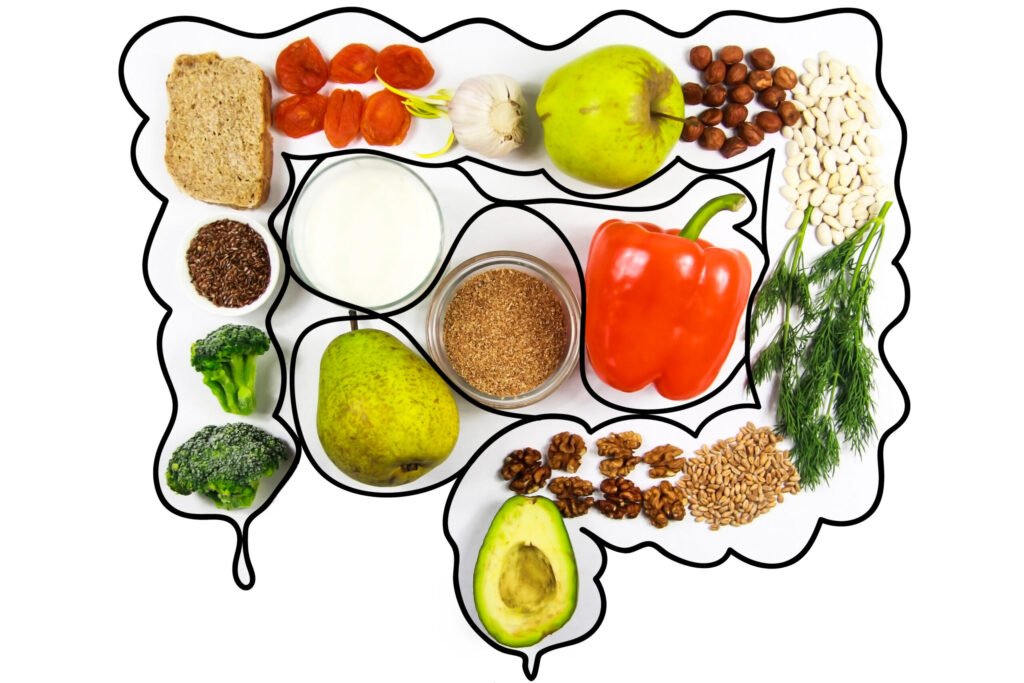
Superfoods can interact with medications in ways that may enhance or inhibit their effectiveness. For example, garlic may amplify the effects of blood thinners, while grapefruit can interfere with the metabolism of various drugs, potentially leading to harmful side effects. It is essential for individuals taking medications to consult healthcare professionals before incorporating superfoods into their diet, as certain nutrient-rich foods can significantly alter medication absorption and efficacy. Monitoring dietary intake and understanding these interactions can help prevent adverse reactions and ensure optimal therapeutic outcomes.
Understanding Superfoods and Their Nutritional Profile
Superfoods are nutrient-dense foods that offer health benefits beyond basic nutrition. They are often rich in vitamins, minerals, antioxidants, and other beneficial compounds. Examples include berries, leafy greens, nuts, and seeds. The high concentration of bioactive compounds in these foods can influence various bodily functions, including metabolism and inflammation, which is where interactions with medications can occur.
Recognizing the nutritional profile of superfoods is essential as these compounds can enhance health but may also alter how certain medications are processed in the body. For instance, superfoods high in vitamin K, like kale and spinach, can interfere with blood thinners such as warfarin, necessitating careful dietary management.
Common Superfood-Drug Interactions
Several superfoods are known for their potential to interact with medications. For example, grapefruit is notorious for its ability to inhibit enzymes that metabolize numerous drugs, including statins and some antihypertensives. This can lead to elevated drug levels in the bloodstream, increasing the risk of side effects.
Similarly, turmeric, known for its anti-inflammatory properties, can affect blood clotting when taken with anticoagulants. Other superfoods, such as garlic, can enhance the effects of blood thinners, which may require dosage adjustments. Understanding these interactions is crucial for anyone taking medication alongside superfoods.
Mechanisms of Interaction
The interactions between superfoods and medications often occur through various biological mechanisms. One significant way is through the modulation of drug-metabolizing enzymes in the liver, particularly the cytochrome P450 system. For instance, compounds in grapefruit can inhibit these enzymes, leading to slower drug metabolism and increased drug concentrations in the body.
Additionally, superfoods may alter the absorption of medications in the gastrointestinal tract. High-fiber foods can slow down the absorption of certain drugs, while fatty foods can enhance the absorption of fat-soluble medications. These mechanisms highlight the importance of timing and dietary choices when incorporating superfoods into a medication regimen.
Practical Guidance for Combining Superfoods and Medications
When considering the addition of superfoods to a diet that includes medications, it’s vital to take a cautious approach. First, consult with a healthcare provider to discuss potential interactions. Keeping a food diary can also help track what superfoods are consumed alongside medications.
A few practical tips include:
- Space out the consumption of superfoods and medications to minimize interaction risks.
- Research specific superfoods and their known effects on medications.
- Monitor for any changes in medication effectiveness or side effects when introducing new superfoods.
By being informed and proactive, individuals can safely enjoy the benefits of superfoods while managing their medication regimens effectively.
Frequently Asked Questions
Can superfoods enhance the effectiveness of medications?
Yes, some superfoods can enhance medication effects, such as garlic with blood thinners. However, this can also increase the risk of side effects.
Are there any superfoods I should avoid while on medication?
Grapefruit is a common superfood to avoid as it can interfere with several medications, leading to increased side effects.
How can I safely incorporate superfoods into my diet with medications?
Consult with a healthcare provider and monitor how your body responds when adding superfoods to your diet.
What should I do if I experience side effects when combining superfoods with medications?
Contact your healthcare provider immediately if you notice any side effects to assess the situation and make necessary adjustments.
Are all superfoods safe to consume with medications?
No, not all superfoods are safe with medications. Each superfood can have unique interactions based on its biochemical properties.
Conclusion
Understanding how superfoods interact with medications is essential for maximizing health benefits while minimizing risks. By identifying potential interactions and consulting with healthcare professionals, individuals can safely integrate superfoods into their diets. Prioritizing informed choices and monitoring any changes will lead to a more balanced and health-conscious approach to nutrition and medication management.
Related Content
- How to Modify Superfood Intake for Specific Diets With Foods, Portions, and Timing
- Is a Greens Powder Worth It? (Pros and Cons You Should Know)
- How can i compare different whole food diets?
- What To Do If You Feel Bloated After Consuming Superfoods: Causes, Remedies, and Dietary Adjustments
- What To Prioritize When Incorporating Whole Foods: A Practical Meal-Building Checklist