
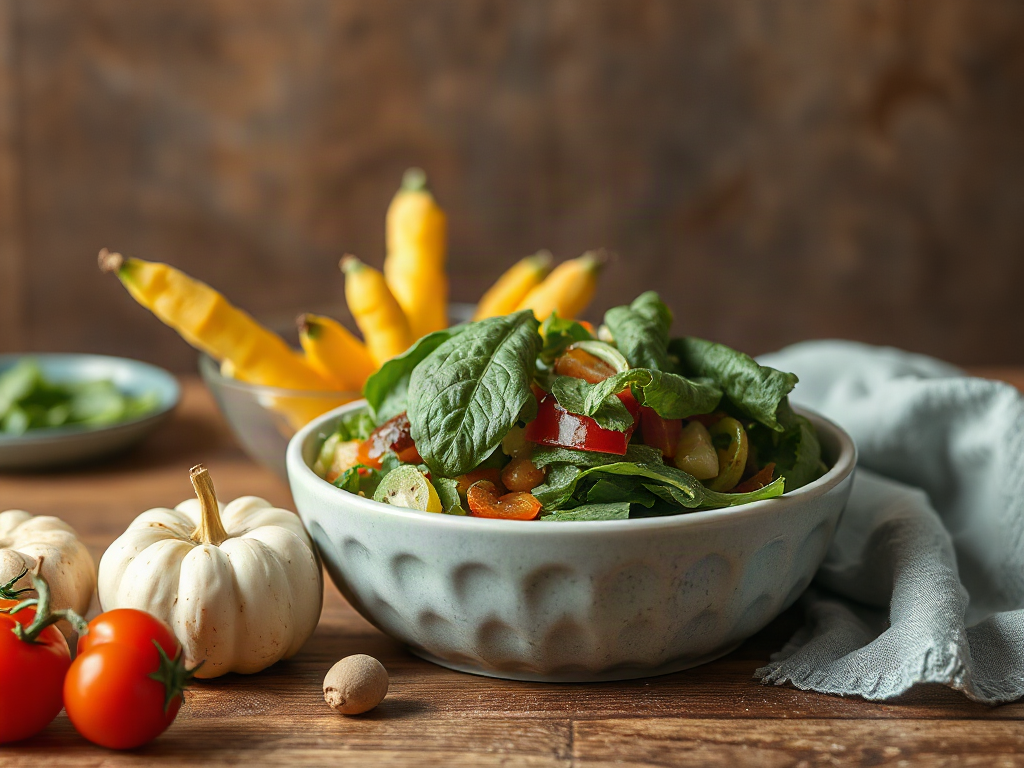
Plant food protein, fiber, and mineral coverage is strongest when meals combine legumes, whole grains, vegetables, nuts, seeds, and calcium-rich choices rather than relying on a single “superfood.” Beans or lentils supply protein, fiber, iron, zinc, and magnesium; grains add protein and minerals; produce contributes potassium and vitamin C, which can improve non-heme iron absorption. Calcium and iodine require deliberate attention because ordinary plant foods do not provide them consistently, while vitamin B12 needs a reliable fortified food or supplement in fully plant-based diets. Rotating food families and checking actual intake is more dependable than judging adequacy by meal appearance alone.
How Do Plant Foods Cover Protein Needs?
Protein coverage depends on total intake, food variety, and meal size more than on finding one plant ingredient with a perfect amino acid profile. Legumes are especially useful because they provide substantial protein alongside fiber, iron, zinc, potassium, and magnesium. Soy foods, lentils, chickpeas, split peas, and beans can serve as the protein anchor of a meal, while whole grains, nuts, seeds, and vegetables add smaller amounts that accumulate across the day.
Plant proteins differ in their proportions of indispensable amino acids. Legumes tend to be relatively lower in methionine, while many grains are relatively lower in lysine. Eating both food families over the course of a varied day helps provide a broader amino acid pattern. They do not need to be combined with mathematical precision at every meal. Lentil soup with whole-grain bread, black beans with corn tortillas, or tofu with brown rice are practical combinations because they also make meals filling and nutritionally diverse.
The common failure mode is counting any plant ingredient as a meaningful protein source. Spinach, mushrooms, and broccoli contribute protein, but a plate built mainly from low-calorie vegetables may still deliver too little. Nuts and seeds are nutrient-dense, yet using them as the sole protein anchor can make it difficult to obtain enough protein without consuming much more fat and energy than intended. A spoonful of peanut butter or a scattering of seeds is usually an addition, not the equivalent of a substantial serving of lentils, tofu, or tempeh.
Protein needs also become harder to meet when appetite or energy intake is low. Older adults, athletes, people recovering from illness, and anyone eating in a calorie deficit may benefit from placing a recognizable protein source in each main meal rather than assuming the day’s small contributions will add up. More concentrated options include tofu, tempeh, seitan for people who tolerate gluten, edamame, textured vegetable protein, and minimally sweetened soy beverages. Processing is not automatically a nutritional disadvantage: tofu and tempeh remain useful foods, while highly refined snack products may add sodium or saturated fat without providing comparable fiber.
A practical check is to review three ordinary days of eating. Identify the main protein anchor at breakfast, lunch, and dinner, then verify portions with a reliable food database or package label. If a meal has no clear anchor, add one before focusing on powders or specialty products. Consistent intake, sufficient food energy, and variety matter more than chasing a single high-protein ingredient.
How Can You Increase Fiber Without Digestive Overload?
Fiber rises quickly when refined staples are replaced with beans, intact grains, vegetables, fruit, nuts, and seeds. That change can improve stool bulk and feed intestinal microbes, but a sudden increase may also bring gas, abdominal pressure, or loose stools. The problem is often the speed and scale of the change rather than proof that high-fiber plant foods are unsuitable.
Different fibers behave differently. Oats, barley, beans, chia, and some fruits contain appreciable soluble or gel-forming fibers, while wheat bran, vegetable skins, and many intact grains add more insoluble material. Fermentable carbohydrates in legumes and certain vegetables can produce gas as intestinal microbes break them down. Individual tolerance varies, so copying another person’s bean-heavy menu may be less effective than increasing portions gradually and observing the response.
For someone moving from a low-fiber pattern, replacing every meal at once with bran cereal, raw vegetables, large bean portions, and seed-heavy snacks is a common mistake. A steadier approach is to add one moderate serving at a time. Start with oats at breakfast or half a cup of lentils at lunch, maintain that pattern for several days, and then increase another meal if digestion remains comfortable. Drinking adequate fluid matters as fiber intake rises, particularly with bran, psyllium, or large amounts of seeds.
Preparation can change tolerance without removing the nutritional value of the food. Rinsing canned beans reduces the packing liquid and some sodium. Thoroughly cooking dried legumes and beginning with lentils, split peas, tofu, or modest portions may be easier than starting with a large bowl of firm beans. Cooked vegetables can be gentler than a large raw salad, while sourdough or well-cooked grains may suit some people better than dense, bran-rich products.
Signs that the approach is working include comfortable fullness, regular bowel movements, and the ability to eat a wider range of plants without persistent symptoms. Recurrent pain, severe bloating, constipation that does not improve, or diarrhea should not simply be dismissed as “detox.” People with gastrointestinal disease, swallowing difficulties, bowel narrowing, or medically prescribed fiber restrictions should seek individualized guidance before making a major increase. The goal is a sustainable range of plant foods, not the highest possible fiber number.
Which Minerals Need Deliberate Planning?
Iron, zinc, calcium, iodine, magnesium, and potassium deserve different levels of attention because plant foods supply and absorb them in different ways. Magnesium and potassium are distributed broadly across legumes, potatoes, whole grains, vegetables, fruit, nuts, and seeds. Iron and zinc are also present in many plants, but phytate in grains, legumes, nuts, and seeds can reduce absorption. Calcium and iodine are less reliably covered unless specific foods are chosen.
Non-heme iron from lentils, beans, tofu, pumpkin seeds, and fortified cereals is absorbed less predictably than heme iron from animal foods. Pairing an iron-rich meal with vitamin C from bell peppers, citrus, berries, tomatoes, or broccoli can increase absorption. Tea and coffee may interfere when consumed with an iron-rich meal, so people concerned about low iron status can separate those drinks from meals. Fatigue alone cannot diagnose iron deficiency; laboratory assessment and professional interpretation are more appropriate than taking high-dose iron without confirmation.
Zinc sources include beans, chickpeas, oats, wheat germ, pumpkin seeds, hemp seeds, and some fortified foods. Soaking, sprouting, fermenting, and leavening can reduce some phytate, although no single preparation method guarantees adequate absorption. A varied diet with regular zinc-containing foods is more dependable than treating a small seed garnish as full coverage.
Calcium planning should begin with foods that provide a meaningful amount in realistic portions. Calcium-set tofu, fortified plant beverages, fortified yogurt alternatives, tahini, and lower-oxalate greens such as kale and bok choy can contribute. Spinach contains calcium, but its oxalate makes much of that calcium poorly available. Fortified products vary, so labels should be checked, and plant beverages should be shaken because added calcium may settle in the container.
Iodine is the mineral most easily missed when dairy, seafood, and iodized salt are absent. Seaweed is not a precise solution because iodine content can vary widely, and excessive intake is possible. When salt is used, iodized salt offers more predictable iodine than specialty salts, but increasing salt solely for iodine is not appropriate for everyone. People limiting sodium or managing thyroid conditions should discuss suitable sources with a qualified clinician. Vitamin B12 is not a mineral, yet it belongs in the same planning conversation: fully plant-based diets require a dependable fortified source or supplement rather than unfortified fermented foods.
How to Build a Coverage-Focused Meal Plan
A coverage-focused meal plan uses repeatable meal components while rotating the foods within each component. The aim is not to calculate every nutrient at every sitting. It is to create a daily pattern in which protein anchors, fiber-rich carbohydrates, produce, mineral-rich additions, and specifically fortified foods appear often enough to close predictable gaps.
Start by mapping the major roles in each meal. A bowl based on quinoa alone may look wholesome but offer less protein than expected; adding chickpeas or tofu changes its nutritional structure. A smoothie made from fruit and oat beverage may contain fiber but little protein or calcium if the beverage is unfortified. Using fortified soy beverage and adding nut or seed butter creates a more substantial breakfast, although the label still determines the actual fortification.
| Meal role | Practical choices | Coverage gained |
|---|---|---|
| Protein anchor | Lentils, beans, tofu, tempeh, edamame | Protein plus iron, zinc, or magnesium |
| Fiber-rich staple | Oats, barley, brown rice, potatoes, whole-grain bread | Fiber, energy, and additional minerals |
| Produce pairing | Peppers, broccoli, tomatoes, citrus, berries | Vitamin C and broader plant variety |
| Calcium choice | Fortified plant beverage, calcium-set tofu, kale, bok choy | More reliable calcium coverage |
| Mineral-rich addition | Pumpkin seeds, tahini, hemp seeds, nuts | Zinc, magnesium, iron, and healthy fats |
A workable day might use oatmeal made with fortified soy beverage and topped with berries and pumpkin seeds; lentil and vegetable soup with whole-grain bread at lunch; and tofu, broccoli, and brown rice at dinner. Fruit, hummus, or nuts can fill snack needs according to appetite. This pattern supplies several overlapping nutrient sources rather than making dinner responsible for correcting an underpowered breakfast and lunch.
Use a short weekly audit instead of chasing perfection. Check whether legumes or soy foods appear most days, whether grains and vegetables vary, whether an identified calcium source is present, and whether iodine and B12 have reliable plans. Review food labels because fortification differs among brands and countries. People with kidney disease, anemia, food allergies, restrictive eating patterns, pregnancy, or unusually high training demands may need individualized targets that a general meal template cannot provide.
The plan is failing if hunger remains high shortly after meals, protein anchors are repeatedly absent, digestion worsens without adjustment, or fortified foods are assumed rather than verified. Correct the structural gap first: enlarge the legume or tofu portion, introduce fiber more gradually, or choose a labeled fortified product. Supplements can address specific needs, but they should not be used to disguise a consistently low-energy or poorly varied eating pattern.
Conclusion
Reliable coverage comes from meal structure rather than a collection of fashionable ingredients. Give each main meal a substantial legume, soy, or other concentrated protein source; add an intact grain or starchy vegetable; and use produce to broaden fiber and support iron absorption. Nuts and seeds work best as mineral-rich additions rather than automatic substitutes for a protein anchor.
Calcium, iodine, and vitamin B12 deserve explicit plans because visual variety does not guarantee their adequacy. Check fortification labels, introduce high-fiber foods at a tolerable pace, and review several typical days instead of judging one unusually balanced meal. If medical conditions, pregnancy, persistent digestive symptoms, or suspected deficiency affect food choices, use the meal pattern as a discussion tool with a qualified dietitian or clinician rather than as treatment.
Frequently Asked Questions
Do plant proteins need to be combined at every meal?
No. Eating varied legumes, grains, nuts, seeds, and vegetables across the day generally provides a complementary amino acid pattern. Combining foods at a meal can still be convenient and satisfying.
Which plant food provides the best mix of protein and fiber?
Legumes offer one of the most useful combinations. Lentils, beans, chickpeas, and split peas provide substantial protein and fiber together, while soy foods vary depending on processing.
Can vegetables supply enough protein by themselves?
Vegetables contribute protein, but most meals need a more concentrated source such as beans, lentils, tofu, tempeh, or edamame to provide meaningful coverage without excessive food volume.
Is seaweed a reliable daily iodine source?
Not necessarily. Iodine content varies greatly among seaweed types and products, and excessive intake is possible. A predictable source should be chosen with personal sodium and thyroid considerations in mind.
How can I tell whether a plant beverage provides calcium?
Check the nutrition label and ingredient list for calcium fortification, compare the listed amount per serving, and shake the container before pouring because added minerals may settle.