
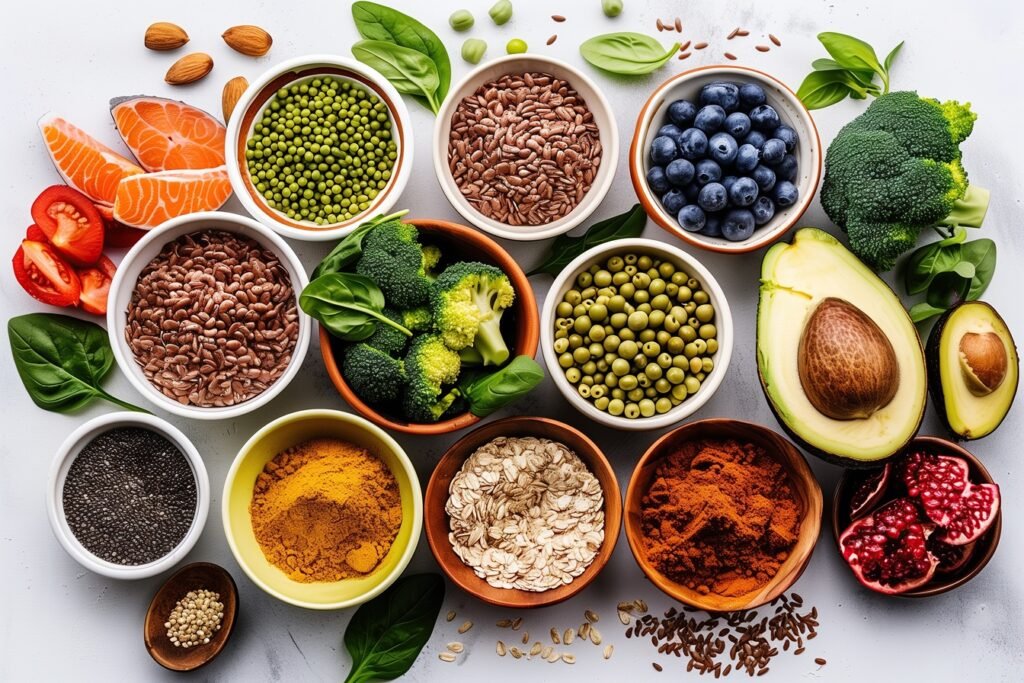
To prioritize when selecting superfoods for health, focus on nutritional density, sourcing practices, and your individual dietary needs. Nutritional density is vital; choose foods that offer high levels of essential nutrients like vitamins and antioxidants without excessive calories. Additionally, consider the sourcing of these foods—opt for organic and locally sourced options to minimize exposure to harmful chemicals and enhance freshness. In closing, ensure that the superfoods align with your dietary preferences and restrictions, as this will help you maintain a balanced and enjoyable nutrition plan.
Understanding Nutritional Density
Nutritional density is a crucial factor to consider when selecting superfoods. It refers to the amount of essential nutrients—such as vitamins, minerals, and antioxidants—relative to the number of calories a food contains. Foods that are high in nutritional density provide significant health benefits without excessive calorie intake, making them ideal for maintaining a healthy diet.
For example, kale is considered a superfood primarily due to its high levels of vitamins A, C, and K, along with various antioxidants. In contrast, a food like white bread has a much lower nutritional density, providing fewer nutrients for the same calorie count. When prioritizing superfoods, look for options that deliver maximum nutrients per calorie to support overall health.
Importance of Sourcing and Sustainability
Sourcing practices play a significant role in the health benefits of superfoods. Foods sourced from organic farms tend to have fewer pesticides and chemicals, which can contribute to better health outcomes. Additionally, local sourcing can enhance freshness and nutrient retention, as the time between harvest and consumption is minimized.
Moreover, sustainability is increasingly becoming a priority for many consumers. Choosing superfoods that are grown using sustainable methods helps reduce environmental impact and supports local economies. For instance, opting for sustainably harvested fish or local fruits and vegetables not only benefits personal health but also promotes ecological balance and community well-being.
Personal Dietary Needs and Preferences
When selecting superfoods, it’s essential to consider personal dietary needs and preferences. This includes understanding any allergies, intolerances, or specific dietary restrictions, such as vegetarianism or gluten intolerance. Superfoods should complement your diet rather than complicate it.
For example, if someone is lactose intolerant, incorporating plant-based superfoods like chia seeds or almond milk can provide similar nutritional benefits without discomfort. Acknowledging these factors ensures that the chosen superfoods align with individual health goals and dietary lifestyles, ultimately leading to better adherence and success in dietary changes.
Common Mistakes When Choosing Superfoods
Many people fall into the trap of assuming that all superfoods are inherently healthy, which can lead to poor choices. One common mistake is selecting products based solely on marketing claims rather than nutritional content. For instance, a product labeled as a superfood may contain added sugars or unhealthy fats that negate its benefits.
Another mistake is overlooking the importance of variety. Relying too heavily on a few superfoods can lead to nutrient imbalances. Instead, aim to incorporate a diverse range of superfoods into your diet to ensure a broad spectrum of nutrients. This variety not only enhances health benefits but also keeps meals interesting and enjoyable.
Frequently Asked Questions
What are the top superfoods to include in my diet?
Some top superfoods to consider include blueberries, kale, quinoa, chia seeds, and salmon, as they are all nutrient-dense and provide various health benefits.
How do I know if a superfood is right for me?
Assess your dietary needs, consider any allergies or restrictions, and look for superfoods that align with your health goals to determine if they are right for you.
Can I consume too many superfoods?
Yes, consuming too many superfoods without a balanced diet can lead to nutrient imbalances or excessive caloric intake, so it's essential to maintain variety.
Are superfoods worth the cost?
While some superfoods may be pricier, their nutritional benefits can justify the cost. Focus on incorporating a mix of affordable and premium superfoods.
How should I prepare superfoods for the best health benefits?
Preparation methods vary, but steaming, blending, or incorporating them into salads can help maximize their nutritional benefits while keeping them tasty.
Conclusion
Prioritizing nutritional density, sourcing, and personal dietary needs is essential when selecting superfoods for health. By understanding what makes a superfood beneficial and avoiding common mistakes, you can create a balanced and healthful diet. Focus on incorporating diverse options that support your health goals and preferences, leading to better overall well-being.
Related Content
- How to Evaluate if a Superfood Fits Your Diet: Key Nutritional Metrics and Personal Goals
- How To Choose Superfoods That Suit Dietary Restrictions: A Label-Reading And Meal-Fit Method
- What To Do If Whole Foods Are Not Filling: Meal Balance, Portions, and Timing
- Why Nutrient Density Varies in Plant-Based Foods: Understanding Key Factors and Examples
- Issues With Sourcing Superfoods From Unreliable Vendors: Identifying Risks and Ensuring Quality