
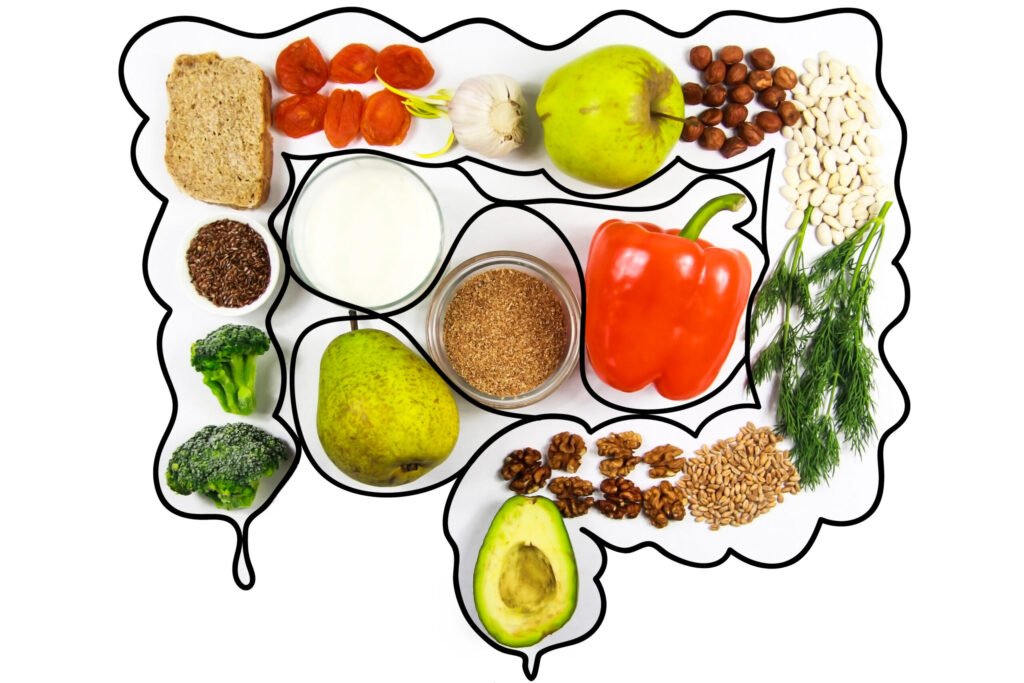
Superfoods play a vital role in managing chronic diseases by providing essential nutrients that help combat inflammation and support overall health. Foods such as berries, leafy greens, and fatty fish are rich in antioxidants and anti-inflammatory compounds, making them beneficial for conditions like heart disease and diabetes. To maximize their benefits, incorporate a variety of superfoods into your daily meals, such as adding spinach to smoothies or using turmeric in cooking. However, it's important to maintain a balanced diet, as relying solely on superfoods may lead to nutritional gaps.
Understanding Superfoods
Superfoods are nutrient-rich foods that are considered to be especially beneficial for health and well-being. They typically contain high levels of vitamins, minerals, and antioxidants, which can play a crucial role in preventing and managing chronic diseases. Common examples include blueberries, kale, quinoa, and chia seeds. These foods are often linked to reduced risks of chronic conditions such as heart disease, diabetes, and certain cancers due to their anti-inflammatory and antioxidant properties.
Incorporating superfoods into your diet can be straightforward, but it’s essential to understand what makes a food a ‘superfood.’ Generally, these foods provide more nutrients than calories, making them an excellent choice for those looking to enhance their health without excessive calorie intake. However, relying solely on superfoods without a balanced diet can lead to nutritional gaps, so they should be part of a holistic approach to health.
Superfoods and Inflammation
Chronic inflammation is a significant contributor to many chronic diseases, including arthritis, heart disease, and diabetes. Superfoods like turmeric, ginger, and fatty fish are known for their anti-inflammatory properties. For instance, turmeric contains curcumin, a compound that has been shown to reduce inflammation in the body. By incorporating these foods into your meals, you can help mitigate inflammation and support your body’s healing processes.
It’s important to note that while superfoods can be beneficial, they are not a cure-all. For example, simply adding turmeric to your diet will not eliminate chronic inflammation if other lifestyle factors, such as poor diet and lack of exercise, are not addressed. Therefore, a comprehensive approach that includes a balanced diet, regular physical activity, and stress management is essential for effective chronic disease management.
Nutrient Density and Health Benefits
The concept of nutrient density is vital when discussing superfoods. Foods that are high in nutrients relative to their calorie content can help you meet your nutritional needs without excessive calorie intake. For example, spinach is low in calories but packed with vitamins A, C, and K, as well as iron and calcium. This nutrient density makes it an excellent choice for those managing chronic diseases, as it supports overall health while helping to maintain a healthy weight.
Research indicates that diets rich in nutrient-dense foods can lead to better health outcomes. For instance, diets high in fruits and vegetables are associated with lower risks of heart disease and stroke. Therefore, focusing on incorporating a variety of superfoods in your diet can enhance your overall nutrient intake and support chronic disease management. However, it’s important to maintain variety and avoid overconsumption of any single food.
Practical Ways to Incorporate Superfoods
Integrating superfoods into your daily meals doesn’t have to be complicated. Simple changes can make a significant difference. For breakfast, consider adding berries to your oatmeal or yogurt. For lunch, include a leafy green salad topped with nuts and seeds. Smoothies are another excellent way to pack in several superfoods at once. Blend spinach, banana, and almond milk for a nutrient-rich beverage.
While superfoods can be beneficial, it’s essential to be mindful of your overall dietary habits. A common mistake is assuming that simply adding superfoods to an otherwise unhealthy diet will lead to improved health outcomes. Instead, focus on creating balanced meals that include a variety of food groups. Prioritize whole foods over processed options, and consider consulting with a healthcare provider or nutritionist to tailor your diet to your specific health needs.

Frequently Asked Questions
What are superfoods?
Superfoods are nutrient-rich foods that provide health benefits, often linked to disease prevention and management.
How do superfoods help with chronic diseases?
They can reduce inflammation, improve immune function, and provide essential nutrients that support overall health.
Can I rely solely on superfoods for my health?
No, superfoods should be part of a balanced diet and not a substitute for overall healthy eating habits.
What are some examples of superfoods?
Common examples include blueberries, spinach, quinoa, and fatty fish like salmon.
How can I include superfoods in my diet?
You can add them to meals by including them in salads, smoothies, or as snacks throughout the day.
Conclusion
Incorporating superfoods into your diet can play a significant role in managing chronic diseases by providing essential nutrients and reducing inflammation. However, it’s crucial to approach this with a balanced perspective, ensuring that superfoods complement a healthy lifestyle rather than serve as a sole solution. Focus on variety and moderation, and consider working with a healthcare professional to tailor your dietary choices to your health needs. By making informed decisions about your nutrition, you can enhance your overall well-being and support effective chronic disease management.
Related Content
- How to Assess the Quality of Superfood Powders: Key Ingredients, Sourcing, and Nutritional Value
- What Are The Benefits Of Whole Food Nutrition For Health?
- What To Consider When Integrating Superfoods Into Family Meals: Practical Steps for Balanced Nutrition
- Can Organic Superfoods Help With Weight Loss Or Management?
- Misconceptions About Whole Foods and Health: Common Myths and Real Benefits