
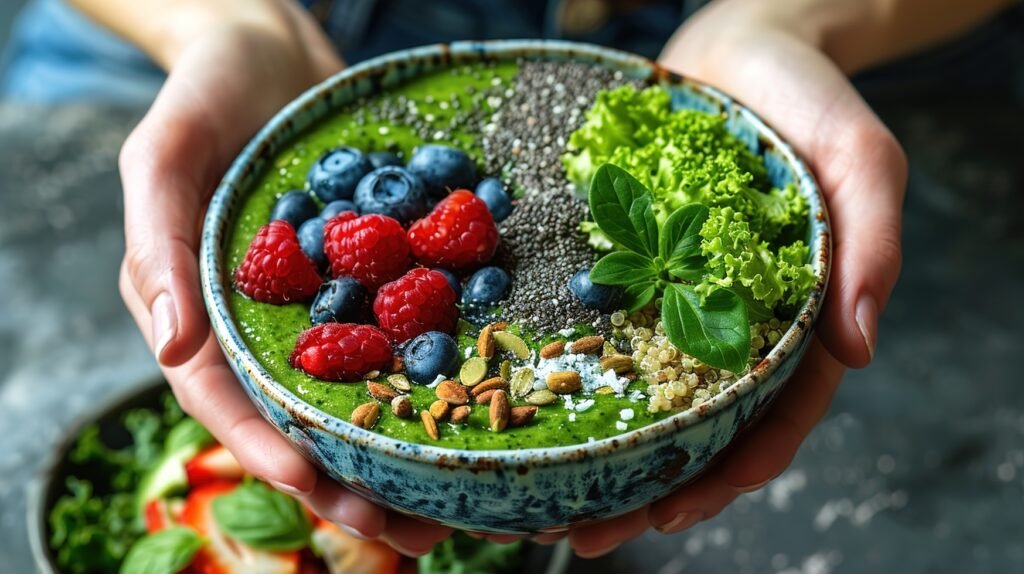
Common misconceptions about whole food nutrition can lead to misguided dietary choices. Many people mistakenly believe that all whole foods are automatically healthy, overlooking the need for variety and moderation in their diets. For instance, while whole grains are nutritious, consuming them in excess can contribute to weight gain. It's essential to focus on a balanced diet that incorporates a wide range of whole foods, paying attention to portion sizes and overall dietary patterns. By addressing these misconceptions, individuals can make more informed choices that support their health goals.
Understanding Whole Food Nutrition
Whole food nutrition emphasizes consuming foods in their natural state, minimizing processed ingredients. This approach is rooted in the belief that unrefined, nutrient-dense foods provide essential vitamins, minerals, and fiber while reducing the intake of unhealthy additives and preservatives. Understanding this concept is vital as it influences how we perceive the health benefits of the foods we eat.
Incorporating whole foods into our diets can lead to improved health outcomes, including better digestion and weight management. However, it is essential to grasp that simply eating whole foods does not guarantee optimal health. The quality of the overall diet and lifestyle choices, such as physical activity and stress management, play significant roles in achieving health goals.
Myth 1: All Whole Foods Are Always Healthy
A common misconception is that all whole foods are automatically healthy. While whole foods, such as fruits, vegetables, whole grains, nuts, and seeds, are generally more nutritious than processed alternatives, not all whole foods are created equal. For example, whole grain products can still be high in calories and sugars if consumed excessively.
It’s crucial to recognize that moderation is key. Whole foods should be part of a balanced diet that includes a variety of nutrients. Over-reliance on any food group, even whole foods, can lead to nutritional imbalances. Understanding the broader context of one’s dietary choices helps in making more informed decisions.
Myth 2: Whole Foods Are Expensive
Another misconception is that whole foods are prohibitively expensive. While some organic or specialty whole foods can be costly, many whole foods are affordable and accessible. Seasonal fruits and vegetables, legumes, and grains often provide excellent nutritional value at a lower cost.
Shopping locally, buying in bulk, and planning meals can help mitigate costs. It’s also worth noting that investing in whole foods can lead to long-term health savings by potentially reducing medical expenses associated with chronic diseases linked to poor nutrition. Thus, the perception of high costs should not deter individuals from including whole foods in their diets.
Myth 3: You Can’t Get Enough Protein from Whole Foods
Many believe that whole food diets lack sufficient protein sources. This myth arises from a misunderstanding of what constitutes a protein-rich diet. Whole foods can provide ample protein when combined appropriately. For instance, legumes, nuts, seeds, and whole grains offer significant protein content, especially when consumed in combination.
Moreover, plant-based diets can meet protein needs effectively. For example, a meal combining rice and beans creates a complete protein profile. Understanding how to pair whole foods can help individuals achieve their protein requirements without relying solely on animal products.
Myth 4: Whole Foods Are Not Suitable for Weight Loss
Some individuals mistakenly believe that whole foods are not conducive to weight loss. In reality, whole foods are often lower in calories and higher in fiber, which can promote satiety and help control hunger. Foods like fruits, vegetables, and whole grains can be beneficial for weight management.
Adopting a whole food diet encourages mindful eating and can lead to healthier choices over time. The key is to focus on portion control and balance rather than eliminating entire food groups. Incorporating whole foods into a weight loss plan can be effective when combined with regular physical activity and a holistic approach to health.
Frequently Asked Questions
What are whole foods?
Whole foods are minimally processed foods that retain their natural nutrients, such as fruits, vegetables, whole grains, nuts, and seeds.
Are whole foods better for you than processed foods?
Whole foods generally offer higher nutritional value, containing more vitamins, minerals, and fiber compared to processed foods, which often contain additives and preservatives.
Can I lose weight by eating whole foods?
Yes, whole foods can support weight loss due to their lower calorie density and higher fiber content, promoting satiety and healthier eating habits.
Do whole foods provide enough protein?
Yes, whole foods like legumes, nuts, seeds, and whole grains can provide sufficient protein, especially when combined appropriately.
Are whole foods expensive?
Not necessarily; many whole foods can be affordable, especially when purchased in bulk or when buying seasonal produce.
Conclusion
Addressing the common misconceptions about whole food nutrition is crucial for making informed dietary choices. Understanding that not all whole foods are automatically healthy, recognizing the affordability of many whole foods, and knowing that they can provide sufficient protein and support weight loss can empower individuals to adopt a more balanced and healthful diet. Prioritizing whole foods within a diverse and mindful eating pattern can lead to improved health outcomes and overall well-being.
Related Content
- Challenges With Superfood Meal Prepping: Common Mistakes and Practical Solutions
- What are the signs of nutrient deficiencies on a whole food diet?
- What to Prioritize When Selecting Superfoods for Energy: Key Nutrients, Top Choices, and Practical Tips
- How to Evaluate If a Superfood Fits Your Lifestyle: Key Considerations and Practical Steps
- Foods High in Lysine for Meal Variety—Practical Ingredients, Pairings, and Weekly Ideas