
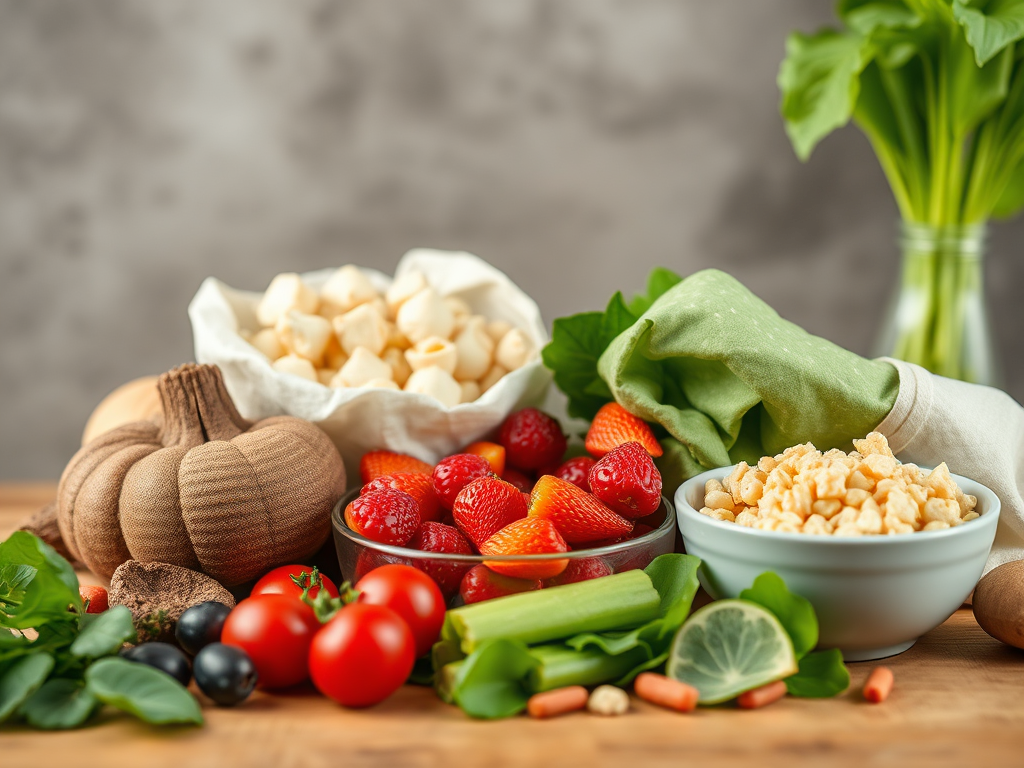
To find superfoods that support gut health, focus on foods rich in fiber, probiotics, and prebiotics, such as fermented products, whole grains, and certain fruits and vegetables. These foods promote a healthy gut microbiome, improve digestion, and may enhance nutrient absorption. Common mistakes include overlooking the importance of variety and assuming all superfoods are equally beneficial. Prioritize foods like yogurt, kefir, garlic, and bananas for optimal gut support.
Understanding Gut Health and Its Importance
Gut health is crucial for overall well-being, affecting everything from digestion to immune function. A healthy gut microbiome, composed of diverse microorganisms, plays a significant role in nutrient absorption and the prevention of various health issues. Imbalances in gut flora can lead to conditions such as irritable bowel syndrome (IBS), obesity, and autoimmune diseases. By focusing on superfoods that enhance gut health, individuals can support their digestive system and improve their overall health.
The gut microbiome thrives on a diet rich in fiber and nutrients. Foods high in fiber help promote regular bowel movements and reduce constipation, while probiotics and prebiotics work to feed and sustain beneficial gut bacteria. Understanding the relationship between diet and gut health is essential for making informed dietary choices.
Key Superfoods for Gut Health
Incorporating a variety of superfoods into your diet can significantly enhance gut health. Some of the most beneficial superfoods include:
- Fermented Foods: Foods like yogurt, kefir, kimchi, and sauerkraut are rich in probiotics, which help restore and maintain a healthy gut flora. These foods promote the growth of beneficial bacteria and aid in digestion.
- Whole Grains: Oats, quinoa, brown rice, and barley are excellent sources of fiber and prebiotics. They help feed the good bacteria in your gut, improving overall gut function.
- Fruits and Vegetables: Foods like bananas, garlic, onions, and asparagus are high in fiber and prebiotics. They promote the growth of beneficial bacteria and support digestive health.
- Legumes: Beans, lentils, and chickpeas are not only high in fiber but also provide protein, making them a great addition to a gut-friendly diet.
- Nuts and Seeds: Almonds, walnuts, chia seeds, and flaxseeds are rich in omega-3 fatty acids and fiber, contributing to gut health.
Incorporating these superfoods into your meals can help maintain a balanced gut microbiome and support digestive health.
Identifying Quality Superfoods
Not all superfoods are created equal. When searching for superfoods that support gut health, it’s essential to consider the quality and source of the foods. Here are some tips for identifying high-quality superfoods:
- Check for Live Cultures: When selecting fermented foods, look for labels indicating live and active cultures, which ensure the presence of beneficial probiotics.
- Choose Whole and Organic Options: Whenever possible, opt for organic and minimally processed foods. Whole foods often retain more nutrients and have fewer additives that could negatively affect gut health.
- Avoid Added Sugars: Many products, especially flavored yogurts and snacks, contain added sugars that can harm gut health by promoting the growth of harmful bacteria.
- Read Labels: Familiarize yourself with ingredient lists and nutritional information to ensure you are selecting foods rich in fiber, vitamins, and minerals.
By focusing on quality, you can maximize the health benefits of superfoods and enhance your gut health effectively.
Practical Tips for Incorporating Superfoods
Incorporating superfoods into your daily diet can be simple and delicious. Here are some practical tips to help you get started:
- Start Your Day with Probiotics: Begin your morning with a serving of yogurt or kefir mixed with fresh fruit and nuts for a gut-friendly breakfast.
- Snack Smart: Choose snacks like hummus with vegetables, nut butter on whole-grain toast, or a handful of nuts to keep your gut health in check throughout the day.
- Experiment with Recipes: Try adding beans or lentils to soups, salads, and casseroles to boost fiber content and enhance gut health.
- Stay Hydrated: Drink plenty of water to aid digestion and help fiber do its job effectively.
By making small adjustments to your diet and incorporating these superfoods, you can support your gut health and overall well-being.
Frequently Asked Questions
What are superfoods?
Superfoods are nutrient-rich foods considered to be especially beneficial for health and well-being, often packed with vitamins, minerals, and antioxidants.
How do probiotics benefit gut health?
Probiotics are live bacteria that help maintain the natural balance of gut flora, improving digestion, enhancing immune function, and preventing gastrointestinal disorders.
Can I get enough fiber from superfoods?
Yes, many superfoods like fruits, vegetables, whole grains, and legumes are high in fiber, which is essential for maintaining healthy digestion and gut health.
Are all fermented foods good for gut health?
While most fermented foods can benefit gut health, it’s important to choose those with live cultures and minimal added sugars for optimal effects.
How often should I eat superfoods?
Incorporating a variety of superfoods into your diet daily can help support gut health, but focus on balance and moderation for overall nutrition.
Conclusion
Prioritizing superfoods that support gut health is essential for maintaining a balanced microbiome and overall well-being. By focusing on high-fiber foods, probiotics, and prebiotics, you can enhance digestion and nutrient absorption. Remember to choose quality ingredients and incorporate a variety of superfoods into your daily meals. With these practices, you’ll be well on your way to achieving optimal gut health.
Related Content
- Why Whole Foods Might Not Help With Weight Loss: Common Misconceptions and Real-World Implications
- How to Balance Superfoods with Other Nutritional Supplements: Effective Methods and Practical Considerations
- Hidden Costs of Switching to Whole Food Superfoods: Budgeting for Nutritional Investments and Lifestyle Changes
- Napa Cabbage Nutrition and Key Micronutrients for Raw Salads, Stir-Fries, and Balanced Plates
- Low-Potassium Foods for Everyday Meal Planning Without Losing Variety