
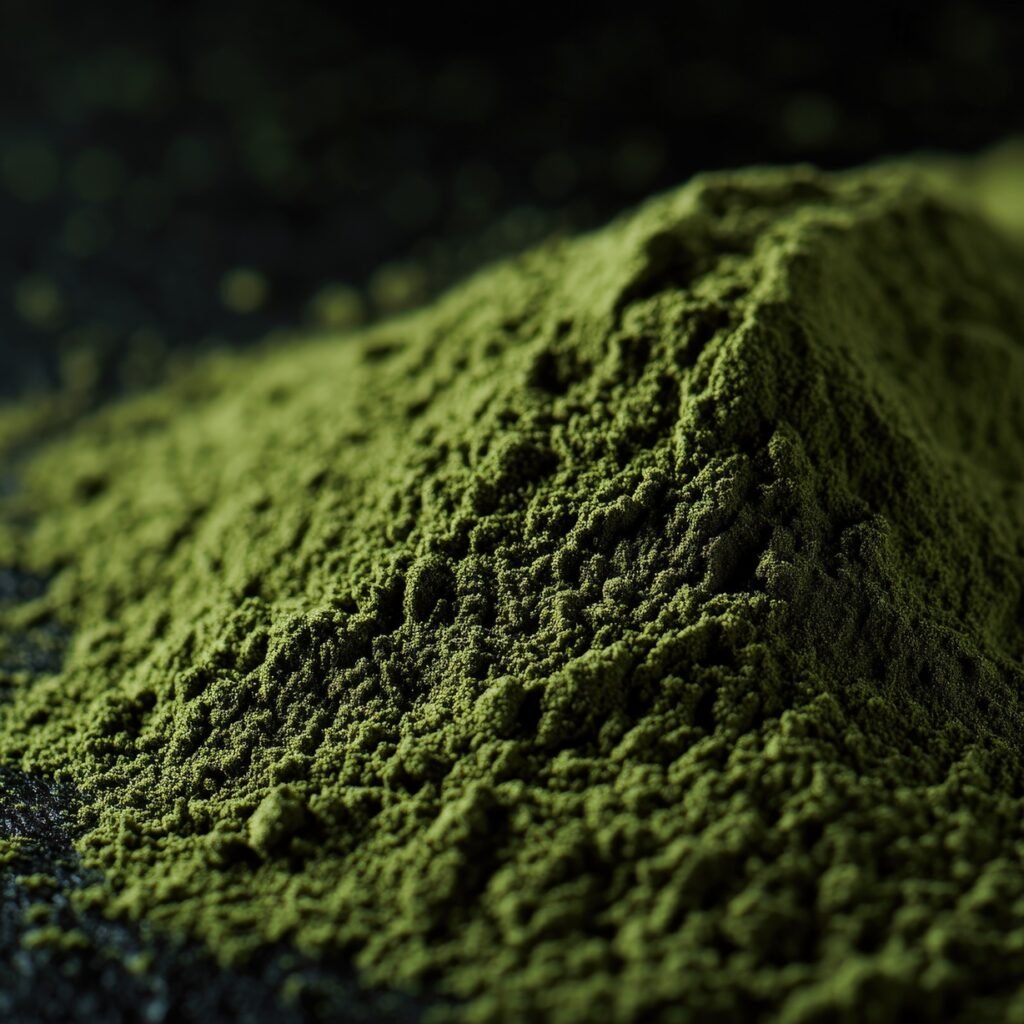
Whole foods may not meet nutrient needs due to factors like soil depletion, food processing, and individual dietary restrictions. Depleted soils can lead to lower nutrient levels in crops, resulting in deficiencies of essential vitamins and minerals. Furthermore, processing methods, such as milling or boiling, can strip away vital nutrients from whole foods. Individuals with dietary restrictions, such as allergies or intolerances, may also limit their food choices, increasing the risk of nutrient gaps. To address these issues, consider sourcing organic produce, utilizing diverse cooking methods, and supplementing with vitamins when necessary.
Soil Depletion and Nutrient Density
Soil depletion significantly affects the nutrient density of whole foods. Over-farming and the use of chemical fertilizers have led to a decline in soil health, which directly impacts how much nutrition fruits and vegetables can provide. When soil lacks essential minerals, the plants grown in it will also be deficient, leading to lower levels of vitamins and minerals in the food we consume.
For example, studies have shown that the levels of essential nutrients like magnesium and zinc in crops have decreased over the last several decades. This decline can result in a reliance on supplements to meet nutrient needs, which some individuals may overlook in favor of a whole-food diet. Understanding the source of your food and its growing conditions can help in selecting nutrient-dense options.
Food Processing and Nutrient Loss
Even whole foods can undergo processing that diminishes their nutritional value. For instance, milling grains into flour may strip away the bran and germ, which contain most of the fiber, vitamins, and minerals. Similarly, cooking methods can also lead to the loss of vital nutrients. For example, boiling vegetables can result in leaching of water-soluble vitamins like vitamin C and certain B vitamins.
To mitigate nutrient loss, consider cooking methods that preserve the integrity of the food, such as steaming or roasting. Additionally, consuming a variety of foods can help compensate for potential losses. Recognizing which processing methods are used on your foods can empower consumers to make more informed dietary choices.
Dietary Restrictions and Personal Factors
Individual dietary restrictions, such as food allergies, intolerances, or personal choices like vegetarianism or veganism, can limit nutrient intake. For example, individuals who avoid animal products may not get enough vitamin B12, which is primarily found in animal sources. Similarly, those with gluten intolerance may miss out on whole grains unless they find gluten-free alternatives that are also nutrient-rich.
To address these gaps, individuals should consider supplementation or alternative food sources that provide the missing nutrients. For instance, fortified foods can help bridge the gap for those who cannot consume certain food groups. It is essential to be proactive about nutrient intake and to consult with a healthcare provider if dietary restrictions are in place.
Misconceptions About Whole Foods
Many people assume that whole foods are inherently nutrient-dense and sufficient to meet all dietary needs. However, this is not always the case. Misconceptions can lead to overconfidence in a whole-food diet without considering potential deficiencies. For example, some may believe that simply eating more fruits and vegetables will cover all nutrient bases, neglecting other essential food groups like proteins and healthy fats.
To combat these misconceptions, it is beneficial to adopt a balanced approach to nutrition that includes a variety of food groups. Incorporating different sources of protein, healthy fats, and carbohydrates ensures a more comprehensive nutrient profile. Understanding the role of each food group is crucial in developing a well-rounded diet.
Frequently Asked Questions
Can whole foods be low in essential nutrients?
Yes, whole foods can be low in essential nutrients due to factors like soil depletion and poor agricultural practices.
How does food processing affect nutrient content?
Food processing can lead to nutrient loss, particularly in water-soluble vitamins and minerals, depending on the method used.
What are common dietary restrictions that affect nutrient intake?
Common dietary restrictions include allergies, intolerances, and lifestyle choices like vegetarianism, which can limit essential nutrient sources.
How can I ensure I meet my nutrient needs with whole foods?
To meet nutrient needs, consume a diverse range of whole foods from all food groups and consider supplements for any deficiencies.
Are misconceptions about whole foods common?
Yes, many people mistakenly believe that whole foods alone can provide all necessary nutrients without considering dietary balance.
Conclusion
Maintaining adequate nutrient intake through whole foods requires awareness of several factors, including soil quality, processing methods, and personal dietary restrictions. To ensure a balanced diet, individuals should strive for variety and be mindful of potential deficiencies. By understanding the interplay of these elements, you can make informed choices that support your nutritional health.
Related Content
- What to Prioritize When Selecting Superfoods for Energy: Key Nutrients, Top Choices, and Practical Tips
- Steps to Take When Trying a New Superfood: Essential Methods for Safe Incorporation
- What are the best whole foods for beginners?
- Can Superfoods Improve Nutrient Absorption From Other Foods: Key Nutrients That Enhance Bioavailability
- How Can I Incorporate Whole Food Nutrition Into My Diet?
Further Reading
Authoritative Sources
- USDA FoodData Central
fdc.nal.usda.govOfficial food composition and nutrient data.
- CDC Nutrition
cdc.govOfficial public-health nutrition guidance and data.
- MedlinePlus Health Information
medlineplus.govConsumer health information from the U.S. National Library of Medicine.
- NIH Office of Dietary Supplements
ods.od.nih.govEvidence-based fact sheets about vitamins, minerals, supplements, and nutrition.