
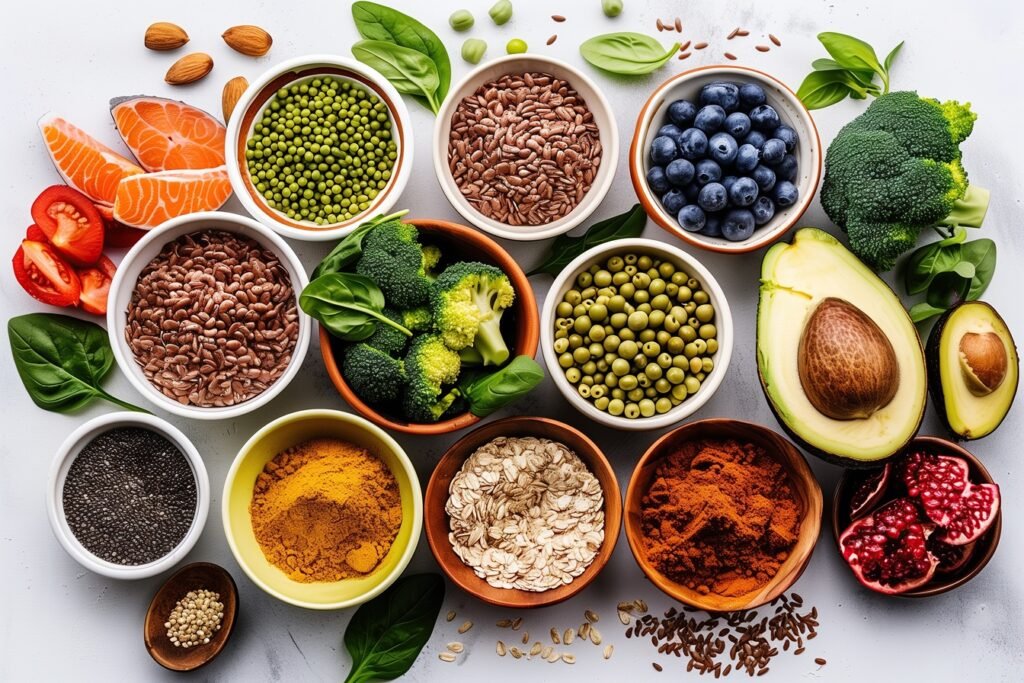
To balance whole foods with processed foods, focus on making whole foods the foundation of your diet while allowing for selective processed options. Prioritize fresh fruits, vegetables, whole grains, and lean proteins, which provide essential nutrients and support overall health. When choosing processed foods, opt for those with minimal added sugars and healthier ingredients, such as whole grain products or low-sodium options. This strategy not only enhances your nutrient intake but also helps you enjoy a varied diet without feeling deprived. Remember, moderation is key; enjoying processed foods occasionally can fit into a balanced lifestyle.
Understanding Whole Foods and Processed Foods
Whole foods are foods that are minimally processed and free from artificial ingredients, such as fruits, vegetables, nuts, seeds, and whole grains. Processed foods, on the other hand, often contain added sugars, preservatives, and unhealthy fats, which can detract from their nutritional value. Recognizing the differences between these two categories is essential for making informed dietary choices.
Many people mistakenly believe that all processed foods are unhealthy. However, not all processing is detrimental; some foods, like frozen vegetables or canned beans, can be nutritious options that offer convenience without sacrificing health. Understanding this distinction helps in making better food choices.
Nutritional Benefits of Whole Foods
Whole foods are packed with essential nutrients, including vitamins, minerals, fiber, and antioxidants. These nutrients play a vital role in maintaining overall health, supporting immune function, and preventing chronic diseases. For instance, fruits and vegetables are rich in dietary fiber, which aids digestion and promotes satiety, making it easier to maintain a healthy weight.
Additionally, whole foods provide high-quality protein sources, such as lean meats, fish, legumes, and nuts, which are crucial for muscle repair and overall bodily function. By incorporating a variety of whole foods into your diet, you enhance your nutrient intake and foster a more resilient body.
Making Smart Choices With Processed Foods
When incorporating processed foods into your diet, aim for options that are lower in added sugars, unhealthy fats, and sodium. Read nutrition labels carefully to identify healthier alternatives. For example, choose whole grain bread instead of white bread, or opt for yogurt with no added sugars.
Moreover, some processed foods can be beneficial, such as frozen fruits and vegetables, which retain most of their nutrients and can be used in smoothies or cooked dishes. Understanding the nutritional value of processed foods allows you to enjoy convenience while making healthier choices.
Practical Steps to Achieve Balance
To effectively balance whole foods with processed foods, start by planning your meals around whole foods. Aim for a plate that is at least half filled with vegetables and fruits, a quarter with lean protein, and a quarter with whole grains. This visual guide helps ensure you prioritize whole foods while allowing room for processed options.
Another practical step is to prepare meals at home whenever possible, as this allows you to control the ingredients and avoid hidden additives. When you do choose processed foods, opt for those that complement your whole food intake and enhance your overall nutrition. Remember, moderation is key; enjoying processed foods occasionally can help you maintain a balanced and sustainable diet without feeling deprived.
Frequently Asked Questions
What are whole foods?
Whole foods are natural foods that are minimally processed, such as fruits, vegetables, nuts, seeds, and whole grains, that retain their nutritional value.
Are all processed foods unhealthy?
No, not all processed foods are unhealthy. Some processed foods, like frozen fruits and vegetables, can be nutritious and convenient options.
How can I incorporate more whole foods into my diet?
Incorporate more whole foods by planning meals around fruits, vegetables, whole grains, and lean proteins, and by preparing meals at home.
What should I look for on nutrition labels?
Look for lower amounts of added sugars, unhealthy fats, and sodium, and prioritize whole grains and natural ingredients.
How can I enjoy processed foods in moderation?
Enjoy processed foods in moderation by choosing healthier options and balancing them with whole foods in your diet.
Conclusion
Balancing whole foods with processed foods is essential for maintaining a healthy diet. By prioritizing whole foods, you can ensure that you are getting the nutrients your body needs while still enjoying the convenience of processed options. Focus on making smart choices with processed foods, and remember that moderation is key. Start incorporating these strategies into your daily routine to achieve a balanced and sustainable approach to nutrition.
Related Content
- How Superfoods Interact With Medications: Key Mechanisms and Considerations
- Steps to Take If You Experience Mood Swings From Superfoods: Identifying Causes and Effective Adjustments
- What to Consider When Comparing Superfoods for Health Benefits: Key Nutritional Factors and Real-World Applications
- 7 Superfoods to Boost Your Gut Health Naturally
- What Tips Do You Have For Selecting High-Quality Organic Superfoods?
Further Reading
Authoritative Sources
- NIH Office of Dietary Supplements
ods.od.nih.govEvidence-based information on vitamins, minerals, supplements, and nutrition-related questions.
- USDA FoodData Central
fdc.nal.usda.govUSDA nutrient data for foods and ingredients used in nutrition decisions.
- Harvard T.H. Chan School of Public Health Nutrition Source
hsph.harvard.eduPublic health nutrition guidance and educational resources.