
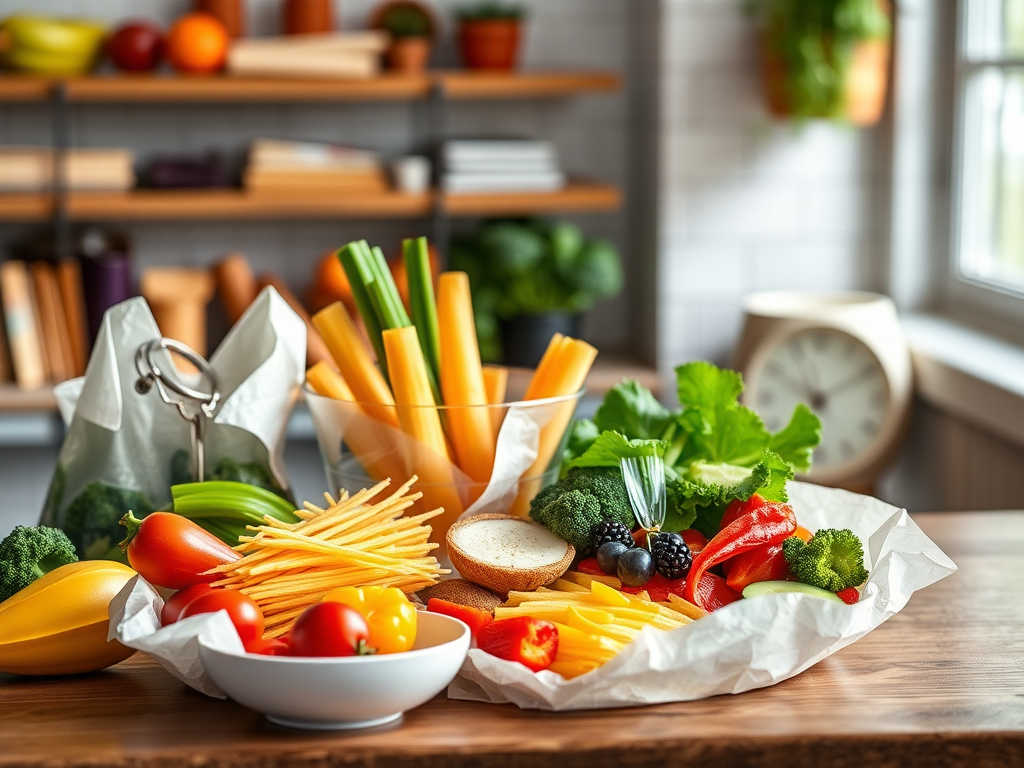
Incorporating superfoods into meals can be challenging due to barriers like lack of knowledge, perceived costs, and flavor compatibility. Many people may not know how to prepare superfoods or may believe they are too expensive. To overcome these obstacles, start by exploring budget-friendly options such as frozen fruits and vegetables, which can be just as nutritious. Additionally, educate yourself on simple recipes that incorporate superfoods, allowing you to experiment with flavors and enhance your meals. This proactive approach can lead to healthier eating habits and a more enjoyable cooking experience.
Understanding the Barriers
Incorporating superfoods into meals can be hindered by various barriers, including a lack of understanding of their benefits and preparation methods. Many individuals may not know what superfoods are or how to effectively integrate them into their diets. This knowledge gap can lead to hesitation in trying new ingredients and recipes.
Moreover, misconceptions about the complexity of cooking with superfoods can discourage people from incorporating them into their meals. It’s essential to educate oneself about the various types of superfoods available, such as quinoa, kale, chia seeds, and acai berries, as well as their nutritional benefits. By breaking down these barriers through education, individuals can make informed choices and feel more confident in adding superfoods to their diets.
Cost Considerations
Cost is a significant barrier for many incorporating superfoods into meals. Some superfoods can be perceived as expensive, leading individuals to opt for more affordable yet less nutritious options. However, there are budget-friendly superfoods available that provide excellent nutritional value without breaking the bank.
To address cost concerns, consider purchasing superfoods in bulk or looking for sales and discounts at local grocery stores. Additionally, frozen or dried superfoods can be more affordable than fresh options while still retaining their nutritional benefits. For example, frozen berries can be a cost-effective alternative to fresh berries, providing similar antioxidant properties.
Flavor and Preparation Challenges
Another common barrier to incorporating superfoods into meals is the perception that they may not taste good or may require complicated preparation methods. This can lead to reluctance in trying new ingredients. To overcome this challenge, it’s crucial to experiment with different recipes and cooking methods.
For instance, blending spinach into smoothies can mask its flavor while providing the nutritional benefits of this superfood. Similarly, adding chia seeds to yogurt or oatmeal can enhance texture without altering the taste significantly. Finding creative ways to incorporate superfoods can make the process enjoyable and rewarding, helping individuals to appreciate their benefits.
Time Constraints and Convenience
Time constraints are a prevalent barrier for many individuals incorporating superfoods into their meals. Busy lifestyles often lead to quick meal solutions that may not prioritize nutrition. However, integrating superfoods doesn’t have to be time-consuming.
Preparing simple, quick recipes that include superfoods can be a practical solution. For example, overnight oats with chia seeds can be prepared in advance and enjoyed in the morning. Meal prepping on weekends can also help streamline the process, ensuring that nutritious meals are readily available throughout the week. By prioritizing convenience without sacrificing nutrition, individuals can successfully incorporate superfoods into their daily diets.
Frequently Asked Questions
What are superfoods?
Superfoods are nutrient-rich foods considered to be particularly beneficial for health and well-being, such as blueberries, quinoa, and kale.
How can I incorporate superfoods into my meals?
You can incorporate superfoods by adding them to smoothies, salads, or using them as toppings on yogurt and oatmeal.
Are superfoods expensive?
While some superfoods can be pricey, there are many affordable options available, such as beans, lentils, and frozen fruits.
Do superfoods have to be prepared in a certain way?
No, superfoods can be prepared in various ways, and many can be consumed raw, blended, or cooked, depending on personal preference.
Can I benefit from superfoods if I have dietary restrictions?
Yes, many superfoods are suitable for various dietary restrictions, including gluten-free, vegan, and vegetarian diets. It’s essential to choose options that align with your needs.
Conclusion
Incorporating superfoods into meals presents various barriers, including cost, flavor, preparation challenges, and time constraints. By addressing these issues through education, budget-friendly alternatives, and creative cooking methods, individuals can enhance their diets with nutrient-rich foods. Prioritizing convenience and experimenting with flavors are key strategies for successfully integrating superfoods into daily meals. Start small, explore different recipes, and gradually introduce superfoods into your routine for a healthier lifestyle.
Related Content
- Natural Diuretic Foods and Hydration Cautions: Foods, Fluid Balance, and Warning Signs
- Ahi Tuna Nutrition and Mercury Considerations for Safer Serving Choices
- What Are The Benefits Of Whole Food Nutrition For Health?
- What to Do If Whole Foods Don’t Satisfy Hunger: Effective Strategies and Solutions
- How to Identify Signs of Superfood Intolerance: Symptoms, Causes, and Practical Steps