
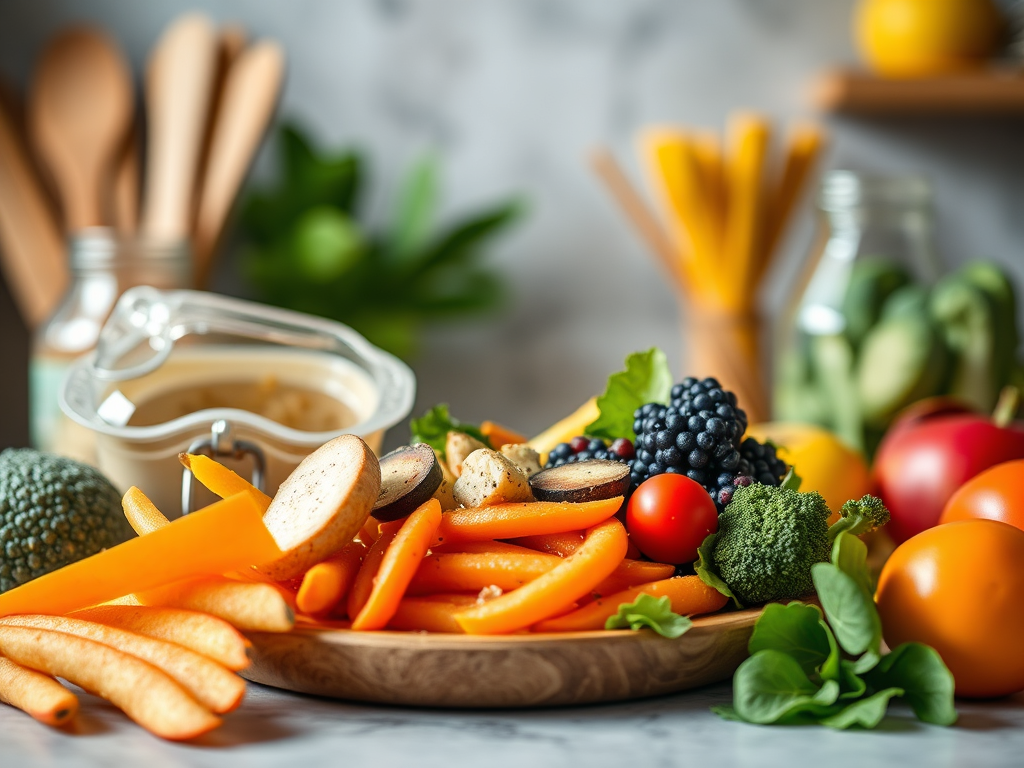
Common mistakes when integrating superfoods into meals include failing to balance them with other nutrients, overloading on certain superfoods, and neglecting their preparation methods. These pitfalls can lead to nutritional imbalances, digestive issues, and reduced health benefits. To maximize the advantages of superfoods, it is essential to understand their role in a balanced diet, incorporate a variety of them, and consider their preparation to enhance nutrient absorption.
Understanding Superfoods and Their Benefits
Superfoods are nutrient-rich foods that are considered to be especially beneficial for health and well-being. They are often packed with vitamins, minerals, antioxidants, and other compounds that can contribute to improved health outcomes. Understanding the benefits of superfoods is essential before integrating them into meals, as this knowledge can guide their selection and use in dietary plans. It is important to note that while superfoods can enhance a diet, they should complement a balanced nutrition strategy rather than replace other essential food groups.
Common examples of superfoods include berries, leafy greens, nuts, seeds, and certain grains. Each of these foods offers unique health benefits; for instance, blueberries are known for their high antioxidant content, while spinach provides a rich source of iron and vitamins. By recognizing the specific advantages of various superfoods, individuals can make informed choices about how to incorporate them into their meals effectively.
Common Mistakes in Superfood Integration
One of the primary mistakes people make when integrating superfoods into their meals is overloading on a single type of superfood. For example, someone might consume excessive amounts of acai berries, believing that more is better. However, this can lead to nutrient imbalances and may even cause digestive discomfort. Instead, it is crucial to vary superfood choices to ensure a balanced intake of nutrients.
Another common mistake is not considering the overall meal context. Superfoods should not be viewed in isolation; their health benefits are often maximized when they are part of a well-rounded meal that includes proteins, healthy fats, and carbohydrates. For instance, adding chia seeds to a smoothie can be beneficial, but combining them with other nutrient-dense ingredients like spinach and yogurt can enhance the meal’s overall nutritional profile.
Balancing Superfoods with Other Nutrients
Balancing superfoods with other nutrients is critical for achieving optimal health benefits. A common misconception is that superfoods can replace other food groups, leading to an unbalanced diet. For example, while quinoa is a nutritious grain, relying solely on it without including other sources of protein or healthy fats can result in a nutrient deficiency over time.
To effectively balance superfoods in a diet, it is essential to think about meal composition. A well-rounded meal might consist of a variety of foods such as lean proteins (chicken, fish, legumes), whole grains (brown rice, quinoa), and healthy fats (avocado, olive oil). By incorporating a range of food groups, individuals can create meals that support overall health while still enjoying the benefits of superfoods.
Preparation Methods That Enhance Nutrient Absorption
How superfoods are prepared can significantly affect their nutrient absorption. A common mistake is consuming certain superfoods raw when cooking might enhance their benefits. For instance, cooking tomatoes increases the availability of lycopene, a powerful antioxidant. Similarly, lightly steaming vegetables can help retain their nutrients while making them easier to digest.
In addition, pairing superfoods with other ingredients can enhance their nutrient absorption. For example, consuming spinach with a source of fat, like olive oil, can improve the absorption of fat-soluble vitamins A, D, E, and K. Understanding these preparation methods allows individuals to maximize the health benefits of superfoods while minimizing potential digestive discomfort.
For more detailed insights on superfoods and nutrition, consider exploring resources from reputable organizations such as the USDA and the Academy of Nutrition and Dietetics. These sources provide valuable information on dietary guidelines and the role of superfoods in a healthy diet.
Frequently Asked Questions
What are the key benefits of incorporating superfoods into meals?
Superfoods can enhance nutrient intake, improve overall health, and provide antioxidants that combat oxidative stress. They often contain essential vitamins and minerals that support bodily functions.
How can I avoid overloading on superfoods?
To avoid overloading, diversify your choices and incorporate a variety of superfoods into your meals instead of focusing on just one type. This ensures a balanced nutrient intake.
Are raw superfoods always better than cooked?
Not always; some superfoods offer greater benefits when cooked, as cooking can enhance the bioavailability of certain nutrients. It’s essential to understand the best preparation methods for each superfood.
What role does meal composition play in superfood integration?
Meal composition is crucial; superfoods should complement proteins, fats, and carbohydrates to create balanced meals that support overall health rather than replace other food groups.
Can I rely solely on superfoods for a healthy diet?
No, a healthy diet should include a variety of food groups. Superfoods are beneficial but should be part of a balanced diet that includes fruits, vegetables, grains, proteins, and fats.
Conclusion
Integrating superfoods into meals can provide significant health benefits, but it is essential to do so thoughtfully. Common mistakes such as overloading on specific superfoods, neglecting meal balance, and improper preparation can hinder their effectiveness. By understanding how to incorporate a variety of superfoods into balanced meals while paying attention to preparation methods, individuals can maximize the health benefits and enhance their overall dietary patterns.
Related Content
- Which Superfoods Help Maintain Healthy Cholesterol Levels: Top Foods for Heart Health
- How Long Does It Take To See Benefits From Eating Superfoods?
- How to Assess the Nutritional Content of Superfood Bars: Key Components and Evaluation Techniques
- How to Choose Superfoods That Aid Digestion: Key Foods and Nutritional Insights
- How to Adapt Superfood Intake for Different Life Stages: Nutritional Needs and Key Food Choices