
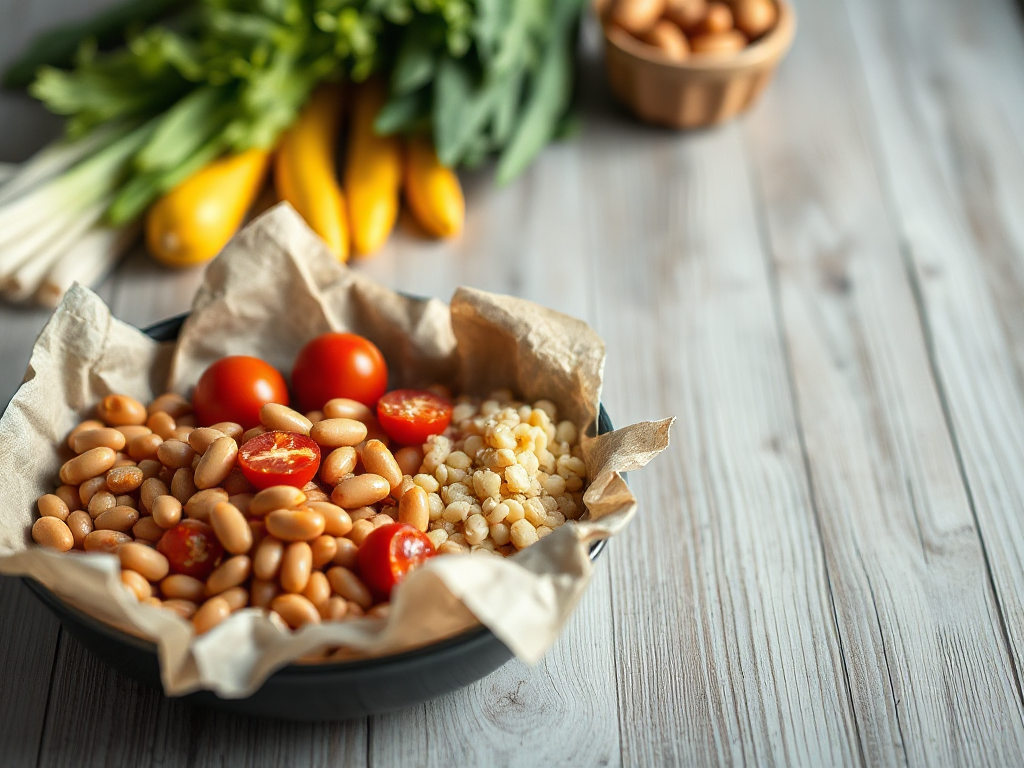
How to find affordable whole food options comes down to comparing cost per usable serving, choosing seasonal or frozen produce, and building meals around inexpensive staples such as beans, lentils, oats, eggs, brown rice, potatoes, and canned fish. Check unit prices rather than package prices, because larger containers are not always cheaper after waste is considered. Buy foods in forms that match your cooking schedule, use leftovers deliberately, and reserve premium items such as organic berries or specialty powders for occasional purchases. A practical budget improves when you plan several meals from the same ingredients, shop with a short list, and compare store brands, bulk bins, farmers markets, and discount grocers.
Define Value Before You Shop
Affordable whole food shopping begins with a usable definition of value. The lowest shelf price is not always the lowest meal cost: a large bag of greens that spoils quickly may cost more than a smaller package you finish, while dried beans may be inexpensive but less practical if there is no time to soak and cook them. Judge an item by its price per serving, edible portion, storage life, and role in several meals.
Start by setting a weekly food amount and identifying the meals that must be covered. A simple pattern is a protein-rich food, a starchy staple, and produce at most meals. That structure prevents a cart filled with attractive but disconnected items. For example, lentils, onions, carrots, tomatoes, and brown rice can become soup, a grain bowl, or a filling for wraps. The same ingredients have greater value because they serve more than one purpose.
Unit-price labels are useful, but they need interpretation. Compare the price per ounce for rice, oats, nuts, and canned goods, then consider whether you will use the full package. A discount only works when the food is eaten before quality declines. Keep a short record of foods your household regularly finishes; personal waste patterns are more useful than a generic list of cheap ingredients.
Use how to find affordable whole food options as a planning question rather than a search for one perfect store. The best choice may differ by item: a warehouse pack can suit a large household, whereas a smaller frozen package may be better for one person.
Choose Inexpensive Whole Food Staples
Low-cost meals usually depend on a small group of versatile staples rather than expensive specialty products. Beans, lentils, split peas, oats, potatoes, cabbage, carrots, onions, bananas, brown rice, whole-grain pasta, eggs, and plain yogurt can provide a practical base for varied meals. These foods tend to be useful because they store reasonably well, can be combined in different ways, and contribute fiber, protein, carbohydrate, or micronutrients without requiring elaborate preparation.
Dried legumes often have a lower purchase cost than cooked or seasoned versions, but canned beans may be the better bargain when convenience determines whether dinner happens at home. Rinsing canned beans can reduce some surface sodium, although it does not make every packaged meal low in sodium. Eggs may be economical for some households, while tofu, canned fish, or plain yogurt may work better for others. No single protein source needs to dominate the budget.
Produce value depends on durability as much as price. Cabbage, carrots, apples, oranges, frozen peas, and winter squash may last longer than delicate berries or salad greens. Seasonal produce can be less expensive when supply is high, but local prices vary. A reduced-price rack can be worthwhile for fruit used immediately in oatmeal or vegetables cooked the same day; it is a poor purchase if it creates waste.
A useful starter basket might include one legume, one grain or potato, two durable vegetables, two fruits, one flexible protein, and a basic flavor set such as garlic, herbs, or spices. Compare that basket with a cart centered on individually packaged snacks, bottled smoothies, and premium “superfood” ingredients. The latter can appear nutritious while contributing fewer complete meals per dollar.
Compare Fresh, Frozen, Canned, and Bulk Options
Fresh, frozen, canned, and bulk foods can all fit an affordable whole food pattern. The best format is the one that preserves nutrients adequately, matches your cooking habits, and minimizes waste. Frozen vegetables and fruit are often practical because they can be portioned as needed and do not depend on immediate use. Choose plain versions when possible so that sauces, added sugar, or excess sodium do not determine the meal.
Canned tomatoes, beans, pumpkin, fish, and vegetables can reduce preparation time and provide reliable pantry ingredients. Check the ingredient list and compare sodium across brands; “healthy” on the front label does not replace a look at the panel. Canned fruit packed in water or its own juice may be more suitable for regular use than heavily sweetened versions, depending on the product and the rest of the meal.
Bulk purchasing works when the food is stable and frequently eaten. Oats, rice, lentils, dried beans, and spices are usually easier to store than fresh produce. A bulk nut purchase may have a lower unit price but still be a poor decision if it strains the weekly budget or becomes stale. Divide large quantities into sealed containers and record the purchase date.
Fresh food has advantages, including texture and the ability to buy only what is needed, but it is not automatically more nutritious or more economical in every situation. Compare a fresh broccoli crown with a frozen bag by edible amount and expected waste, not by appearance. A practical test is to monitor what remains unused after seven days. If fresh spinach repeatedly wilts, frozen spinach may be the more affordable choice even when its package price is higher.
Turn Affordable Ingredients Into Flexible Meals
Meal flexibility is the mechanism that makes inexpensive shopping work over time. Plan ingredients across several meals instead of assigning one recipe to every purchase. Cooked lentils can go into soup, a tomato-based skillet, or a cold grain salad. Roasted potatoes can accompany eggs, fill a bowl with beans, or become a next-day hash. This approach reduces the chance that an unappealing recipe leaves a full package unused.
Build meals around a repeatable formula: a filling staple, a protein source, produce, and a flavor component. Oats with banana and peanut butter provide one breakfast pattern; rice with beans, cabbage, and salsa provides another. The formula is not a medical prescription, and individual nutrition needs vary, but it gives a budget shopper a way to check whether a meal is likely to be satisfying rather than merely cheap.
Batch cooking can lower preparation costs, yet cooking too much creates waste. Prepare a quantity that will be eaten within a reasonable refrigerated period, then freeze portions when appropriate. Label containers with the date and intended use. A family may save more by preparing a pot of beans and freezing portions, while a single person may prefer smaller batches and no-cook combinations such as yogurt, fruit, oats, and seeds.
Use leftovers as planned components, not as an afterthought. If dinner includes roasted vegetables, reserve some for lunch; if a recipe uses half an onion or cabbage, choose a second meal that uses the remainder. A mistake is buying ingredients for five unrelated recipes in one trip. A shorter plan with overlapping ingredients usually offers better cost control and fewer decisions during a busy week.
Avoid Budget Traps and Check Nutritional Balance
Several shopping habits make whole foods seem more expensive than they need to be. Pre-cut produce, single-serving packages, branded snacks, and specialty health products often charge for convenience or marketing. Convenience can still be worth paying for when it prevents restaurant spending or food waste, so the decision should reflect actual use rather than a blanket rule.
Organic certification, local sourcing, and premium labels may matter to a shopper, but they are separate decisions from whether a meal is built from minimally processed ingredients. If an organic item exceeds the budget, a conventional version, frozen alternative, or different fruit or vegetable may preserve the meal’s purpose. Rinsing produce, storing it properly, and varying choices can be more useful than abandoning the entire shopping plan over one high-priced item.
Cheap eating can also become nutritionally narrow. A cart made mostly of refined grains and inexpensive snack foods may cost little while providing limited protein, fiber, or produce variety. Use a compact check before checkout:
- Is there a reliable protein source for several meals?
- Are there durable or frozen vegetables and at least one practical fruit choice?
- Can the staples combine into more than one meal?
- Will the storage method and cooking time fit the household?
- Does the unit price still make sense after likely waste?
Food needs, allergies, cultural preferences, and medical conditions can change the most suitable choices. People managing a condition or following a prescribed diet should use advice from a qualified clinician or registered dietitian rather than treating a general budget plan as individualized nutrition care. how to find affordable whole food options is ultimately a process of testing formats, tracking waste, and adjusting purchases to real household behavior.
Frequently Asked Questions
What are the cheapest whole food staples?
Beans, lentils, oats, rice, potatoes, cabbage, carrots, bananas, eggs, and frozen vegetables are often economical, but local prices and household use determine the best choices.
Is frozen produce a good budget choice?
Yes, plain frozen produce can reduce spoilage because you use only what you need. Compare unit prices and avoid versions with added sauces or sugar when those do not fit your meal.
How can I compare food prices fairly?
Use the unit price, then account for edible portions, storage life, preparation time, and how much is likely to be discarded.
Are farmers markets always cheaper?
No. Prices vary by location and season. Compare the market with supermarkets, discount grocers, and frozen options, and prioritize items that are both affordable and likely to be used.
How do I keep a low-cost diet balanced?
Include varied protein sources, whole-grain or starchy staples, vegetables, fruit, and fats such as nuts, seeds, or oils as appropriate for your needs.
Conclusion
Affordable whole food shopping works best when the budget is measured by complete meals, not isolated bargains. Choose staples that store well and appear in several meals, compare unit prices, and select fresh, frozen, canned, or bulk formats according to waste and preparation time. Keep premium products optional rather than allowing them to displace basic ingredients such as beans, oats, potatoes, vegetables, and fruit. Review the plan after a week: note what was eaten, what spoiled, and which meals were easy to repeat. Then adjust quantities before changing the entire approach. A modest, flexible basket that fits real schedules will usually outperform an ambitious plan built around expensive ingredients or recipes that never get made.