
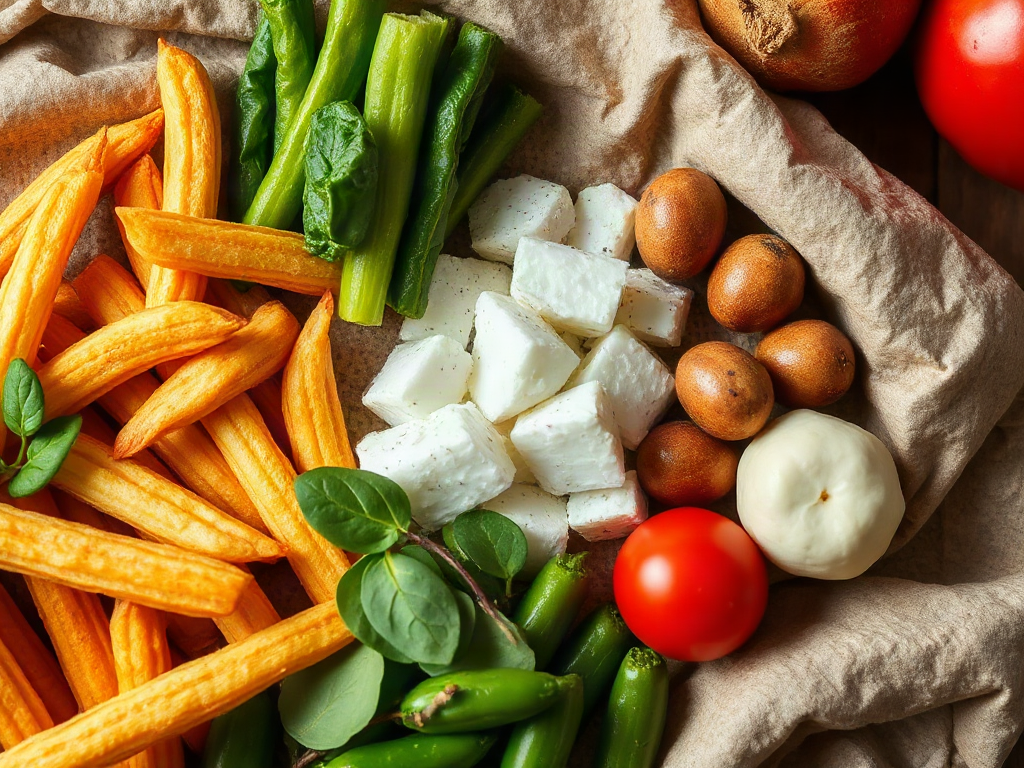
Renal diet food choices for nutrient-aware planning should be based on current kidney function, laboratory results, treatment type, and the specific need to manage sodium, potassium, phosphorus, protein, or fluid. Fresh foods and label comparison can reduce sodium and hidden phosphate additives, while portion size determines whether higher-potassium ingredients fit. Protein needs may be moderated before dialysis but often increase during dialysis, so restriction should never be assumed. A renal dietitian can translate changing results into practical meals and help prevent unnecessary exclusions that reduce calories, fiber, or overall food variety.
Match Food Decisions to Kidney Function and Treatment
A renal eating pattern is not a single fixed list of permitted and forbidden ingredients. Food priorities change with kidney function, urine output, blood pressure, medications, laboratory trends, appetite, diabetes management, and whether someone receives dialysis. A person with an early stage of chronic kidney disease and normal potassium may have little reason to avoid every tomato, bean, or orange. Someone with persistently elevated potassium or very low urine output may need tighter portions and different substitutions.
The kidneys help regulate minerals, fluid, and metabolic waste. When that regulation declines, sodium can contribute to fluid retention and higher blood pressure, potassium may accumulate and affect heart rhythm, and phosphorus may build up as mineral balance changes. Protein creates nitrogen-containing waste, but it is also needed to preserve tissue and recover from illness. These competing effects explain why indiscriminate restriction can be harmful: reducing every nutrient at once may leave a person eating too little.
Begin by identifying the active clinical priorities rather than copying a generic renal menu. Ask which laboratory values are outside their target ranges, whether those changes are persistent, and whether medications or supplements may be contributing. Potassium can be affected by certain medicines and acute illness, while phosphorus exposure may come from food additives or prescribed products as well as naturally occurring foods. A single result should be interpreted by the treating clinician rather than used to redesign the diet independently.
Consider two breakfasts. Oatmeal with berries and an egg may fit one person who needs adequate energy and moderate protein. Another person receiving dialysis may need more protein and choose an additional egg white, while someone managing diabetes may focus more closely on the oatmeal portion. The ingredient names alone do not determine suitability; serving size, the full day’s intake, and the person’s treatment plan do.
A common failure is adopting a long online “do not eat” list before confirming which nutrients require control. That approach can eliminate produce, legumes, dairy foods, whole grains, and protein sources simultaneously. Use renal diet food choices for nutrient-aware planning as a personalized decision process, with laboratory trends and professional guidance setting the boundaries.
Prioritize Sodium and Phosphorus Sources That Are Easy to Miss
Sodium and added phosphorus deserve early attention because packaged foods can supply substantial amounts without tasting especially salty or appearing mineral-rich. Sodium encourages thirst and fluid retention, which can complicate blood-pressure or swelling management. Added phosphates are readily absorbed and may appear in processed products that do not resemble naturally phosphorus-rich foods.
Fresh meat, poultry, fish, rice, pasta, vegetables, and fruit usually offer more control than heavily seasoned convenience meals. The difference is not simply “whole food versus processed food,” however. Plain frozen vegetables can be practical, while frozen vegetables in sauce may carry much more sodium. Canned products vary: no-salt-added vegetables are different from seasoned versions, and rinsing standard canned vegetables may remove some surface sodium but does not make every product low sodium.
Read the Nutrition Facts panel by serving size and compare similar products directly. A realistic serving may be two or three times the labeled amount, so the sodium must be scaled accordingly. Then check the ingredient list for terms containing “phos,” such as phosphoric acid or phosphate compounds. These additives may occur in processed cheese, cola, flavored drinks, enhanced meats, baking mixes, and some nondairy creamers. Ingredient lists are especially useful because phosphorus is not consistently displayed as a quantified nutrient on every label.
Natural phosphorus also matters, but its food source and the complete nutrition profile deserve consideration. Beans, nuts, whole grains, dairy foods, fish, and meat contain phosphorus alongside protein, fiber, or other nutrients. Plant phosphorus bound in phytate is generally less available for absorption than many phosphate additives. That does not make unlimited portions appropriate, but it argues against treating a minimally processed bean serving as nutritionally identical to a phosphate-enhanced convenience product.
For a practical lunch comparison, a homemade chicken sandwich made with unenhanced chicken, lower-sodium bread, lettuce, and mustard can offer more control than deli meat with processed cheese and packaged soup. Yet bread and condiments still contribute sodium, so “homemade” is not automatically low sodium. Taste food before salting, use garlic, pepper, vinegar, citrus zest, or sodium-free herbs, and avoid potassium-based salt substitutes unless the care team confirms they are suitable.
Signs that this approach is working may include lower daily sodium exposure, less reliance on additive-heavy products, and meals that remain satisfying without excessive thirst. Failure signs include persistent swelling, rapid weight changes, difficult blood-pressure control, or confusion about phosphorus results; those concerns require clinical review rather than progressively harsher self-restriction.
Manage Potassium Through Portions, Preparation, and Lab Results
Potassium management should respond to actual risk, not to a universal ban on fruits and vegetables. Potassium supports nerve and muscle function, but impaired kidney clearance can allow blood levels to rise. The appropriate intake depends on kidney function, dialysis schedule, medicines, acid-base status, bowel regularity, and recent laboratory patterns.
Portion size often changes the decision more than a simple high-versus-low label. A small amount of tomato in a sandwich differs from a large bowl of tomato soup, and half a banana differs from several pieces of fruit blended into a smoothie. Blending does not remove potassium; it can make multiple servings easy to consume quickly. Similarly, concentrated dried fruit and large servings of juice provide more potassium in less volume than modest servings of fresh fruit.
When potassium control is prescribed, lower-potassium choices may include apples, grapes, berries, pineapple, cabbage, cauliflower, cucumber, peppers, rice, and pasta, depending on portions and the full meal. Higher-potassium ingredients commonly include potatoes, tomatoes, avocado, bananas, oranges, dried fruit, beans, and many dairy products. These groupings are planning tools rather than permanent prohibitions. Food databases also vary by variety, preparation, and serving weight.
Preparation can sometimes widen options. Peeling, cutting, soaking, and boiling certain vegetables in ample water may reduce some potassium, particularly for potatoes and similar vegetables. The cooking water must be discarded. This process does not remove all potassium, may reduce water-soluble nutrients, and should not be treated as permission for unrestricted portions. Roasting or air-frying does not produce the same leaching effect because the cooking liquid is not discarded.
A useful swap keeps the meal recognizable. Replace a large baked potato with rice and a portion of green beans, or use berries instead of a large banana in breakfast cereal. If potassium remains normal and the clinician has not prescribed restriction, unnecessarily removing beans, produce, and whole grains may reduce fiber and dietary variety. The most reliable renal diet food choices for nutrient-aware planning connect portions to repeated laboratory results rather than fear of individual foods.
Seek prompt medical direction for a reported high potassium level, especially when accompanied by weakness, palpitations, chest symptoms, or marked illness. Food changes are not a substitute for evaluating medication effects, acute kidney changes, or other causes requiring treatment.
Set Protein, Fluid, and Energy Priorities Without Over-Restricting
Protein targets differ substantially before and during dialysis. Some people with chronic kidney disease who are not receiving dialysis may be advised to moderate protein, particularly if intake is high. Hemodialysis and peritoneal dialysis can increase protein needs because amino acids and protein may be lost during treatment and illness can accelerate tissue breakdown. A low-protein plan copied from a predialysis menu may therefore be inappropriate once dialysis begins.
Protein quality and portion both matter. Eggs, poultry, fish, lean meat, tofu, beans, and selected dairy foods can contribute protein, but they bring different amounts of phosphorus, potassium, sodium, and saturated fat. Egg whites provide protein with less phosphorus than whole eggs, while beans add fiber but may require potassium and phosphorus portion planning. Processed meats are usually a weaker default because curing solutions and additives can increase sodium and phosphate exposure.
Calories cannot be ignored. If protein, sodium, potassium, phosphorus, carbohydrates, and fluid are all restricted aggressively, total intake may fall below what is needed to maintain body weight and strength. Unsalted rice, pasta, bread without phosphate additives, oils, and suitable fruits or vegetables can supply energy within an individualized plan. People managing diabetes still need carbohydrate portions coordinated with glucose goals and medication, so adding calories should not mean relying on sweet drinks.

Fluid limits are not automatic for everyone with kidney disease. They are more likely to matter with low urine output, swelling, heart failure, or dialysis-related fluid gains. Fluids include water, coffee, tea, milk, soup, ice, gelatin, frozen desserts, and foods that melt at room temperature. Salty meals can intensify thirst, making sodium reduction a practical part of fluid management rather than a separate rule.
Use a short priority check before tightening restrictions:
- Confirm the treatment stage: predialysis, hemodialysis, peritoneal dialysis, or transplant care.
- Review trends: look at repeated potassium, phosphorus, weight, blood pressure, and nutrition indicators with the clinical team.
- Protect adequate intake: report poor appetite, unintended weight loss, weakness, or difficulty completing meals.
- Coordinate conditions: align renal decisions with diabetes, heart disease, swallowing problems, allergies, and cultural eating patterns.
An approach is failing when restrictions produce ongoing weight loss, skipped meals, fear of eating, or limited protein despite increased clinical needs. A renal dietitian can adjust portions and substitutions without abandoning the nutrients that are already controlled.
Build and Review a Practical Renal Meal Pattern
A workable meal pattern begins with familiar dishes and changes the highest-impact components first. Trying to replace an entire diet at once makes labels, portions, and mineral targets difficult to evaluate. Start with the meal eaten most often, identify its main sodium, phosphate-additive, potassium, and protein contributors, and revise only those that conflict with the current prescription.
For dinner, a plate might contain herb-seasoned fish or chicken, rice, cooked cabbage, and berries. That combination is not universally “renal safe”: the protein amount may need adjustment, the meat must be checked for enhancement solutions, and the produce portions must fit potassium goals. Its advantage is transparency. Each component can be measured and changed more easily than a restaurant casserole, cured-meat pizza, or packaged noodle bowl.
Keep a brief food-and-symptom record when the care team is adjusting the plan. Record approximate portions, packaged-product labels, beverages, appetite, swelling, and major substitutions. Bring the record to appointments alongside laboratory results. It can reveal that sodium is concentrated in bread and deli meat, that smoothies are providing several fruit servings, or that a supposedly plain protein contains phosphate additives.
Restaurant meals require a different tradeoff. Nutrition details may be incomplete, portions are large, and sauces, broths, marinades, cheese, and cured ingredients can raise sodium or phosphorus exposure. Request sauces on the side, choose plainly cooked protein and starches, and divide oversized servings. Avoid compensating for a restaurant meal by fasting, because that may worsen energy intake and does not undo mineral exposure.
Budget constraints can be handled without relying entirely on specialty renal products. Plain rice, pasta, cabbage, frozen berries, eggs, and unseasoned frozen vegetables may be economical foundations. Compare store brands because sodium and additives differ. Specialty foods can be useful in selected plans, but labels and portions remain more informative than a front-of-package health claim.
Review renal diet food choices for nutrient-aware planning whenever treatment, medications, urine output, appetite, or laboratory patterns change. A plan is functioning well when meals are repeatable, intake remains adequate, and relevant clinical measures move toward the targets set by the care team. Persistent abnormal results do not automatically mean poor adherence; they may signal medication effects, disease progression, inadequate dialysis, illness, or a target that needs professional reassessment.
Frequently Asked Questions
Does everyone with kidney disease need a low-potassium diet?
No. Potassium restriction depends on kidney function, laboratory trends, medicines, urine output, and treatment type. Removing potassium-rich foods without a clinical reason can unnecessarily reduce fiber and variety.
Which ingredients indicate added phosphorus?
Check ingredient lists for words containing “phos,” including phosphoric acid and various phosphate compounds. They may appear in enhanced meats, processed cheese, cola, baking products, and flavored beverages.
Are salt substitutes suitable for a renal diet?
Not automatically. Many replace sodium chloride with potassium chloride, which may be unsafe when potassium must be limited. Confirm suitability with the kidney care team before using one.
Can someone on a renal diet eat beans and whole grains?
Often, but the portion and frequency should match potassium, phosphorus, protein, and carbohydrate goals. Plant phosphorus may be less absorbable than added phosphates, yet individual laboratory results still matter.
How often should a renal meal plan be reviewed?
Review it when laboratory trends, medications, dialysis status, urine output, appetite, weight, or other health conditions change. Stable plans also benefit from periodic review by a renal dietitian.
Conclusion
Useful renal nutrition decisions come from ranking the nutrients that currently need attention rather than restricting every food associated with kidney disease. Confirm the treatment stage, use repeated laboratory results, and examine portions as closely as ingredient names. Packaged-food labels can expose sodium and phosphate additives, while preparation methods and sensible substitutions can make potassium limits easier to follow when they are prescribed.
Protect adequate calories and the correct protein intake throughout the process, particularly during dialysis, illness, or poor appetite. Bring a short food record, product labels, and questions about favorite meals to a renal dietitian or kidney clinician. If swelling, rapid weight change, weakness, poor intake, or an abnormal potassium result develops, seek clinical direction instead of trying to correct the problem through increasingly severe food restrictions.
Related Content
- Green Foods With the Most Useful Nutrients for Everyday Meals
- How to Recognize Signs of Food Intolerances with Superfoods: Symptoms, Testing, and Dietary Adjustments
- What Are Whole Food Superfood Supplements? (And Why They’re Better Than Synthetic Vitamins)
- Contact Us
- How Whole Food Supplements Support Heart Health