
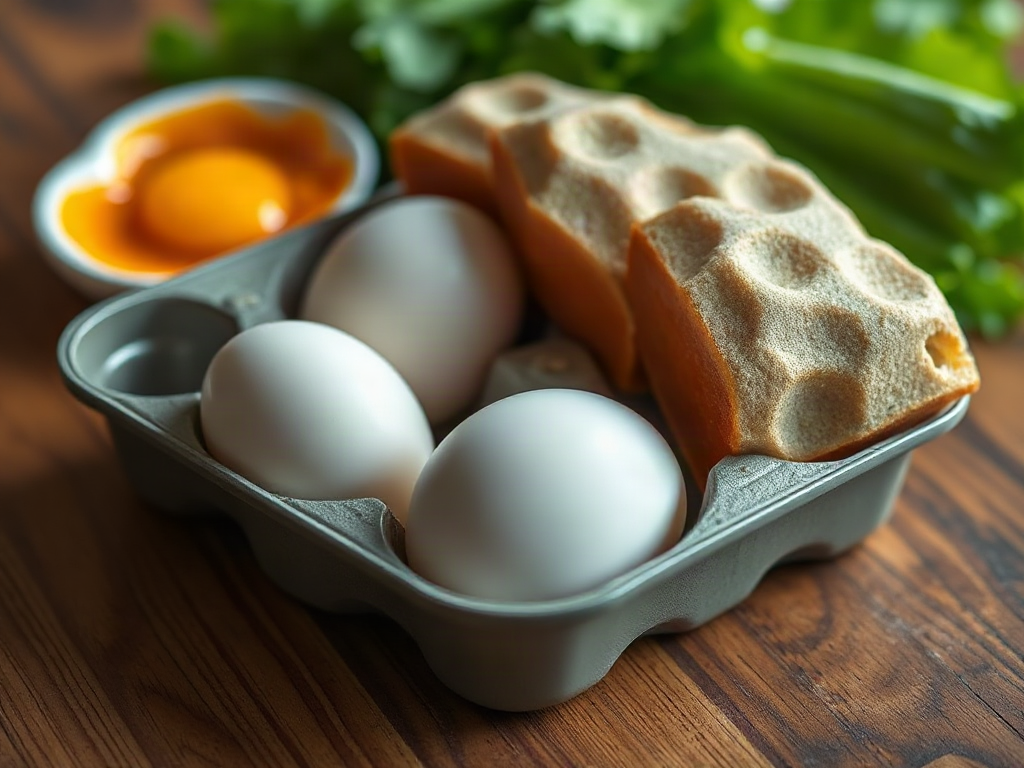
High-cholesterol foods do not affect cardiovascular risk in isolation; their impact depends on saturated fat, overall eating patterns, individual LDL response, and the foods they replace. Eggs and shellfish contain substantial dietary cholesterol but relatively little saturated fat, while processed meats, fatty cuts, and full-fat dairy may raise greater concern because they combine cholesterol with saturated fat. Most people should prioritize lowering saturated fat, increasing soluble fiber, and replacing fatty animal products with legumes, nuts, fish, and unsaturated oils. Anyone with high LDL cholesterol, diabetes, familial hypercholesterolemia, or established cardiovascular disease should discuss dietary cholesterol targets with a qualified clinician rather than assuming general guidance applies unchanged.
Why Dietary Cholesterol Is Only Part of the LDL Picture
Dietary cholesterol and blood cholesterol are related, but they are not interchangeable. Cholesterol in food is absorbed through the intestine, while the body also produces cholesterol for cell membranes, hormones, and bile acids. When dietary intake changes, the body may partly compensate by adjusting its own production. The size of that adjustment varies among individuals, which is why two people can eat similar meals and experience different changes in LDL cholesterol.
Saturated fat is often the more consequential dietary factor because it can reduce the liver’s ability to clear LDL particles from circulation. Foods such as butter, fatty processed meat, cream, and certain baked goods may therefore matter for two reasons: some contain cholesterol, and they also deliver substantial saturated fat. By comparison, shrimp and many other shellfish contain cholesterol but relatively little saturated fat when they are steamed, grilled, or otherwise prepared without butter-heavy sauces.
The current dietary context is therefore less about declaring every cholesterol-containing food harmful and more about examining the complete nutrient package. An egg served with beans, vegetables, and whole-grain toast creates a different nutritional setting from eggs served with bacon, sausage, buttered white toast, and fried potatoes. The egg may be the most obvious cholesterol source in both meals, but the second plate contains more saturated fat, sodium, refined carbohydrate, and processed meat.
Individual risk still changes the decision. Someone with persistently elevated LDL cholesterol, a strong family history of premature cardiovascular disease, familial hypercholesterolemia, diabetes, or existing heart disease may need more individualized limits than a healthy person with LDL levels in an acceptable range. Medication use does not make food quality irrelevant, and dietary changes should not be treated as a substitute for prescribed treatment.
A common mistake is to focus on the cholesterol number on a label while ignoring serving size and saturated fat. A more useful first check is the combination of saturated fat, processing, portion frequency, and the food being displaced. That broader interpretation should frame any discussion of High-cholesterol foods and current dietary context.
Which High-Cholesterol Foods Deserve Closer Attention
High-cholesterol foods differ sharply in nutritional value and likely dietary impact. Egg yolks, shellfish, organ meats, red meat, processed meat, and full-fat dairy can all contribute cholesterol, yet grouping them together hides meaningful differences in saturated fat, sodium, protein quality, micronutrients, and typical portion size.
Eggs supply protein, choline, vitamin B12, and other nutrients. Their suitability depends on the rest of the eating pattern and the individual’s lipid response. For a person whose breakfast is low in saturated fat and rich in fiber, moderate egg consumption may fit differently than it would for someone regularly combining several eggs with sausage, cheese, and butter. Separating the egg from its usual accompaniments makes the decision more accurate.
Shellfish such as shrimp, crab, and lobster can also fit into a heart-conscious pattern when cooked without large amounts of butter, coconut-based sauce, or deep-frying oil. Preparation can turn a relatively lean protein into a meal high in saturated fat or excess calories. Breaded fried shrimp with creamy dipping sauce should not be evaluated as nutritionally equivalent to grilled shrimp over lentils and vegetables.
Processed meats deserve closer scrutiny because bacon, sausage, salami, and similar products often combine saturated fat with high sodium and extensive processing. Leaner deli products can still be sodium-heavy. Fresh fish, beans, lentils, tofu, or unprocessed poultry generally offer a different risk profile, particularly when they replace rather than merely accompany processed meat.
Organ meats are exceptionally concentrated sources of cholesterol and certain micronutrients. Liver, for example, provides iron, vitamin B12, and vitamin A, but frequent or large servings may be unsuitable for some people. Vitamin A exposure also warrants attention during pregnancy, and anyone with a relevant medical condition should seek individualized advice.
Full-fat cheese, cream, butter, and fatty cuts of beef or pork often warrant more attention to saturated fat than to cholesterol alone. Practical alternatives include olive or canola oil in place of butter, plain lower-fat yogurt in place of cream-based toppings, and beans or fish in place of some fatty meat meals. The goal is not to label one ingredient forbidden; it is to identify which recurring foods make the largest contribution to the pattern.
How to Evaluate Meals Instead of Isolated Ingredients
A meal-level assessment reveals risks that a single nutrient number misses. Start by identifying the main protein, cooking fat, fiber source, degree of processing, and portion size. These five features usually provide more decision value than asking whether one ingredient contains cholesterol.
Consider a restaurant omelet filled with cheese and processed meat, cooked in butter, and served with fried potatoes. Replacing the whole eggs with egg whites reduces dietary cholesterol, but the meal may remain high in saturated fat, sodium, and calories. A more substantial revision would use vegetables, a modest amount of cheese, a combination of whole egg and egg whites if desired, minimal added butter, and fruit or whole-grain toast on the side.
Fiber changes the context because soluble fiber can help reduce intestinal reabsorption of bile acids, prompting the body to use cholesterol to make more bile. Oats, barley, beans, lentils, apples, citrus, and certain seeds are practical sources. Adding these foods is not a license to ignore saturated fat, but it creates a more favorable pattern than merely removing egg yolks while leaving processed meat and low-fiber refined foods untouched.
Replacement quality also determines whether a change is useful. Swapping butter for olive oil replaces saturated fat with predominantly unsaturated fat. Replacing a fatty meat entrée with lentils adds fiber while reducing saturated fat. In contrast, replacing eggs with a pastry may lower dietary cholesterol but increase refined starch, added sugar, and saturated fat depending on the ingredients. Lower cholesterol on paper does not automatically mean a better meal.
Frequency matters alongside portion size. An occasional serving of a cholesterol-rich food has a different role from the same food appearing at breakfast, lunch, and dinner throughout the week. A short food record can expose repetition that memory misses. Record major protein sources, cooking fats, cheese, cream-based sauces, fried items, and fiber-rich plants for several typical days rather than documenting only unusually health-conscious days.
Signs that the approach is working include a sustained shift toward unsaturated fats, more legumes and whole grains, fewer processed-meat meals, and lipid results moving in the intended direction when rechecked on a clinician-recommended schedule. If LDL remains high despite consistent changes, the response should not be harsher self-restriction without guidance. Genetics, medical conditions, medication needs, and other factors may require clinical evaluation beyond High-cholesterol foods and current dietary context.
A Practical Checklist for Lowering Dietary Risk
An effective plan targets repeated sources of saturated fat before policing every trace of dietary cholesterol. The most productive changes are usually those that can be applied to routine breakfasts, cooking methods, restaurant orders, and protein choices without making the diet nutritionally narrow.
- Review recent lipid results. Note LDL cholesterol, non-HDL cholesterol, triglycerides, and any targets discussed with a clinician. A food plan should respond to actual risk rather than assumptions.
- Find recurring saturated-fat sources. Check butter, cream, cheese, fatty meat, processed meat, pastries, and foods made with coconut or palm fats.
- Choose specific replacements. Use unsaturated oils, nuts, seeds, legumes, fish, or leaner unprocessed proteins where they realistically fit.
- Add soluble-fiber foods regularly. Oats at breakfast, beans at lunch, barley in soup, or fruit with nuts are practical combinations.
- Reassess rather than guess. Maintain the changes consistently and follow the testing schedule recommended by the treating clinician.
Budget and access can shape the plan. Canned beans, dried lentils, oats, frozen vegetables, canned fish, and peanut butter can make a lower-saturated-fat pattern affordable. Rinsing canned beans or choosing lower-sodium options can reduce sodium exposure. Premium products are unnecessary; consistency in staple foods usually matters more than specialty labels.
Label reading should remain selective. Compare saturated fat per realistic serving, then consider sodium, fiber, added sugars, and ingredient composition. “Cholesterol-free” does not mean heart-healthy: a plant-based packaged product can contain no cholesterol yet be rich in saturated fat if coconut or palm fat is prominent. Conversely, a minimally processed food containing some cholesterol may still provide useful nutrients and fit in a balanced pattern.
A rigid elimination strategy can fail by making meals difficult to sustain or by displacing nutrient-rich foods without improving overall quality. People who remove eggs and dairy, for example, should ensure that protein, vitamin B12, calcium, vitamin D, iodine, and other relevant nutrients remain adequately supplied through suitable foods or professionally advised supplementation.
Seek personalized care when LDL is very high, cardiovascular disease is present, cholesterol problems run strongly in the family, or dietary changes produce little movement in laboratory results. Children, pregnant people, older adults with poor appetite, and those with kidney, liver, metabolic, or eating disorders may also need modified advice. A registered dietitian can translate High-cholesterol foods and current dietary context into a plan that accounts for medical needs, food preferences, and adequate nutrition.
Frequently Asked Questions
Are eggs bad for high cholesterol?
Eggs are not automatically excluded, but the appropriate amount depends on LDL levels, overall saturated-fat intake, usual meal pairings, and individual medical risk. Ask a clinician or dietitian for individualized guidance if LDL is elevated.
Is shrimp worse than red meat because it contains more cholesterol?
Not necessarily. Shrimp is relatively low in saturated fat, while a fatty cut of red meat may supply more saturated fat. Portion, cooking method, accompanying foods, and personal risk all affect the comparison.
Should I avoid all dietary cholesterol if my LDL is high?
Complete avoidance is not routinely necessary for everyone. Prioritize saturated-fat reduction and food quality, then obtain personalized advice if LDL is markedly elevated or cardiovascular risk is high.
Can a cholesterol-free food still raise concern?
Yes. Foods made with coconut or palm fat can be cholesterol-free but high in saturated fat. Refined snacks may also displace fiber-rich foods without improving the overall dietary pattern.
How soon should cholesterol be rechecked after dietary changes?
The appropriate timing depends on baseline risk, medication use, and the clinician’s treatment plan. Follow the testing interval recommended by the professional managing your cholesterol rather than relying on symptoms.
Conclusion
Food choices are most useful when they target the pattern driving risk rather than one conspicuous nutrient. Review saturated fat, processing, cooking methods, fiber, portions, and replacement foods before deciding whether eggs, shellfish, dairy, or meat fit your routine. Favor legumes, whole grains, vegetables, fruit, nuts, fish, and unsaturated oils while reducing recurring sources of fatty processed meat, butter, cream, and similar products.
Use lipid testing to judge results instead of assuming that a restrictive diet is working. If LDL remains elevated, family history is concerning, or cardiovascular disease or diabetes is present, bring a realistic food record to a clinician or registered dietitian. The next step may involve more precise dietary changes, evaluation for inherited risk, medication, or a combination rather than simply removing every food that contains cholesterol.
Related Content
- How to Adjust Superfood Intake Based on Activity Level: Optimal Foods and Timing for Performance
- How to Start a Whole Food Superfood Routine (Step-by-Step)
- Top Whole Foods That Help Reduce Inflammation (Naturally)
- How to Balance Superfoods with Other Food Groups: Key Foods, Nutritional Strategies, and Practical Tips
- What To Do If Superfoods Cause Headaches: Causes, Food Swaps, And Safe Next Steps