
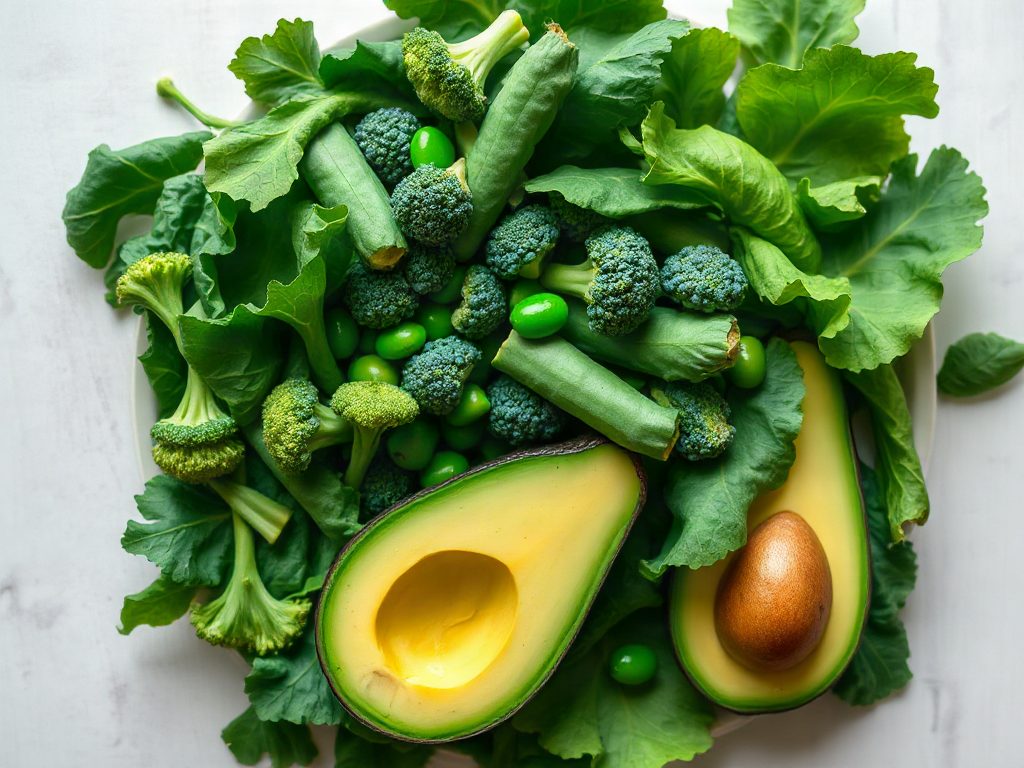
Green foods with the most useful nutrients include leafy greens, broccoli, peas, avocado, kiwi, herbs, and legumes because they combine fiber with vitamins, minerals, healthy fats, or plant compounds. Spinach and kale provide folate, vitamin K, and carotenoids; broccoli contributes vitamin C and sulforaphane-related compounds; peas and green beans add fiber and plant protein; avocado supplies monounsaturated fat and potassium. Nutrient value depends on the whole food, preparation method, portion, and dietary context, so variety matters more than choosing one “best” item. Light cooking can improve texture and reduce volume, while excessive boiling may reduce some water-soluble vitamins.
Which Green Foods Deliver the Broadest Nutrient Value?
The most useful green foods are not necessarily the darkest or most heavily marketed. The strongest everyday choices combine several valuable features: meaningful amounts of vitamins and minerals, dietary fiber, useful plant compounds, reasonable calorie density, and enough versatility to appear regularly in meals. Leafy greens, broccoli, Brussels sprouts, peas, beans, avocado, kiwi, and fresh herbs each contribute differently.
Leafy vegetables such as kale, collard greens, romaine, and spinach are notable for folate, vitamin K, carotenoids, and varying amounts of vitamin C. Broccoli and Brussels sprouts add fiber, vitamin C, and glucosinolate compounds associated with cruciferous vegetables. Green peas and edamame are more substantial sources of carbohydrate and plant protein than salad greens, while avocado brings monounsaturated fat, fiber, and potassium. Kiwi contributes vitamin C and fiber in a fruit format.
That comparison matters because “nutrient-dense” does not mean nutritionally complete. A bowl of spinach may provide folate and vitamin K but little protein or energy. Edamame can make the same meal more filling, yet it does not replace the range of nutrients found in other vegetable groups. A useful selection therefore depends on the job the food must perform: greens for volume and micronutrients, legumes for protein and fiber, avocado for fat and texture, and herbs for concentrated flavor.
A practical priority list looks like this:
- For vitamin K and folate: kale, collards, spinach, and other leafy greens.
- For vitamin C and cruciferous compounds: broccoli, Brussels sprouts, and cabbage.
- For plant protein and fiber: edamame, peas, lentils, and green beans.
- For potassium and unsaturated fat: avocado.
- For flavor with minimal quantity: parsley, cilantro, basil, and watercress.
The common mistake is ranking foods by a single nutrient. A better approach is to rotate categories across the week and use green foods with the most useful nutrients in meals that also contain protein, whole-food carbohydrates, and a suitable fat source.
Leafy Greens, Cruciferous Vegetables, and Herbs Compared
Leafy greens offer the widest micronutrient range per serving, but their differences become clearer when preparation and portion size are considered. Spinach is tender and easy to add to eggs, soups, or smoothies. Kale and collards are sturdier and often more satisfying after cooking. Romaine provides crunch and hydration, while watercress and parsley can add strong flavor and plant compounds in smaller amounts.
Raw and cooked greens are not interchangeable in practical use. Cooking collapses the leaves, allowing a person to eat a larger amount, but prolonged boiling may move some water-soluble nutrients into the cooking liquid. Steaming, quick sautéing, microwaving with minimal water, or adding greens directly to soup can preserve more of the food than discarding a large pot of cooking water. Fat-containing ingredients such as olive oil, nuts, seeds, or avocado can also make a vegetable meal more satisfying and may help the body use fat-soluble compounds, without implying that any single pairing guarantees improved absorption.
Cruciferous vegetables deserve their own place rather than being treated as interchangeable salad ingredients. Broccoli is convenient roasted, steamed, or chopped into grain bowls. Brussels sprouts become sweeter and more tender when roasted, while cabbage remains affordable, durable, and useful in slaws, stir-fries, and soups. Their flavor can be stronger than lettuce, so seasoning, acidity, and cooking time often determine whether they become regular foods or are abandoned after one unpleasant meal.
Herbs work differently. A handful of parsley or cilantro will not provide the same calories, protein, or fiber as a serving of peas, but herbs can replace some salt-heavy sauces and make simple legumes or vegetables appealing. That behavioral value matters: a nutrient-rich food eaten repeatedly is more useful than an impressive ingredient that remains unused in the refrigerator.
Consider a weeknight bowl with brown rice, edamame, steamed broccoli, avocado, and chopped cilantro. It covers more nutritional ground than a large serving of plain lettuce because it includes fiber, plant protein, vitamin C, potassium, and fat for texture. The tradeoff is that avocado and dressings add energy, while raw cruciferous vegetables may cause bloating for some people. Adjusting portions and cooking methods is more sensible than labeling the entire meal as good or bad.
How to Preserve Nutrients During Shopping and Cooking
Freshness, storage, and cooking method influence the practical nutrient value of green produce. A vegetable that is purchased in large quantities and spoils before it is eaten contributes less to a diet than frozen produce used promptly. Frozen peas, edamame, spinach, and broccoli can be useful choices because they are convenient, require little preparation, and can remain available when fresh produce is expensive or out of season.
Shopping should match the intended use. Choose sturdy greens such as kale or collards when several days of storage are likely; select tender spinach or herbs when they will be used soon. Keep produce dry enough to limit premature decay, remove visibly spoiled leaves, and follow ordinary food-safety practices for washing and refrigeration. Prewashed products save time but should still be handled according to their package directions.
Cooking decisions should preserve both nutrients and eating quality. Steaming or quick sautéing works well for broccoli and greens because the vegetables soften without becoming waterlogged. Roasting concentrates flavor and may encourage larger portions of Brussels sprouts or green beans, although very high heat can darken or burn the exterior. Microwaving with a small amount of water is another efficient option. Boiling is not automatically harmful, especially when the cooking liquid becomes part of a soup, but draining it removes nutrients that moved into the water.
Raw preparation has advantages and drawbacks. A raw kale salad retains its crisp texture and needs no cooking, but massaging the leaves with dressing improves tenderness and makes the serving easier to eat. Raw spinach works in salads, yet cooking allows much more spinach to fit into a meal. Neither form is universally superior. The useful question is whether the preparation helps the person eat an appropriate portion consistently.
Watch for the failure mode of buying by aspiration rather than by routine. If a large bag of greens repeatedly wilts, switch part of the purchase to frozen vegetables, use hardy cabbage, or plan one specific meal before shopping. For more meal ideas, connect this topic with green foods with the most useful nutrients and choose formats that fit the available time, equipment, and budget.
Building Practical Meals Around Green Nutrient-Dense Foods
Green vegetables become more useful when they are assigned a clear role in a complete meal. Start with a protein source, add one or two green foods, then include a carbohydrate or additional fat according to appetite and dietary needs. This structure prevents a common problem: replacing a meal with a low-calorie pile of greens and becoming hungry soon afterward.
For breakfast, spinach can be folded into eggs with beans and whole-grain toast. At lunch, chickpeas, cucumber, parsley, avocado, and leafy greens can form a filling salad when paired with a substantial dressing and a grain or bread. Dinner might combine tofu or fish with roasted broccoli, peas, and potatoes. A snack could use kiwi with yogurt or edamame with fruit. These examples show why nutrient usefulness is partly a meal-design issue rather than a contest between individual foods.
People with limited cooking time may do better with frozen vegetables, canned beans, prewashed greens, and ready-to-eat avocado. People managing food costs can emphasize cabbage, frozen peas, green beans, and dried or canned legumes while using more expensive items such as avocado or fresh herbs selectively. People who dislike bitter flavors can begin with romaine, peas, green beans, or broccoli roasted until tender, then gradually add stronger greens.
Digestive tolerance also affects the best choice. Large amounts of raw kale, broccoli, beans, or peas may cause gas or discomfort in some people, particularly when intake rises suddenly. Smaller portions, thorough cooking, and gradual increases may be easier to tolerate. Persistent or severe symptoms deserve individualized medical advice rather than a universal elimination rule.
A useful sign that a plan is working is repeatability: the foods are eaten across different meals, stored successfully, and leave enough satisfaction to support normal eating. A sign that it is failing is a cycle of buying produce, avoiding it, and compensating with highly processed convenience foods. The practical solution is usually a simpler format, not a more exotic green ingredient. A related green-food meal pattern can be adjusted to taste, culture, season, and household needs.
Common Mistakes and Sensible Limits
Green color is not a guarantee of superior nutrition. Green fruit drinks, vegetable chips, sweetened powders, and heavily salted packaged snacks may contain some plant ingredients while offering less fiber or more added sugar, sodium, or refined starch than the whole food. Check the ingredient list and nutrition facts rather than relying on color, package claims, or the word “superfood.”
Another mistake is assuming that more is always better. Spinach and other leafy greens contain vitamin K, which matters for people taking certain anticoagulant medicines; such individuals should seek individualized medical guidance and avoid abrupt, large changes in intake. People with kidney disease or other conditions affecting potassium may also need professional advice before substantially increasing high-potassium foods such as avocado or certain greens. These cautions do not make the foods unsuitable for everyone; they show why medical context matters.
Supplement powders are not a direct replacement for vegetables. They may be convenient, but they often provide less texture and fiber than whole produce, and their formulas vary. A powder can supplement a routine when access is limited, but it should not displace ordinary meals without a clear reason. Whole peas, broccoli, herbs, and greens also contribute chewing, water, and meal volume that a concentrated product may lack.
Prioritize variety, regular use, and appropriate preparation over perfection. A rotation of leafy greens, cruciferous vegetables, legumes, green fruit, and herbs covers more dietary functions than repeating one fashionable ingredient. If a food causes discomfort, test portion size and cooking method before assuming all green produce is unsuitable. If a health condition, medication, or therapeutic diet is involved, a registered dietitian or clinician can help match choices to individual requirements.
Frequently Asked Questions
Which green food is highest in nutrients?
No single green food is best for every nutrient. Leafy greens are strong sources of folate and vitamin K, broccoli adds vitamin C and fiber, and edamame contributes plant protein.
Are frozen green vegetables nutritious?
Yes, frozen peas, broccoli, spinach, and edamame can be practical nutrient-rich choices, especially when they reduce spoilage and make regular vegetable intake easier.
Is it better to eat greens raw or cooked?
Both forms can fit a healthy diet. Cooking reduces volume and improves tenderness, while quick methods using little water may limit nutrient losses compared with prolonged boiling.
Can green foods provide enough protein?
Some do, particularly edamame, peas, and legumes, but leafy greens and herbs provide little protein per typical serving. Pair them with beans, tofu, eggs, dairy, fish, or another protein source.
Who should ask a clinician before increasing leafy greens?
People taking medicines affected by vitamin K, or those managing kidney disease or another condition requiring mineral limits, should discuss major dietary changes with a qualified clinician.
Conclusion
The most useful green foods are the ones that contribute distinct nutrients and fit the way you actually shop, cook, and eat. Rotate leafy greens for folate and vitamin K, cruciferous vegetables for fiber and vitamin C, legumes for plant protein, avocado for satisfying fat, and herbs for flavor. Use frozen produce when it improves consistency, choose quick cooking methods when appropriate, and build meals around more than vegetables alone. Pay attention to digestive tolerance, medication interactions, and medical conditions that may change nutrient priorities. A varied green-food routine does not require rare ingredients or complicated recipes; it requires dependable choices that appear often enough to contribute meaningfully to the overall diet.
Related Content
- Which Superfoods Are Best for Heart Health Support: Top Choices for Cardiovascular Wellness
- How to Balance Whole Foods With Processed Foods: Practical Steps for a Healthy Diet
- What To Consider When Comparing Superfood Brands For Quality, Value, And Transparency
- Why Some Superfoods Don’t Enhance Athletic Performance: Key Nutrients, Misconceptions, and Practical Insights
- Edamame Nutrition, Protein, And Serving Size For Higher-Protein Plant-Based Meals