
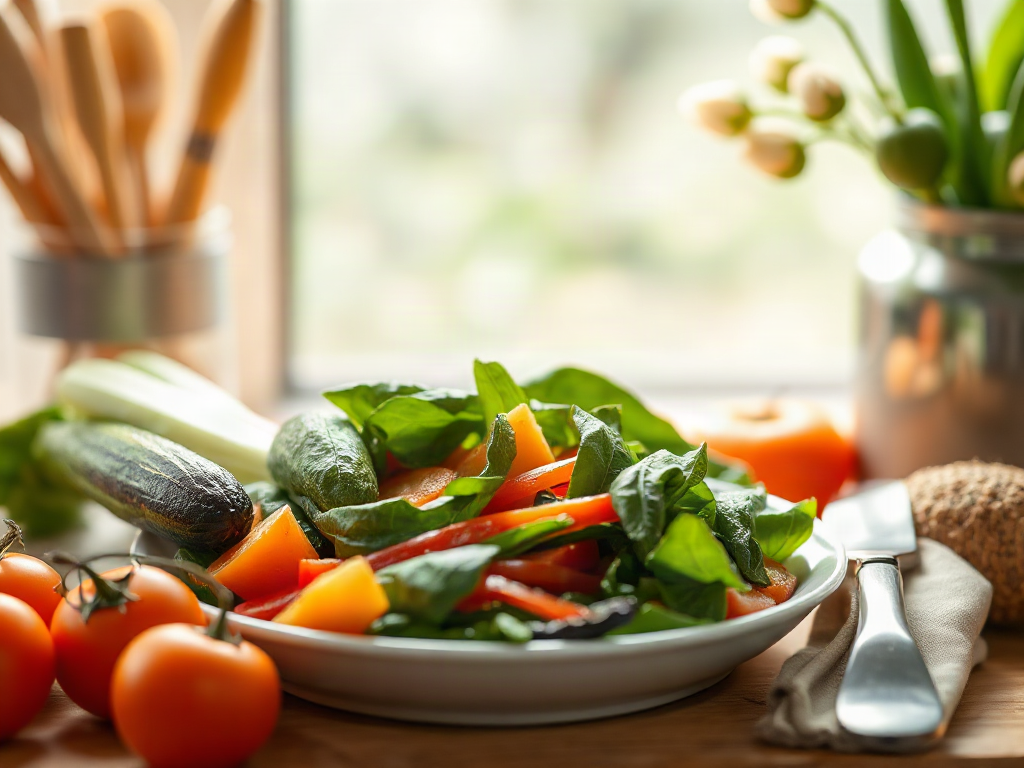
What a Longevity-Oriented Plant-Based Pattern Looks Like
A longevity-oriented plant-based diet is built around a wide range of minimally processed plant foods, with enough energy and protein to maintain muscle, bone, and daily function. The phrase “plant-based” does not automatically describe a nutritious pattern. A menu of refined grains, sweetened drinks, fried foods, and packaged meat alternatives may be technically plant-based while providing less fiber, micronutrient variety, or protein quality than a diet centered on beans, vegetables, fruit, whole grains, nuts, and seeds.
The strongest practical foundation is dietary diversity. Legumes contribute protein, iron, potassium, and fermentable fiber; intact or minimally processed grains supply carbohydrate, minerals, and additional protein; vegetables and fruit add potassium, folate, vitamin C, carotenoids, and polyphenols; nuts and seeds provide unsaturated fats, magnesium, and energy. These foods work together rather than acting as isolated “superfoods.” For example, lentil stew with tomatoes, greens, and whole-grain bread is more nutritionally useful than relying on a single green smoothie or a large serving of one grain.
Long-term health also depends on what replaces animal foods. Replacing processed meat with beans, tofu, or nuts is a different nutritional decision from replacing it with refined snack foods. Similarly, replacing dairy with an unsweetened fortified soy beverage may preserve more protein and calcium than choosing a low-protein beverage without fortification. The better comparison is not plant versus animal in the abstract; it is the nutrient density, processing level, portion, and regularity of the foods on the plate.
A useful starting pattern includes vegetables at most main meals, legumes daily or nearly daily, fruit regularly, whole grains according to appetite, and a modest serving of nuts or seeds. Olive or canola oil can be used when extra energy or culinary flexibility is needed, but an entirely oil-heavy diet can displace foods that provide protein and micronutrients. Readers developing a broader plant-based diet for longevity and nutrient adequacy should judge the pattern by what appears repeatedly across a week, not by whether every individual meal is perfect.
Building Meals That Cover Protein and Key Nutrients
Meal structure matters because nutrient adequacy is easier to achieve through combinations than through isolated ingredients. A dependable plate usually contains a protein anchor, several colorful plant foods, a source of substantial carbohydrate, and a source of unsaturated fat when appropriate. A bean-and-vegetable chili over brown rice, tofu with soba and broccoli, or chickpea pasta with tomato sauce and a side salad can all meet this structure without complicated recipes.
Protein deserves particular attention for older adults, people with high activity levels, and anyone eating at a calorie deficit. Beans, lentils, peas, tofu, tempeh, edamame, seitan, soy yogurt, and fortified soy milk are useful options. Whole grains, nuts, seeds, and vegetables add protein too, but depending on them alone may require very large portions. Soy foods are especially practical because they are versatile and generally provide more protein per serving than many other plant options. Seitan can be protein-dense but is not suitable for people who must avoid gluten.
Protein quality does not require pairing complementary proteins at every bite. Eating varied plant foods over the day supplies different amino acid profiles. A breakfast of fortified soy yogurt with oats and seeds, followed by a lunch of lentil soup and whole-grain toast, illustrates how variety accumulates. The common failure is building meals around vegetables and starch while treating a small garnish of beans or seeds as the principal protein source. Hunger between meals, difficulty maintaining weight, or declining strength may signal that portions or protein anchors need adjustment.
Calories are another hidden constraint. High-fiber foods are filling, which is useful for many people but challenging for those with small appetites or increased energy needs. Adding tahini, nut butter, avocado, olive oil, tofu, or a thicker bean spread can raise energy without requiring an unusually large bowl of vegetables. Conversely, someone trying to reduce excess energy intake may need to moderate calorie-dense additions while keeping legumes and vegetables prominent. The right pattern is flexible rather than uniformly low-fat or uniformly raw.
For a simple planning check, review each main meal and ask:
- What is the substantial protein source?
- Which plant foods provide color, fiber, and micronutrient variety?
- Is there enough carbohydrate for the person’s activity and appetite?
- Which fortified food or planned supplement covers a nutrient that food alone may not reliably provide?
The Nutrients That Need Deliberate Planning
Vitamin B12 is the clearest example of a nutrient that should not be left to chance on a vegan diet. Unfortified plant foods are not reliable B12 sources, so people avoiding animal foods generally need a dependable fortified food, supplement, or both. Fortified nutritional yeast, some plant beverages, and selected meat alternatives may contribute, but labels differ and serving habits change. A consistent plan is more dependable than assuming occasional fortified food will cover requirements.
Calcium can come from calcium-set tofu, fortified plant beverages, fortified soy yogurt, some leafy greens, tahini, and other foods. Absorption varies by food; for instance, some greens contain compounds that reduce calcium availability compared with more absorbable fortified foods or calcium-set tofu. Vitamin D status depends on factors such as sunlight exposure, season, skin characteristics, location, and supplementation, so testing or individualized advice may be appropriate rather than guessing from diet alone.
Iron is present in lentils, beans, tofu, tempeh, pumpkin seeds, oats, and several whole grains. Plant iron is less readily absorbed than heme iron, but meal composition can improve its use. Adding berries, citrus, tomatoes, peppers, or another vitamin C-rich food to a bean or lentil meal is a practical choice. Tea or coffee taken with meals may reduce iron absorption for some people, so those with low iron status may need more specific timing advice. Fatigue should not automatically be attributed to a plant-based diet; persistent symptoms warrant medical evaluation.
Iodine requires a separate strategy because many whole plant foods contain variable amounts. Iodized salt can provide iodine, but salt intake should still fit an individual’s health needs. Sea vegetables are not a precise substitute because iodine content can vary widely. Omega-3 planning is also worthwhile: ground flaxseed, chia seeds, hemp seeds, and walnuts provide alpha-linolenic acid, while algae-derived DHA or EPA supplements may be considered by people seeking a direct long-chain omega-3 source. Evidence and personal circumstances differ, so supplementation should not be presented as a universal treatment.
Zinc, selenium, choline, and riboflavin can usually be addressed through varied legumes, grains, nuts, seeds, vegetables, and fortified foods, but restrictive menus create more risk. Soaking, cooking, fermenting, or sprouting legumes and grains can improve texture and may reduce some compounds that interfere with mineral absorption. The practical priority is not chasing every nutrient in isolation; it is maintaining a varied base and deliberately covering B12, calcium, iodine, vitamin D, iron, and omega-3 needs where relevant. The nutrient adequacy planning matters most when the menu is narrow, appetite is low, or life-stage needs are higher.
A Practical Weekly System and Common Mistakes
A weekly system makes a plant-based pattern easier to sustain than relying on daily inspiration. Cook one or two legume-based dishes, prepare a grain or starchy base, wash or portion produce, and keep quick protein options available. Frozen vegetables, canned beans, plain tofu, unsweetened fortified soy milk, and whole-grain bread can be useful convenience foods. Rinsing canned beans reduces excess sodium, while comparing labels helps distinguish a fortified staple from a product that only appears nutrient-rich.
Variety can be organized without creating a complicated menu. Rotate lentils, black beans, chickpeas, peas, tofu, tempeh, and edamame; alternate oats, barley, brown rice, quinoa, whole-grain pasta, and potatoes; and use different colors of vegetables throughout the week. A person with limited cooking time might prepare lentils on the weekend, use frozen vegetables for two dinners, and assemble chickpea wraps for lunch. An advanced approach may include homemade tempeh or elaborate recipes, but those are optional. Consistency with simple foods generally beats an ambitious plan that collapses after a few days.
Several mistakes appear repeatedly. Eating only raw produce can make adequate calories and protein difficult. Depending on refined vegan convenience foods can crowd out legumes and vegetables while increasing sodium or added sugar. Avoiding all fortified foods may create preventable B12, calcium, or vitamin D gaps. Another mistake is assuming that a large salad demonstrates nutritional adequacy; leafy greens are valuable, but a salad without beans, tofu, grains, or another substantial component may not function as a complete meal.
Track practical signals rather than expecting immediate proof of long-term benefit. Stable energy, satisfying meals, regular bowel habits, maintained strength, and a weight pattern appropriate for the individual suggest that the structure is working. Persistent hunger, unintended weight loss, reduced exercise capacity, brittle dietary rules, or reliance on supplements without a food base suggest a revision is needed. A food log for several typical days can reveal missing protein anchors, inadequate total intake, or a lack of fortified foods more clearly than memory can.
When to Personalize the Plan
A generally healthy adult may be able to build an adequate pattern from varied foods and a reliable B12 strategy, but dietary needs change with age, pregnancy, breastfeeding, athletic training, medical conditions, and appetite. Children and adolescents need enough energy and nutrients for growth. Older adults may benefit from more deliberate protein distribution and calorie density because appetite and muscle mass can decline. Pregnancy and breastfeeding require individualized attention to nutrients such as B12, iron, iodine, choline, calcium, vitamin D, and omega-3 fats.
Medical conditions can change what is practical. Kidney disease may require professional guidance about potassium, phosphorus, protein, or fluid; gastrointestinal disorders may affect tolerance of legumes and high-fiber foods; food allergies can remove common protein or fortified-food options. People taking medication or managing diagnosed anemia should not use a plant-based diet as a substitute for assessment. A registered dietitian or clinician can review symptoms, laboratory results, medications, and actual intake rather than applying a generic checklist.
Personalization does not mean abandoning the pattern when one food causes trouble. Lentils may be replaced temporarily with tofu, split peas, canned beans, or well-cooked legumes; whole nuts may be replaced with nut butter; large salads may be replaced with cooked vegetables when digestion is sensitive. Gradual fiber increases, adequate fluids, and thorough cooking may improve tolerance, but severe or persistent symptoms need evaluation. The right alternative preserves the nutritional role of the food whenever possible.
The decision point is whether the current menu can be repeated comfortably while covering essential nutrients. If the answer is no, simplify the meals, add fortified staples, adjust portions, or seek tailored advice. A sustainable pattern may include some packaged plant-based foods, restaurant meals, or flexible choices; longevity does not depend on dietary perfection. It depends more plausibly on a nourishing pattern that can be maintained, supports adequate intake, and fits the person’s health circumstances. Readers can use this plant-based framework as a starting point, then refine it using appetite, performance, symptoms, and professional guidance where needed.
Frequently Asked Questions
Can a plant-based diet provide enough protein?
Yes, when meals regularly include beans, lentils, tofu, tempeh, edamame, peas, seitan, fortified soy foods, nuts, and seeds. People with high needs or small appetites may need larger portions or more concentrated protein choices.
Is vitamin B12 necessary on a vegan diet?
A reliable B12 source is generally necessary when animal foods are excluded because ordinary unfortified plant foods do not consistently supply it. Use labeled fortified foods or a supplement according to qualified professional guidance.
How can plant-based meals support iron intake?
Use lentils, beans, tofu, tempeh, pumpkin seeds, oats, and whole grains, and pair them with vitamin C-rich produce such as peppers, citrus, or tomatoes. People with diagnosed low iron should seek medical advice rather than self-treating.
Are processed vegan foods compatible with longevity goals?
They can fit occasionally, especially for convenience, but they should not displace legumes, vegetables, fruit, whole grains, nuts, seeds, and fortified staples. Compare sodium, added sugar, protein, and ingredient quality rather than relying on a vegan label.
What should someone check first when starting?
Check whether each main meal has a substantial protein source, whether calories are adequate, and whether B12, calcium, iodine, vitamin D, iron, and omega-3 needs have a dependable plan.
Further Reading
Authoritative Sources
- Vitamin B12 Fact Sheet for Consumers
ods.od.nih.govExplains reliable B12 sources, supplementation, and factors that can affect status on plant-based diets
- Iron Fact Sheet for Consumers
ods.od.nih.govProvides evidence-based information about iron sources, absorption, and intake considerations
- MyPlate Food Group Guidance
myplate.govOffers a government food-group framework that can help organize varied plant-centered meals
Conclusion
A well-planned plant-based diet can support long-term health while meeting nutrient needs, but the result depends on composition rather than the label alone. Make legumes, tofu or tempeh, whole grains, vegetables, fruit, nuts, and seeds recurring parts of the week. Cover B12 deliberately, use fortified foods intelligently, and review calcium, iodine, vitamin D, iron, and omega-3 sources instead of assuming variety will solve every gap. Pay attention to protein distribution, total calories, appetite, strength, and digestion; those signals reveal whether the plan works in daily life. Start with a small set of repeatable meals, then adjust for age, activity, symptoms, pregnancy, medical conditions, or laboratory findings with qualified guidance.
Related Content
- What are the top superfoods to include in my diet?
- Tofu Nutrition, Protein, and Calcium Differences: Varieties, Labels, and Meal Choices
- Impact of Seasonal Foods on Nutrient Density: Maximizing Health Benefits Through Fresh Choices
- Why Some Superfoods May Lead to Digestive Discomfort: Common Causes and Solutions
- Whole Food Diet Before and After Changes: A Practical Timeline for Meals, Digestion, and Energy