
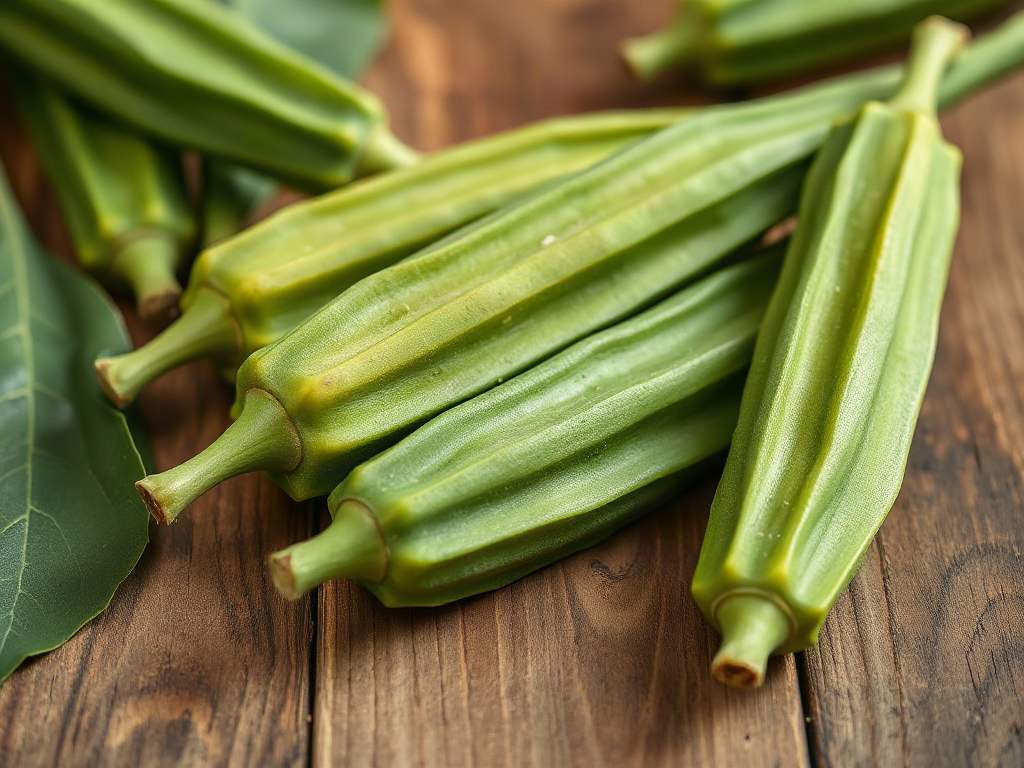
Okra nutrition, fiber, and preparation are closely linked: the fresh pod provides fiber, vitamin C, vitamin K, folate, and other nutrients, while cooking method determines whether its mucilage becomes silky or noticeably thick. Rinsing and drying pods before cutting limits excess surface moisture, and high-heat methods such as roasting, grilling, or quick sautéing usually produce a firmer result. Simmering and stewing release more mucilage, which can thicken soups and gumbo but may disappoint anyone expecting a crisp vegetable. Eat okra as part of varied meals rather than treating it as a cure or substitute for medical care, and increase portions gradually if your usual diet is low in fiber.
What Okra Contributes Nutritionally
Okra is a low-energy vegetable with a useful combination of dietary fiber, vitamins, minerals, and plant compounds. Its nutritional value comes from the whole pod, including the tender seeds and edible skin, rather than from a concentrated extract or supplement. The exact nutrient profile varies with pod size, maturity, storage, and cooking, so a food-composition database is more useful for precise numbers than a single universal claim.
Fiber is the feature most relevant to everyday meal planning. Some of it adds bulk, while soluble fractions interact with water and contribute to okra’s characteristic slippery texture. That combination may make a serving more filling and can help a meal contain more plant food, but it does not turn okra into a treatment for constipation, diabetes, or any other condition. People who rarely eat high-fiber foods may notice gas or abdominal discomfort after suddenly eating a large bowl.
Okra also supplies vitamin C, vitamin K, folate, and smaller amounts of minerals such as magnesium and potassium. Vitamin C is sensitive to prolonged heat and water exposure, while vitamin K is relatively stable during ordinary cooking. Those differences do not mean raw okra is automatically superior. A preparation that makes the vegetable appealing enough to eat regularly may be more valuable than preserving a modest amount of a heat-sensitive nutrient while leaving the food untouched.
Its seeds and green color sometimes lead to exaggerated “superfood” claims. Okra can fit a nutrient-dense eating pattern, especially alongside beans, tomatoes, whole grains, eggs, fish, or other vegetables, but it is not nutritionally complete by itself. For broader context, compare it with Okra nutrition, fiber, and preparation choices in the context of the entire plate, not as an isolated health promise.
How Fiber and Mucilage Behave
Okra’s mucilage is a water-binding substance made largely from soluble polysaccharides. When cut pods meet water, heat, or acidic liquid, this material can move into the surrounding dish and create a thick, silky consistency. The same property that gives stews body can be perceived as sliminess when the goal is a dry, browned vegetable. Understanding that mechanism makes preparation more predictable than simply labeling one method good and another bad.
Cutting exposes more surface area, so sliced okra generally releases mucilage faster than whole pods. Washing and leaving the pods wet has a similar effect because extra surface water encourages the material to disperse during cooking. A dry, intact pod cooked quickly at high heat behaves differently from chopped okra simmered in stock. Neither outcome is a nutrition failure; they are different texture decisions.
Acidic ingredients can change the eating experience, but they are not a magic switch that removes all mucilage. Tomatoes, vinegar, citrus, or tamarind may add brightness and can complement okra, while prolonged stirring and abundant liquid encourage more thickening. If a recipe calls for a thick sauce, releasing mucilage is useful. If the recipe aims for browned edges, moisture control matters more than adding an acidic ingredient at the end.
A common mistake is to treat fiber as something that should be maximized at every meal. More is not automatically better when it causes discomfort or displaces other foods. Start with a moderate portion, drink fluids according to your normal needs, and increase high-fiber vegetables gradually. Anyone with a medically prescribed diet, swallowing concern, persistent digestive symptoms, or a condition affected by vitamin K intake should ask a qualified clinician how okra fits their individual plan.
Preparation Methods for Different Textures
Drying the pods thoroughly is the most useful first step when you want less pronounced mucilage. Rinse whole pods, pat them dry, and let surface moisture evaporate before slicing. Trim only the stem end and avoid cutting the pods until you are ready to cook. Very large, tough pods may have woody ridges; smaller, firm pods are usually more tender and need less preparation.
Roasting, grilling, and quick sautéing favor browning because they expose okra to relatively intense heat without surrounding it with much liquid. Toss dry pieces with a small amount of oil and seasonings, spread them so they are not crowded, and turn them once or twice. Crowding traps steam and softens the pods. A hot skillet can create browned edges quickly, but excessively high heat can scorch the exterior before the center becomes tender.
Stewing, braising, and adding okra to soups use mucilage as a thickener. Add sliced pods when the dish can benefit from body, and expect the liquid to become more cohesive as cooking continues. Gumbo-style dishes, vegetable stews, and tomato-based preparations often suit this approach. Stirring gently rather than constantly helps preserve the pieces, while cooking okra separately before combining it with a stew can give you more control over texture.
Frying can make okra crisp, but a crisp coating does not erase the vegetable’s underlying fiber or guarantee a lighter meal. Batter, breading, and absorbed oil change the energy and sodium profile substantially. Air-frying may use less oil than deep-frying, although results depend on coating, spacing, and appliance performance. Choose a dry-heat method for firm pieces; choose moist heat when thickening and tenderness are the priority.
For a practical trial, divide one batch into three portions: roast one, simmer one in a tomato mixture, and sauté one briefly. Compare the surface browning, interior tenderness, and amount of thickening. That small experiment reveals more about your preferred method than relying on a universal claim that okra should never be slimy or must always be fried.
Buying, Storing, and Serving Okra
Fresh okra should look brightly colored and feel firm without being rigid or dried out. Pods with dull skin, soft patches, excessive bruising, or visibly shriveled ends may cook unevenly. Smaller pods are often tender, but size alone does not determine quality; freshness and variety matter. If you are buying frozen okra, inspect the package for ice buildup or a solid frozen block, which can indicate thawing and refreezing or prolonged storage.
Keep fresh pods dry and chilled, preferably in a breathable produce bag rather than a sealed wet container. Excess condensation encourages deterioration. Avoid washing the entire supply until preparation day, then dry it carefully. Frozen okra is convenient for soups and stews and may be preferable when fresh pods are unavailable. It is less suitable when your goal is deep browning unless you thaw and drain it well, because released water promotes steaming.
Serving context determines whether the vegetable’s strengths are useful. Combine roasted okra with a grain and a protein source for a more complete meal; fold tender okra into lentils or beans for added texture and fiber; or use it in a tomato-based dish where mucilage contributes body. Pairing it with acidic ingredients, herbs, toasted spices, or alliums can provide flavor without relying entirely on a heavy coating.
Two practical signs help diagnose a disappointing result. Watery, pale pods usually point to wet vegetables, a crowded pan, or insufficient heat. Tough, browned pods may have been overmature or cooked too aggressively without enough time for the interior to soften. Correct the controllable factor first rather than assuming the food itself is defective. Readers comparing preparation ideas can also use Okra nutrition, fiber, and preparation notes to match the method to the meal.
A compact priority list keeps the process simple:
- Choose firm, fresh pods and discard damaged portions.
- Dry them well when browning matters.
- Use sliced okra deliberately as a thickener, not accidentally.
- Increase portions gradually if your usual diet contains little fiber.
- Balance fried versions with less processed foods elsewhere on the plate.
For precise nutrient values, serving comparisons, and food-safety handling, consult the USDA FoodData Central database and guidance from a university extension or public-health agency. These sources can account for differences between raw, cooked, and frozen okra more reliably than generalized online nutrition claims.
Frequently Asked Questions
Is okra high in fiber?
Okra is a useful source of dietary fiber, although the amount in a serving depends on portion size and whether the preparation adds other ingredients. Increase intake gradually if your diet has been low in fiber.
Why does okra become slimy?
Cutting releases mucilage, a water-binding substance that thickens liquid and creates a slippery texture. Moisture, prolonged simmering, and frequent stirring generally make that effect more noticeable.
How can you cook okra with less slime?
Dry the pods thoroughly, keep pieces in a single layer, and use a quick roasting, grilling, or sautéing method. Avoid crowding the pan, which traps steam and encourages softening.
Is raw okra more nutritious than cooked okra?
Not automatically. Raw preparation may preserve some heat-sensitive nutrients, while cooking improves tenderness and may make the vegetable easier to include in meals. The best choice depends on texture, recipe, and overall eating pattern.
Can frozen okra be used instead of fresh?
Yes. Frozen okra works particularly well in soups, stews, and braises. For browning, thaw it, drain excess water, and spread it widely so it roasts instead of steaming.
Conclusion
Okra earns its place in a whole-food eating pattern through a practical mix of fiber, vitamins, minerals, and versatility. The main preparation decision is texture: dry heat and careful spacing encourage browned, firmer pieces, while liquid and longer cooking release mucilage that thickens stews and sauces. Freshness, surface moisture, pod maturity, and portion size matter more than chasing a single “healthiest” recipe. Begin with firm pods, dry them before cutting, and choose the cooking method that suits the dish rather than fighting okra’s natural properties. If you are increasing fiber, use moderate portions and adjust gradually. Treat okra as one useful vegetable among many, not as a treatment or a substitute for individualized nutrition advice.
Related Content
- Steps to Take If Superfoods Disrupt Your Sleep: Timing, Ingredients, and a Reset Plan
- How Whole Food Supplements Support Digestive Health (Naturally)
- How to Identify Effective Superfoods for Specific Health Goals: Foods for Boosting Immunity, Energy, and More
- How to Assess the Impact of Superfoods on Mood With a Food, Timing, and Symptom Journal
- How to Balance Superfoods with Other Nutritional Supplements: Effective Methods and Practical Considerations