
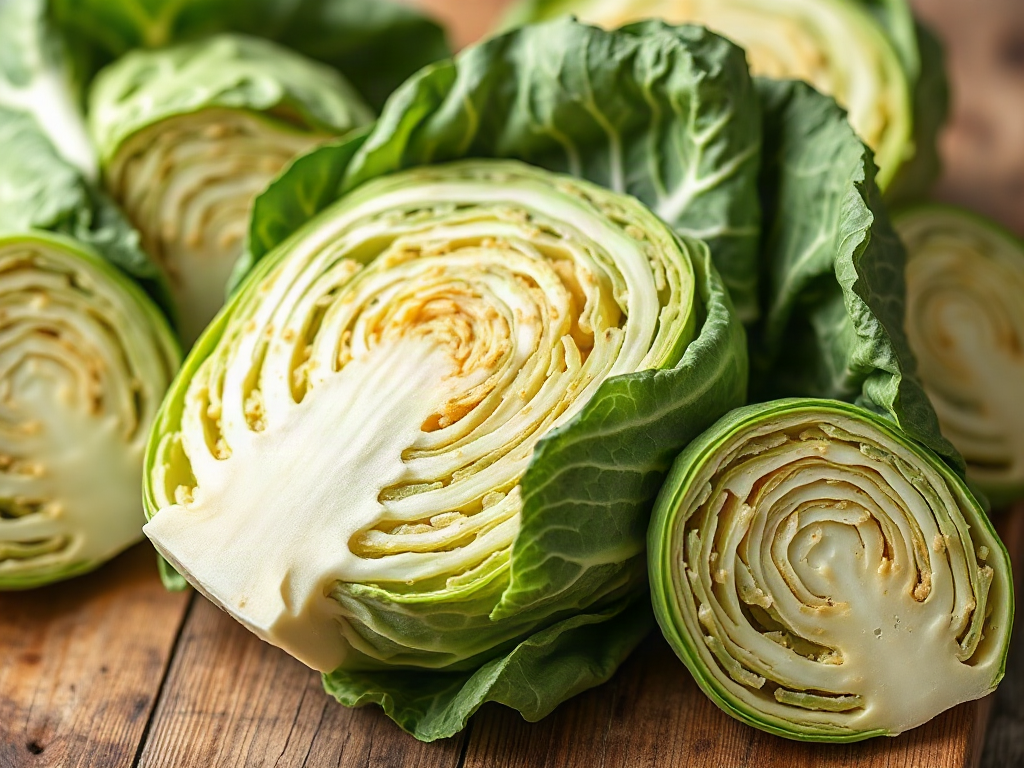
Cabbage nutrition and preparation differences mainly reflect how heat, water, acidity, and fermentation change vitamin retention, texture, digestibility, and sodium exposure. Raw cabbage preserves heat-sensitive vitamin C and offers a crisp source of fiber, while brief steaming softens leaves with less nutrient loss than prolonged boiling. Braising produces a tender, flavorful dish but may reduce some water-soluble vitamins, especially when cooking liquid is discarded. Fermented cabbage adds acidity and distinctive microbes, yet commercial versions can contain substantial sodium. Choose raw or lightly cooked cabbage for maximum freshness, braised cabbage for comfort and easier chewing, and fermented cabbage in modest portions when salt intake is not a concern.
What Cabbage Provides Before Cooking
Cabbage is a low-energy vegetable with meaningful amounts of fiber, vitamin C, vitamin K, folate, and plant compounds found in the Brassica family. Green, red, savoy, and napa cabbage share a broad nutritional profile, but their water content, firmness, color compounds, and typical uses differ. Red cabbage supplies anthocyanin pigments, while napa cabbage has a softer structure and milder flavor. Those differences affect the finished dish as much as the nutrient label does.
The outer leaves and dense inner core do not behave identically. Outer leaves can carry more exposure to light and handling, while the core is especially firm and may need finer slicing or longer cooking. Removing every dark outer leaf is unnecessary unless it is damaged; trimming only wilted or bruised portions reduces waste. Rinsing the whole head before cutting also limits the spread of surface debris across the cut interior.
Fiber remains present after ordinary cooking, although texture changes can make cabbage easier to eat in larger portions. Vitamin C is more vulnerable because it dissolves into water and degrades with prolonged heat. Vitamin K is less sensitive to routine cooking, but people using anticoagulant medication should keep intake patterns consistent and discuss major dietary changes with a clinician rather than treating cabbage as either forbidden or therapeutic.
Raw cabbage can be useful in a slaw, salad, or taco filling, especially when a meal needs crunch and acidity. A finely shredded portion may be easier to chew than large wedges. If raw brassica vegetables cause bloating, a smaller serving, thorough chewing, or brief cooking may be more practical than eliminating cabbage altogether. For related meal ideas, see Cabbage nutrition and preparation differences.
How Raw, Steamed, Boiled, and Braised Cabbage Differ
Preparation changes cabbage through three main forces: heat, water, and cooking time. Raw cabbage retains its original crunch and avoids heat-related vitamin loss, but its tough cell structure and sulfur-containing compounds may be harder for some people to tolerate. Steaming uses less water, so fewer soluble nutrients move away from the vegetable. Boiling can produce a tender result quickly, yet nutrients that leave the leaves remain only if the cooking liquid is used.
Brief steaming is often the most balanced everyday method. Cut cabbage into similarly sized strips or wedges, steam until the leaves are tender but not collapsing, and stop before a strong sulfur odor develops. The exact time depends on cut size and variety: thin napa strips cook quickly, while thick green-cabbage wedges need longer. A knife should meet modest resistance rather than pass through a watery, falling-apart mass.
Braising combines moderate heat with a small amount of liquid and usually adds onion, stock, vinegar, or spices. It develops sweetness as the cabbage softens and works well for firm green or red varieties. Because the liquid stays in the dish, some compounds that leave the leaves are consumed rather than poured down the drain. The tradeoff is that long braising still exposes vitamin C to heat, and salty stock, bacon, or cured meat can make the overall meal high in sodium.
Boiling is not automatically a poor choice. It can be sensible when cabbage is destined for soup, stuffed leaves, or a blended vegetable dish. Use enough water to cook evenly, avoid extended holding at a simmer, and keep the broth when possible. A common mistake is comparing a raw-cabbage nutrient entry with a cooked entry without considering water loss or gain; cooking changes weight and concentration, so portion comparisons need the same basis.
Microwaving with a covered dish and a small splash of water can also soften cabbage quickly while limiting contact with a large volume of water. That approach suits weeknight cooking, but uneven pieces may produce both crunchy and limp sections. Cutting consistently and resting the covered cabbage briefly after heating improves texture. A linked reference point is how cabbage nutrition and preparation differences affect everyday portions.
Fermented Cabbage, Acidity, and Sodium
Fermented cabbage, such as sauerkraut or kimchi-style preparations, differs from fresh cooked cabbage because microorganisms convert some sugars into acids during fermentation. The result is tangy, softer, and often more complex in flavor. Acidity changes the eating experience and can make a small amount useful as a condiment, but fermentation does not turn cabbage into a treatment or guarantee a particular digestive outcome.
The most practical distinction is between naturally fermented products and shelf-stable products that may have been heat-treated after fermentation. Labels can indicate whether live cultures remain, but wording varies by product and region. Refrigerated fermented cabbage may preserve live microorganisms more often than a product that has undergone later heating, though shoppers should follow the package instructions rather than assuming that every sour cabbage contains active cultures.
Sodium deserves equal attention. Salt is commonly used to control the fermentation environment and flavor, so a generous serving can contribute more sodium than an equivalent amount of fresh cabbage. Rinsing can reduce surface salt, but it may also remove some flavor and does not make a heavily salted product sodium-free. A better approach is to use fermented cabbage as a garnish with beans, potatoes, eggs, or whole grains instead of treating it as the main vegetable volume.
Fermented products can be useful when a meal needs acidity without a separate dressing. For example, a forkful of sauerkraut can brighten lentils and roasted potatoes, while kimchi-style cabbage can add heat to rice and tofu. People with salt-sensitive conditions, kidney disease, or a medically prescribed sodium limit should check the label and portion size. Anyone who experiences worsening digestive symptoms should reduce the serving or choose cooked fresh cabbage instead.
Home fermentation requires more care than simply leaving shredded cabbage on a counter. Clean equipment, correct salt proportions from a reliable tested recipe, vegetables kept below the brine, and appropriate temperature control all matter. Visible mold, foul odors, or uncertain storage are reasons to discard a batch rather than taste-test it. When food safety conditions cannot be controlled, commercially prepared products are the more predictable choice.
Choosing a Preparation for Your Meal
The best method depends on the role cabbage needs to play, not on a single ranking of raw versus cooked. Raw cabbage suits meals where crunch, freshness, and vitamin C retention are priorities. Steamed cabbage is a strong default for a simple side dish because it requires little added fat and preserves a firm texture when stopped early. Braised cabbage fits colder-weather meals and people who prefer soft foods, while fermented cabbage works best as a small, acidic accent.
Match the cut to the method. Thin shreds are appropriate for slaw, quick sautés, and short steaming. Thick wedges hold together during roasting or braising but need enough time for the center to soften. Napa cabbage can become watery if cooked aggressively, so high heat for a short period is often more suitable than a long simmer. Red cabbage benefits from an acidic ingredient such as vinegar or citrus, which helps maintain its color; alkaline conditions can shift the pigments toward duller tones.
A useful decision sequence is:
- Need maximum crunch? Shred raw cabbage and dress it shortly before serving.
- Need a tender side quickly? Steam or microwave evenly cut pieces.
- Need a one-pot meal? Braise and keep the cooking liquid in the dish.
- Need brightness from a condiment? Use fermented cabbage in a measured portion and check sodium.
Flavor additions can change the nutritional balance more than the cabbage method itself. A steamed bowl topped with butter, salty cheese, or processed meat may carry more saturated fat or sodium than a lightly dressed slaw. That does not make those foods unacceptable; it means the complete plate matters. Pair cabbage with beans, fish, eggs, tofu, or another protein, then add a source of unsaturated fat such as olive oil, seeds, or nuts when appropriate.
Digestive comfort is also a valid selection criterion. Large raw portions may cause gas for some people because cabbage contains fermentable carbohydrates and fiber. Cooking softens the plant structure, but it does not guarantee symptom relief. Start with a modest serving, observe your response, and vary the vegetable sources in the broader diet. Cabbage should complement a varied eating pattern rather than carry the entire burden of fiber or micronutrient intake.
Common Mistakes That Weaken Cabbage Dishes
Overcooking is the most recognizable preparation mistake. Long boiling can produce limp leaves, a strong sulfur aroma, and a less appealing texture while allowing water-soluble vitamin C to move into the cooking water. The solution is not to avoid heat; it is to use the shortest method that achieves the texture required and to consume retained liquid in soups or braises.
Cutting cabbage too far in advance can also reduce quality. Shredded leaves lose water, oxidize at the edges, and become less crisp when left exposed. Store cut cabbage cold in a covered container and add dressing near serving time. For a salad, salting the cabbage briefly can draw out water and improve texture, but excess salt should be balanced with a rinse or a lower-sodium dressing.
Another weak assumption is that raw always means more nutritious. Raw cabbage preserves some heat-sensitive compounds, but a cooked portion may be easier to chew and digest, and a dish that someone actually eats consistently has practical value. Conversely, fermented cabbage should not automatically be labeled healthier than fresh cabbage: it may offer a distinct food profile, but salt, processing, and portion size remain relevant.
Seasoning can hide signs of poor cooking. Strong sauces may cover bitterness caused by old leaves, excessive heat, or a waterlogged texture. Choose a firm head with crisp leaves, remove damaged sections, and taste before adding more salt. Acid, toasted spices, garlic, ginger, and herbs can build flavor without depending entirely on cured meat or a heavily salted sauce.
For a dependable basic method, shred or slice evenly, use a small amount of water or oil, cook until just tender, and finish with acid and herbs. If the cabbage is still harsh, extend cooking briefly; if it is already soft, stop immediately. That simple adjustment is more useful than following a rigid cooking time that ignores variety, cut size, and pan heat.
Frequently Asked Questions
Is raw cabbage more nutritious than cooked cabbage?
Raw cabbage retains heat-sensitive vitamin C, but lightly steamed or briefly cooked cabbage can still be nutrient-dense and may be easier to eat. The method and cooking time matter more than choosing a permanent winner.
Does boiling cabbage remove its nutrients?
Some water-soluble nutrients can move into boiling water, particularly during long cooking. Using the liquid in soup or choosing steaming helps retain more of what leaves the cabbage.
Is fermented cabbage healthier than fresh cabbage?
Fermented cabbage offers acidity and may contain live cultures when it has not been heat-treated, but it can also be high in sodium. Fresh cabbage is often the better choice for larger portions or sodium-restricted diets.
Which cabbage is best for steaming?
Green, savoy, and napa cabbage can all be steamed. Thin napa leaves cook fastest, while firm green cabbage benefits from evenly cut strips or smaller wedges to prevent a raw center and overcooked edges.
How can cabbage be made easier to digest?
Try a smaller portion, thorough chewing, and brief steaming or braising. Increase portions gradually and seek individualized medical advice if cabbage repeatedly causes significant pain or persistent digestive symptoms.
Conclusion
Cabbage preparation is a tradeoff between nutrient retention, texture, comfort, flavor, and the ingredients added during cooking. Raw cabbage keeps its crunch and heat-sensitive vitamin C, steaming offers a restrained softening method, and braising makes firm leaves tender while retaining flavor in the cooking liquid. Fermented cabbage brings acidity and possibly live cultures, but its salt content deserves attention. Choose the method that suits the meal and the eater: cut evenly, avoid unnecessary boiling, keep useful cooking liquid, and treat salty fermented cabbage as a condiment. A varied plate with a protein source and other vegetables will contribute more nutritional balance than trying to make one cabbage preparation do everything.
Related Content
- Reasons Whole Food Superfoods Might Not Meet Expectations: Common Misconceptions and Practical Insights
- What To Do If Superfoods Disrupt Your Daily Routine: A Practical Reset Plan
- Plant Forward Diet Principles For Balanced Eating Through Better Plate Design
- How to Choose Superfoods That Align With Personal Values: A Practical Framework
- How to Avoid Nutrient Gaps With Superfoods: Key Foods and Practical Strategies