
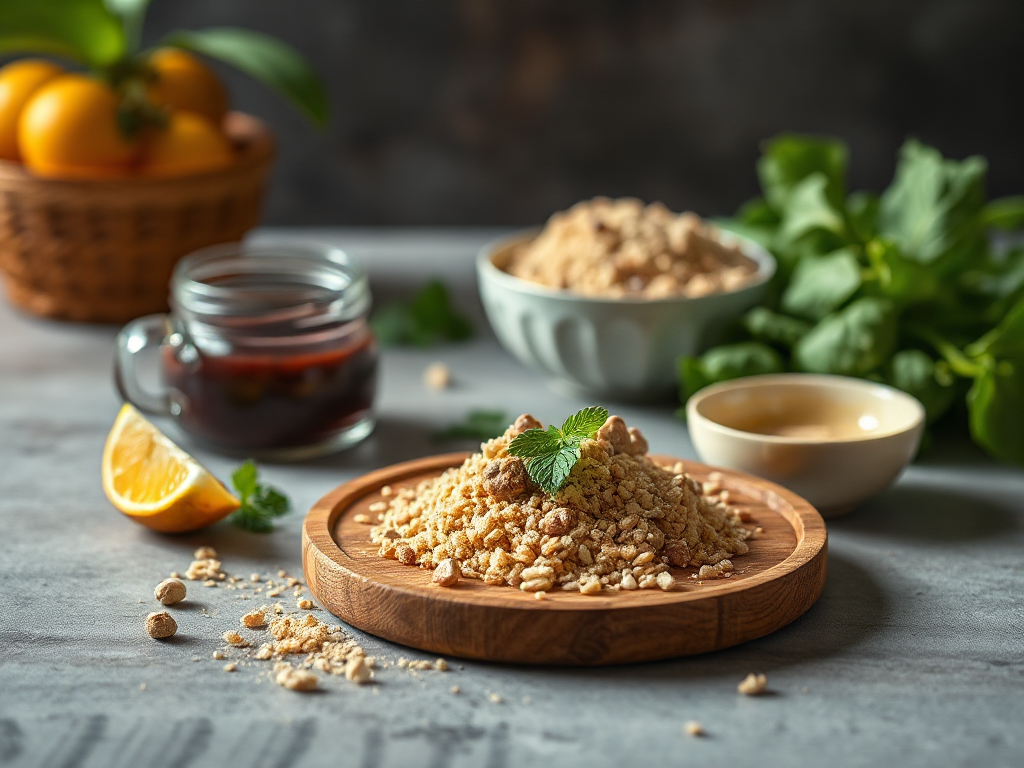
If a superfood doesn't taste good, reduce its portion, pair it with complementary flavors, change its texture or temperature, and replace it if the problem persists. Bitter powders often taste better in yogurt, oatmeal, smoothies, or citrus-based dressings, while earthy vegetables may suit roasting, herbs, garlic, or a creamy dip. Check whether stale packaging, excessive serving size, poor preparation, or an unusually strong variety is causing the unpleasant flavor. Do not force yourself to eat a product that causes nausea, itching, swelling, digestive symptoms, or a suspicious chemical taste; discard questionable items and seek medical advice for possible reactions. A different whole-food source can provide similar nutrients without the same taste barrier.
Find Out Why The Flavor Is Unpleasant
A disliked superfood is not automatically a bad food; the objection may come from bitterness, earthy aromas, sourness, texture, freshness, or the way it was prepared. Identifying the specific problem prevents you from adding random sweeteners or abandoning a nutritious ingredient unnecessarily. A powdered green product, for instance, may taste grassy because it contains concentrated leafy ingredients, while unsweetened cocoa is naturally bitter and chia seeds can feel gelatinous after soaking.
Begin with a small taste and describe the issue precisely. Is the flavor sharp, stale, metallic, muddy, sulfurous, or simply too intense? Compare the product with its label, storage instructions, and expected appearance. A rancid odor, visible moisture in a powder, damaged packaging, mold, unusual discoloration, or a chemical-like taste is a quality concern rather than a recipe challenge. Do not mask questionable food with banana, syrup, or spices.
Serving size also changes perceived flavor. Concentrated powders are often much more forceful than the whole ingredients they represent, and a full scoop may overwhelm a drink that would taste acceptable with a teaspoon. A strong raw kale flavor may soften after cooking, whereas roasting can intensify the sweetness of carrots, beets, or sweet potatoes. The better comparison is not “healthy versus unhealthy,” but suitable preparation versus unsuitable preparation.
Use this quick diagnosis before experimenting:
- Too bitter: try dairy or a fortified alternative, fruit, cinnamon, or a small amount of nut butter.
- Too earthy: use roasting, acid such as lemon, fresh herbs, garlic, or a savory sauce.
- Too gritty or slimy: blend thoroughly, soak for the intended time, or choose a different form.
- Stale or suspicious: stop tasting and inspect the package, date, storage, and smell.
One common mistake is assuming that a higher serving delivers proportionally greater value. It usually delivers a stronger sensory burden instead. If you are adding a powder to a smoothie, test the base mixture without it first, then add a measured amount so you can identify how much the ingredient changes the drink. Readers comparing options in what to do if a superfood doesn’t taste good should treat taste as useful information about dose, format, and preparation—not as a test of willpower.
Use Pairings That Balance The Taste
Flavor pairing works by balancing intensity rather than hiding an ingredient under a large amount of sugar. Bitter ingredients often become more acceptable beside sweetness, fat, salt, or acidity; earthy foods can benefit from brightness and aromatics. The goal is a combination in which the superfood remains part of the meal without dominating every bite.
For a bitter green powder, stir a small amount into plain or vanilla yogurt with berries, or blend it with milk, frozen mango, and nut butter. The yogurt supplies creaminess, berries provide acidity, and mango contributes sweetness. A cacao-based powder may work in overnight oats with pear and cinnamon, but it can taste harsh in water because there is no fat, sweetness, or texture to round it out. These pairings change the sensory balance; they do not make the ingredient nutritionally identical to a whole food.
Savory foods offer another route. Try roasted beets with goat cheese and citrus, cooked greens with garlic and lemon, or lentils with olive oil, cumin, and chopped herbs. A small amount of salt can reduce the impression of bitterness, but excessive salt is not a sensible flavor solution. Similarly, sweetened syrups may make a powder easier to consume while adding sugar that was not part of the original plan.
Choose the pairing according to the ingredient and the meal:
- Breakfast: mix powders into oats, yogurt, or a smoothie with fruit and a protein-rich base.
- Lunch or dinner: add vegetables to grain bowls, soups, bean dishes, sauces, or dressings.
- Snack: combine seeds with nut butter, unsweetened applesauce, or a textured food such as overnight oats.
A practical mistake is combining several intense ingredients at once. Spirulina, unsweetened cocoa, ginger, greens, and a tart fruit may create a confusing drink that tastes worse than any single ingredient. Test one adjustment at a time, use a modest amount, and record what improves the flavor. If sweetness is needed, fruit is often a more useful first experiment than repeatedly increasing added sugar. You can also explore what to do if a superfood doesn’t taste good through ordinary meals rather than forcing a supplement-style drink.
Change Preparation, Texture, Or Portion Size
Preparation can alter both flavor and mouthfeel, so a failed first attempt does not settle the question. Raw vegetables may taste sharper than steamed or roasted versions because heat changes their texture and develops sweeter, more rounded flavors. Conversely, overcooking can create sulfurous aromas in vegetables such as broccoli or cabbage. Use the shortest cooking method that produces a texture you enjoy.
Powders need enough liquid and adequate mixing. Dry clumps concentrate the taste in one mouthful, while a poorly blended seed mixture may feel gritty. A high-speed blender can improve a smoothie, but it cannot repair an ingredient that is stale or intrinsically unacceptable to you. For chia or flax, follow the product’s preparation directions and allow enough liquid; adding a dry spoonful to a drink may produce an unpleasant texture.
Portion control is often the simplest fix. Start with a fraction of the package’s suggested amount, especially when the ingredient is concentrated, then increase only if the flavor and digestion remain comfortable. A teaspoon of a strong green powder mixed into a full serving may be tolerable, while a large scoop in a small glass can overpower the entire beverage. More is not necessarily more useful, and a food that makes you avoid the rest of the meal has poor practical value.
Compare formats before giving up. Frozen berries may be preferable to a berry powder; cooked leafy greens may suit you better than raw leaves; canned beans can be more convenient than a dry preparation if rinsing reduces the flavor you dislike. Whole foods also provide water and physical volume that many powders lack, while powders may offer convenience when storage, cost, or schedule makes fresh produce difficult.
Use a short trial rather than endless experimentation:
- Test the product alone in a tiny portion to identify its dominant flavor.
- Try one preparation change, such as cooking, blending, chilling, or soaking.
- Add one balancing ingredient and taste before adding more.
- Evaluate the result in the meal you would realistically eat again.
A preparation that tastes acceptable only when buried under several sweet ingredients may not be a sustainable choice. The successful version should fit your normal breakfast, lunch, or snack without creating excessive cost, preparation time, or added sugar. That standard matters more than tolerating a single ambitious recipe.
Know When To Stop And Choose An Alternative
Some taste problems should end with replacement rather than further masking. If a product causes itching, hives, swelling, breathing difficulty, repeated vomiting, or other concerning symptoms, stop using it and seek appropriate medical care; taste preference is separate from a possible food reaction. Persistent digestive discomfort also deserves attention, particularly if it follows a supplement blend containing several unfamiliar ingredients.
Discard food with mold, a rancid smell, damaged packaging, unexpected moisture, or an unusual chemical flavor. Do not assume that blending, cooking, or adding a strong sauce makes questionable food safe. Check storage conditions and product directions, but do not taste repeatedly to investigate a suspicious item. A reputable package does not eliminate the need to use normal food-safety judgment.
When the ingredient is sound but you dislike it, select a nutrient-related alternative rather than chasing the label’s “superfood” status. If you wanted leafy greens, try spinach, bok choy, collards, or a cooked vegetable blend. If seeds were intended for fiber and texture, oats, beans, lentils, or other seeds may work in different meals. If berries are unavailable, other colorful fruits can contribute different combinations of vitamins and plant compounds. Nutrients are distributed across many foods, so one disliked product is rarely irreplaceable.
Cost and convenience belong in the decision. A premium powder that sits unused is less practical than affordable produce, frozen vegetables, beans, or whole grains that you regularly eat. On the other hand, a small powder serving may be reasonable when refrigeration is limited or a person cannot routinely prepare fresh ingredients. The right choice depends on consistent use, tolerable flavor, storage, and the rest of the diet—not on marketing language.
Before purchasing again, ask whether the ingredient has a clear role in your meals, whether you can tolerate its unsweetened form, and whether an alternative would provide the same practical benefit. What to do if a superfood doesn’t taste good ultimately comes down to a sensible hierarchy: rule out spoilage or a reaction, adjust portion and preparation, test a balanced pairing, then move on without guilt if it still does not work.
For nutrition comparisons, storage questions, and food-safety concerns, consult current guidance from the USDA, the National Institutes of Health, university extension programs, or the manufacturer’s official preparation and storage instructions. These sources are more useful than marketing claims when a product’s ingredients, serving size, or handling requirements are unclear.
Frequently Asked Questions
Should I force myself to eat a superfood I dislike?
No. Try a smaller portion, a different preparation, or a comparable food. A nutritious ingredient has little practical value if you will not use it consistently.
How can I make a bitter superfood powder taste better?
Blend a modest amount into yogurt, oats, or a smoothie containing fruit and a creamy base. Avoid using large amounts of syrup as the main solution.
Does cooking always improve an unpleasant superfood?
No. Heat may soften earthy or sharp flavors, but overcooking can intensify sulfurous aromas. Test steaming, roasting, or brief sautéing rather than assuming one method works for every vegetable.
When should I throw a superfood away?
Discard it if it has mold, a rancid or chemical smell, damaged packaging, unexpected moisture, or another clear quality problem. Do not rely on strong sauces or blending to fix questionable food.
Can another food replace a disliked superfood?
Usually, yes. Choose alternatives based on the role you want—such as leafy greens, fiber-rich beans, seeds, oats, or fruit—rather than assuming one branded ingredient is essential.
Conclusion
A superfood does not need to become a daily chore. First separate ordinary flavor preference from spoilage, an excessive serving, poor texture, or possible symptoms. Then test one measured change: cook it differently, blend it more thoroughly, chill it, or pair it with acidity, fruit, herbs, yogurt, or a savory sauce. Judge the result by whether it fits a meal you can repeat without excessive sugar, cost, or effort. If the flavor remains unpleasant, choose another whole food with a similar nutritional role. Stop using anything that seems spoiled or produces concerning symptoms, and seek professional advice when a reaction or persistent discomfort is involved. Consistent, varied eating is more useful than loyalty to a single fashionable ingredient.
Related Content
- Why Some Superfoods Don’t Enhance Athletic Performance: Key Nutrients, Misconceptions, and Practical Insights
- How to Choose Affordable Superfoods Without Sacrificing Quality: Practical Steps for Smart Shopping
- Why Some Superfoods May Not Suit Your Taste Preferences: Understanding Flavor Profiles and Personal Choices
- Heart-Healthy Foods for a Practical Daily Plan With Simple Breakfasts, Lunches, and Dinners
- How to Identify If a Superfood Is Sustainable: Key Criteria and Practical Assessment Methods