
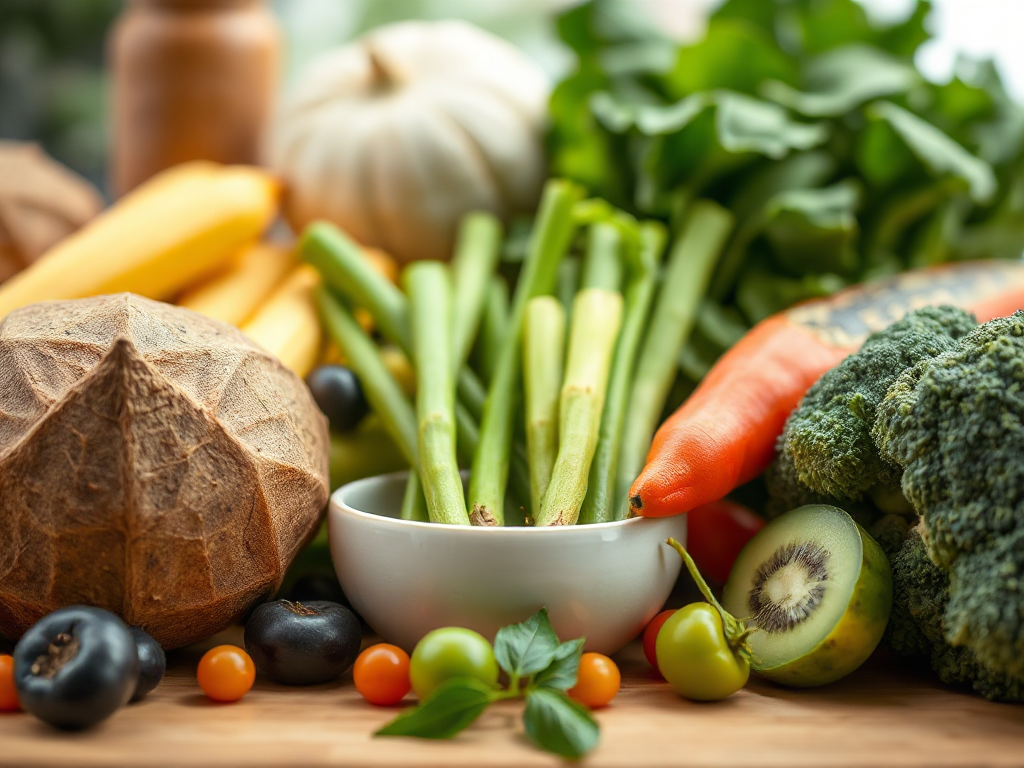
Some superfoods may not suit your taste preferences due to their unique flavor profiles, potential health conditions, and individual dietary habits. For example, foods like kale and spirulina have strong, earthy flavors that can be off-putting to some. Additionally, personal experiences and cultural backgrounds shape how we perceive tastes, leading to a preference for certain superfoods over others. Understanding these factors can help you select superfoods that align better with your palate.
Flavor Profiles of Superfoods
Superfoods are often lauded for their nutritional benefits, but their flavors can vary widely. Foods like chia seeds and acai berries are celebrated for their health benefits but may have subtle flavors that some find unappealing. Conversely, more pungent superfoods such as garlic or ginger can be polarizing due to their strong taste. Understanding these flavor profiles is crucial for incorporating superfoods into your diet in a way that is enjoyable.
For instance, if you are sensitive to bitter tastes, you might struggle with foods like kale or matcha. On the other hand, sweeter superfoods like blueberries or sweet potatoes may be more palatable and easier to integrate into meals. When selecting superfoods, consider trying them in various preparations to find a flavor combination that works for you.
Personal Dietary Preferences
Your personal dietary preferences play a significant role in whether you enjoy certain superfoods. Some individuals may prefer plant-based options, while others might lean towards animal-based superfoods, like fish rich in omega-3 fatty acids. Additionally, the method of preparation can greatly impact taste; for example, roasted Brussels sprouts are often sweeter and more appealing than boiled ones.
Moreover, if you have a preference for spicy or savory flavors, you may find certain superfoods more enjoyable when paired with complementary ingredients. Experimenting with different cooking methods and flavor pairings can help you discover how to make superfoods more appealing to your taste buds.
Health Considerations
Health conditions can also affect your taste preferences and how you perceive certain superfoods. For example, individuals with acid reflux may find acidic foods like citrus fruits or vinegars unpalatable. Similarly, those with sensitivity to strong flavors might avoid foods such as garlic or fermented items like kimchi.
It’s important to listen to your body and recognize which superfoods may cause discomfort or negative reactions. Consulting with a healthcare professional or nutritionist can provide personalized guidance on incorporating superfoods into your diet while considering your health needs.
Cultural Influences on Taste
Cultural background significantly influences taste preferences. Foods that are staples in one culture may be unfamiliar or unappealing in another. For instance, seaweed is a popular superfood in many Asian cuisines, but it may be less accepted in Western diets.
Understanding the cultural significance of certain superfoods can help you appreciate their flavors better. If you’re open to exploring new tastes, consider trying superfoods from various cuisines to expand your palate. You might find new favorites or discover ways to incorporate familiar flavors into your meals.
Frequently Asked Questions
Why do some superfoods taste bad to me?
Some superfoods may taste bad to you due to their inherent flavor profiles, which can be influenced by personal taste preferences, dietary habits, and even health conditions.
How can I make superfoods more palatable?
You can make superfoods more palatable by combining them with flavors you enjoy, using different cooking methods, or incorporating them into smoothies or dishes where their taste is masked.
Are there superfoods that are universally liked?
While taste is subjective, some superfoods like berries and bananas are generally well-received due to their sweet flavors and versatility in recipes.
Can health issues affect my taste preferences?
Yes, health issues such as allergies, acid reflux, or medication side effects can significantly alter your taste preferences and how you perceive certain foods.
How do cultural backgrounds influence superfood choices?
Cultural backgrounds influence superfood choices by shaping what is considered familiar or acceptable, which can lead to preferences for certain superfoods based on cultural cuisine.
Conclusion
Understanding why some superfoods may not suit your taste preferences involves recognizing the impact of flavor profiles, personal dietary choices, health considerations, and cultural influences. By exploring different preparations and combinations, you can discover superfoods that align with your palate. Don’t hesitate to experiment with new flavors and learn about the health benefits associated with different superfoods to enhance your diet while enjoying the process.
Related Content
- What Is Superfood Nutrition?
- Ivy Carver
- What To Do If You Experience Cravings After Eating Whole Foods: Causes, Timing, And Satisfying Meal Adjustments
- Why Some Superfoods Fail to Deliver Expected Results: Common Misconceptions and Real-World Constraints
- What to Do If a Superfood Causes Mood Swings: Understanding Symptoms and Practical Solutions