
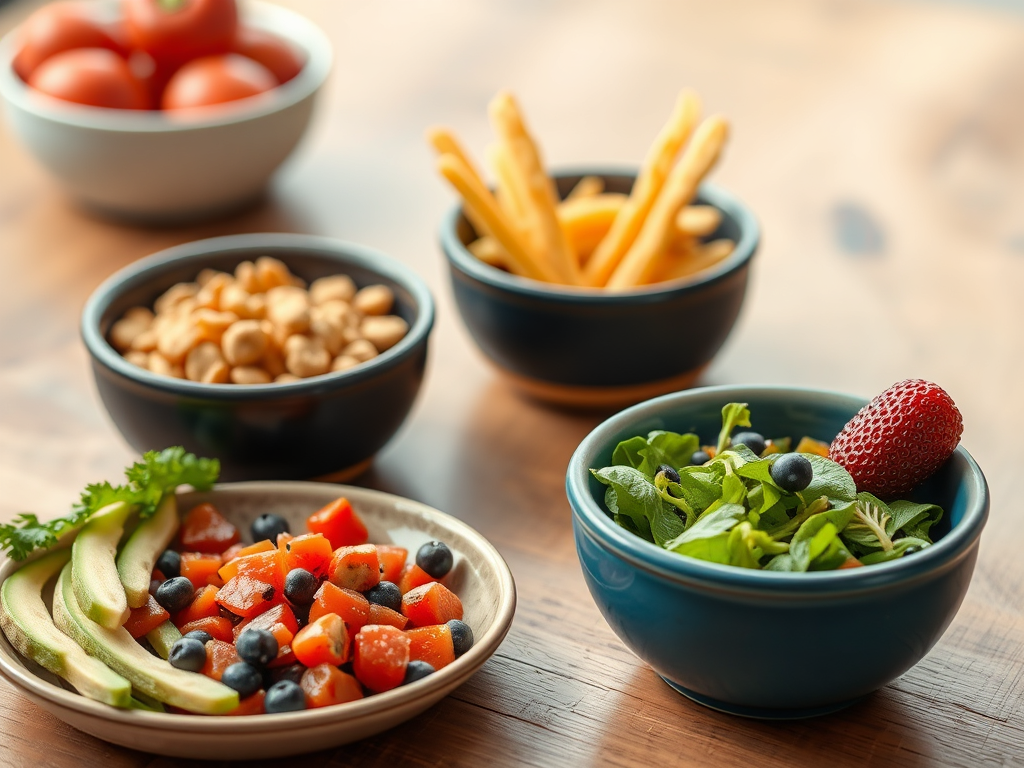
Incorporating superfoods into gluten-free meals involves selecting nutrient-dense ingredients such as quinoa, chia seeds, and leafy greens, which can enhance both flavor and health benefits. Start by replacing traditional grains with quinoa or buckwheat, and add superfoods like kale, spinach, and berries for added vitamins and minerals. Be mindful of cross-contamination with gluten-containing foods to ensure your meals remain truly gluten-free.
Understanding Superfoods
Superfoods are nutrient-rich foods that offer health benefits beyond basic nutrition. They often contain high levels of antioxidants, vitamins, and minerals, making them valuable for maintaining overall health. When following a gluten-free diet, incorporating these foods can enhance nutritional intake, which is essential for those avoiding gluten-containing grains. Common superfoods include quinoa, chia seeds, kale, and berries, each bringing unique health benefits to your meals.
Quinoa, for instance, is a complete protein, containing all nine essential amino acids, which is particularly beneficial for those on gluten-free diets that may lack certain proteins. Chia seeds are rich in omega-3 fatty acids and fiber, contributing to heart health and digestive wellness. Incorporating these superfoods into gluten-free meals not only boosts nutrient density but also adds exciting flavors and textures.
Gluten-Free Grains to Consider
When creating gluten-free meals, it’s crucial to choose alternative grains that can serve as a base for your dishes. Quinoa is an excellent choice due to its protein content and versatility. Other gluten-free grains include brown rice, millet, and buckwheat, each offering different textures and flavors that can complement various dishes.
For example, brown rice can be used in stir-fries or as a side dish, while millet can be cooked into porridge or pilafs. Buckwheat, despite its name, is gluten-free and can be used in pancakes or as a grain salad base. These grains can act as carriers for superfoods, allowing you to create balanced meals rich in nutrients.
Incorporating Superfoods into Daily Meals
To effectively incorporate superfoods into your gluten-free meals, consider adding them to breakfast, lunch, and dinner. Start your day with a smoothie packed with spinach, chia seeds, and a banana; this combination provides a nutrient boost while keeping you full. For lunch, try a quinoa salad with mixed vegetables and a dressing made from olive oil and lemon juice, adding nuts or seeds for crunch and extra nutrients.
At dinner, create a stir-fry using gluten-free tamari sauce, incorporating broccoli, kale, and your choice of protein like chicken or tofu. This not only ensures you’re getting a variety of superfoods but also keeps your meals interesting and flavorful. Additionally, snacks can include superfood energy balls made from oats, nut butter, and superfoods like cacao nibs or goji berries.
Common Mistakes to Avoid
One common mistake when incorporating superfoods into gluten-free meals is assuming that all gluten-free products are healthy. Many processed gluten-free foods can be high in sugars and unhealthy fats, so always check labels for nutritional content. Another pitfall is neglecting to balance meals; ensure that each meal includes a source of protein, healthy fats, and carbohydrates to maintain energy levels and satiety.
Additionally, be mindful of cross-contamination with gluten-containing foods, especially when preparing meals at home. Use separate utensils and cookware to avoid any trace of gluten in your meals. Lastly, overloading on superfoods without considering overall dietary balance can lead to digestive issues, so incorporate them mindfully and in moderation.
Related Content
- Why Some Superfoods May Not Complement Your Diet: Understanding Nutritional Conflicts and Dietary Balance
- Why Some Organic Whole Foods Are Overpriced: Understanding Market Dynamics and Consumer Choices
- How to Recognize Signs of Food Intolerances with Superfoods: Symptoms, Testing, and Dietary Adjustments
- Why Some Superfoods May Not Fit Dietary Restrictions: Common Issues and Practical Solutions
- Issues With Popular Superfood Trends and Their Impacts: Misconceptions, Health Risks, and Nutritional Trade-offs