
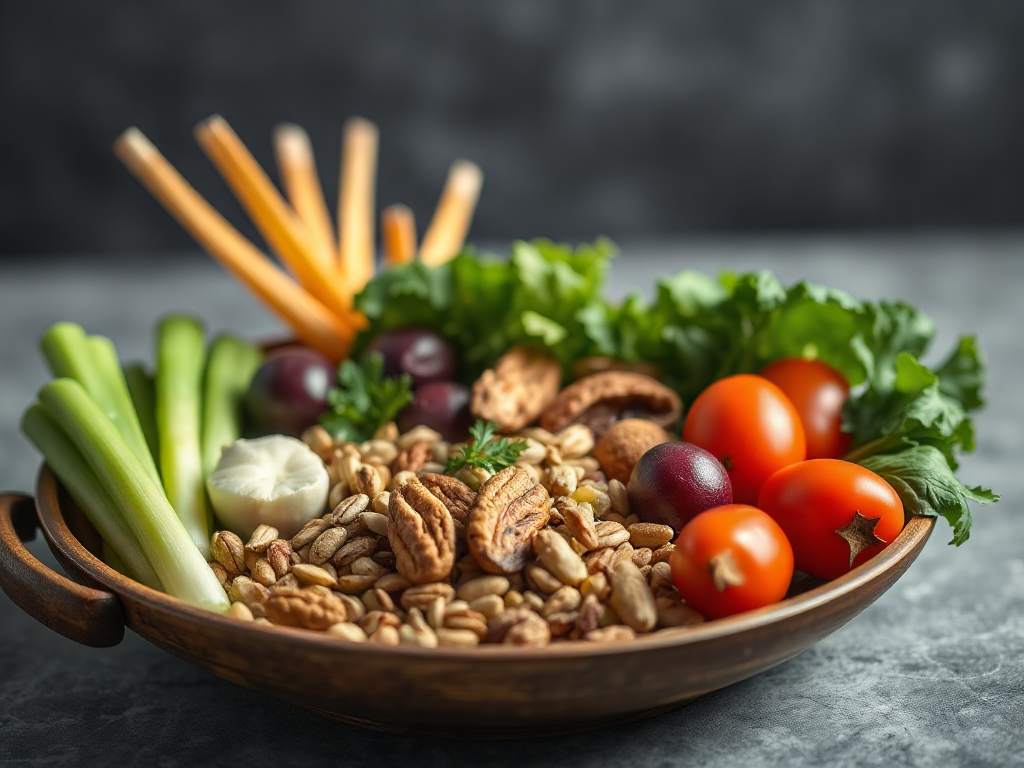
To ensure superfoods fit into a low-carb diet, prioritize low-carb options like leafy greens, avocados, and berries while avoiding high-carb foods such as grains and starchy vegetables. Incorporate nutrient-dense superfoods that provide essential vitamins without excess carbohydrates. Focus on portion control and meal planning to maintain your carb limits while enjoying a diverse range of superfoods. This approach enables you to reap the health benefits of superfoods without compromising your dietary goals.
Understanding Low-Carb Diets
A low-carb diet primarily focuses on reducing carbohydrate intake in favor of proteins and fats. This dietary approach can help with weight loss and improve metabolic health. Understanding the carbohydrate limits is crucial, as it varies by individual goals—typically ranging from 20 to 100 grams of carbs per day. This framework sets the stage for effectively incorporating superfoods, which are nutrient-rich foods that provide health benefits beyond basic nutrition.
Low-carb diets often emphasize the importance of whole foods. Processed foods and sugars should be minimized, as they tend to be high in carbohydrates and low in essential nutrients. By focusing on whole foods, individuals can better manage their carbohydrate intake while enjoying a variety of flavors and textures.
Identifying Low-Carb Superfoods
Not all superfoods are created equal a low-carb diet. It is essential to identify which superfoods are low in carbohydrates while still offering health benefits. Some of the best options include:
- Leafy Greens: Spinach, kale, and Swiss chard are low in carbs and high in vitamins A, C, and K.
- Avocados: A great source of healthy fats and fiber, avocados are low in carbohydrates and can help keep you satiated.
- Berries: Strawberries, blueberries, and raspberries are lower in sugar than other fruits and provide antioxidants without exceeding carb limits.
- Nuts and Seeds: Almonds, chia seeds, and flaxseeds are nutrient-dense, low-carb options that can be added to meals or snacks.
- Cruciferous Vegetables: Broccoli, cauliflower, and Brussels sprouts are low in carbs and high in fiber and vitamins.
When selecting superfoods, always check the carbohydrate content. Some foods marketed as superfoods, like certain fruits or granola, can be surprisingly high in sugars and carbs. Familiarize yourself with the nutritional profiles of your favorite superfoods to make informed choices.
Incorporating Superfoods into Your Meal Plan
Incorporating low-carb superfoods into your meal plan requires strategic thinking and creativity. Here are some practical strategies:
- Meal Prepping: Prepare meals in advance to ensure you have low-carb superfoods readily available. This can help you resist high-carb temptations.
- Substitutions: Use cauliflower rice or zucchini noodles in place of traditional grains or pasta to lower carb intake while still enjoying your favorite dishes.
- Balanced Snacks: Create snack packs with nuts, seeds, and berries to maintain energy levels without consuming excess carbs.
- Experiment with Smoothies: Blend leafy greens with low-carb fruits and healthy fats like avocado or nut butter for a nutrient-packed drink.
- Salad Base: Use a variety of leafy greens as the base for salads, adding superfoods like seeds, nuts, and low-carb fruits for added texture and flavor.
By planning and preparing meals around these superfoods, you can enjoy a diverse and satisfying diet while adhering to low-carb principles.
Common Mistakes When Combining Superfoods and Low-Carb Diets
Even with the best intentions, individuals may encounter challenges when combining superfoods with a low-carb diet. Some common mistakes include:
- Overlooking Portion Sizes: Even low-carb superfoods can contribute to excessive carb intake if consumed in large quantities. Always be mindful of serving sizes.
- Assuming All Superfoods Are Low-Carb: Not all superfoods are suitable for low-carb diets. Be cautious with options like sweet potatoes or certain dried fruits.
- Neglecting Macronutrient Balance: While focusing on superfoods, ensure you maintain a balance of protein and healthy fats to support overall health and satiety.
- Ignoring Food Labels: Always check nutritional information, as some products may contain hidden sugars or carbohydrates that can derail your diet.
Avoiding these pitfalls will help you successfully integrate superfoods into your low-carb lifestyle, maximizing their health benefits while maintaining your dietary goals.
Frequently Asked Questions
What are superfoods?
Superfoods are nutrient-dense foods that offer health benefits beyond basic nutrition, often rich in vitamins, minerals, and antioxidants.
Can I eat fruits on a low-carb diet?
Yes, but focus on low-sugar fruits like berries, which are lower in carbs compared to other fruits.
How can I ensure I’m getting enough nutrients on a low-carb diet?
Incorporate a variety of low-carb superfoods, including vegetables, nuts, seeds, and healthy fats to meet your nutritional needs.
Are there any high-carb superfoods I should avoid?
Avoid high-carb superfoods like sweet potatoes, certain legumes, and high-sugar fruits that can increase your carb intake.
How can I incorporate superfoods into my meals?
Add superfoods to salads, smoothies, or as snacks, and replace high-carb ingredients with low-carb options in your favorite recipes.
Conclusion
Successfully integrating superfoods into a low-carb diet requires careful selection and mindful planning. By focusing on low-carb options like leafy greens, avocados, and berries, you can enjoy the health benefits of superfoods without exceeding your carbohydrate limits. Avoid common mistakes such as overlooking portion sizes and assuming all superfoods are low-carb. With the right approach, you can create a satisfying meal plan that supports your dietary goals while maximizing nutritional value.
Related Content
- How to Assess the Nutritional Content of Superfood Powders: Key Metrics and Evaluation Methods
- What to Do If Superfoods Lead to Unexpected Cravings: Understanding Triggers and Managing Intake
- When Is The Best Time To Consume Superfoods For Maximum Benefits?
- What To Do If Superfoods Cause Lethargy After Eating: Causes, Checks, And Next Steps
- How Long Does Superfood, Nutrition Usually Take To See Results?