
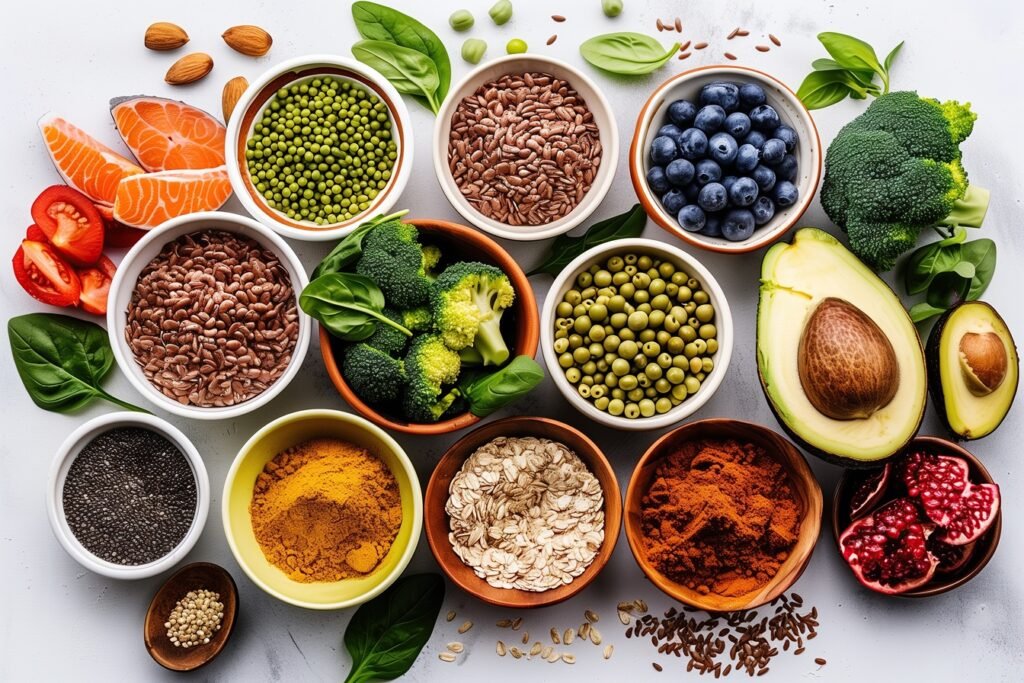
When mixing different superfoods, it's essential to consider their nutritional profiles and how they interact with each other. For example, pairing vitamin C-rich foods like kale with iron-rich sources such as lentils can enhance nutrient absorption. Additionally, pay attention to the flavors and textures of the superfoods to create enjoyable meals; the sweetness of fruits can balance the earthiness of greens. Be cautious of potential digestive issues that may arise from certain combinations, and always monitor your body's reactions to ensure optimal health benefits.
Understanding Nutritional Profiles
When mixing different superfoods, understanding their nutritional profiles is crucial. Superfoods are often praised for their high concentrations of vitamins, minerals, antioxidants, and other beneficial compounds. For instance, kale is packed with vitamins K and C, while chia seeds are rich in omega-3 fatty acids and fiber. Combining these foods can enhance your overall nutrient intake. However, it is essential to recognize how these nutrients interact with one another. For example, vitamin C can enhance the absorption of iron from plant sources, making a combination of kale and lentils particularly beneficial.
Another important aspect is to note that some superfoods can provide similar nutrients, which might lead to an imbalance if consumed in excess. For instance, both spinach and kale are high in oxalates, which can inhibit calcium absorption. Therefore, diversifying your superfood choices can help ensure a broader range of nutrients while minimizing potential negative interactions.
Complementary Flavors and Textures
Combining superfoods is not just about nutrition; the flavors and textures also play a significant role in creating enjoyable dishes. For example, the earthy flavor of spirulina can be balanced with the sweetness of bananas in a smoothie. Similarly, the crunchy texture of nuts can complement the creaminess of avocado. By considering how different superfoods pair together, you can create meals that are not only healthy but also delicious.
Moreover, the visual appeal of a well-combined dish can enhance the eating experience. Using a variety of colors, such as vibrant berries alongside dark leafy greens, can make your meals more enticing. This approach not only promotes a balanced diet but also encourages consistent consumption of superfoods, which is vital for reaping their health benefits.
Potential Interactions and Side Effects
While many superfoods offer health benefits, combining them can sometimes lead to unwanted side effects. Some individuals may experience digestive issues when mixing high-fiber foods, such as beans and certain grains. This can result in bloating or discomfort, especially for those who are not accustomed to a high-fiber diet. It is essential to introduce new superfoods gradually and monitor how your body reacts to different combinations.
Additionally, certain superfoods can interact with medications. For example, high amounts of vitamin K found in kale can interfere with blood thinners. Thus, it is advisable for individuals on medication to consult with a healthcare provider before making significant dietary changes involving superfoods. Always be mindful of personal health conditions and dietary restrictions when mixing superfoods.
Practical Tips for Mixing Superfoods
To maximize the benefits of mixing superfoods, start with small amounts and gradually increase as you become accustomed to new combinations. Here are a few practical tips:
- Start Simple: Begin with two or three superfoods that complement each other in flavor and nutrition.
- Experiment with Smoothies: Smoothies are a great way to combine superfoods like spinach, bananas, and almond butter for a nutrient-packed drink.
- Use Dressings and Sauces: Incorporate superfoods like turmeric or ginger into dressings to enhance flavor while boosting health benefits.
- Listen to Your Body: Pay attention to how your body responds to different combinations and adjust accordingly.
By applying these tips, you can create a varied and enjoyable superfood diet that supports your health goals.
Frequently Asked Questions
What are superfoods?
Superfoods are nutrient-rich foods considered to be especially beneficial for health and well-being, often high in vitamins, minerals, and antioxidants.
Can mixing superfoods enhance their benefits?
Yes, mixing superfoods can enhance their benefits by providing a broader range of nutrients and improving nutrient absorption through complementary combinations.
Are there any risks to mixing superfoods?
Potential risks include digestive discomfort from high-fiber combinations and interactions with medications, particularly for those on blood thinners.
How can I start mixing superfoods in my diet?
Start by incorporating a few superfoods into smoothies or salads, gradually increasing the variety as you become more accustomed to their flavors.
What are some popular superfood combinations?
Popular combinations include kale and avocado in salads, chia seeds and almond milk in puddings, or berries and yogurt in smoothies.
Further Reading
Authoritative Sources
- Library of Congress Research Guides
guides.loc.govResearch guides that help readers locate reliable background sources on a wide range of subjects
- USA.gov Official Information and Services
usa.govOfficial U.S. government information and public resources for practical reference
- Google Scholar
scholar.google.comAcademic search resource for finding research literature and source material
Conclusion
Mixing different superfoods can be a rewarding way to enhance your diet, provided you consider their nutritional profiles, flavor compatibility, and potential interactions. By starting with simple combinations and being mindful of how your body reacts, you can create delicious meals that support your health goals. Prioritize variety and balance to maximize the benefits of these nutrient-dense foods.
Related Content
- Editorial Standards & Corrections
- Jasper Sinclair
- Why Some Superfoods May Not Fit Your Health Goals: Identifying Misalignments and Nutritional Pitfalls
- Practical Adjustments If Superfoods Lead to Digestive Issues: Foods and Steps to Alleviate Symptoms
- Plant Food Protein Sources for Complete Meals—Pairings, Portions, and Practical Examples