
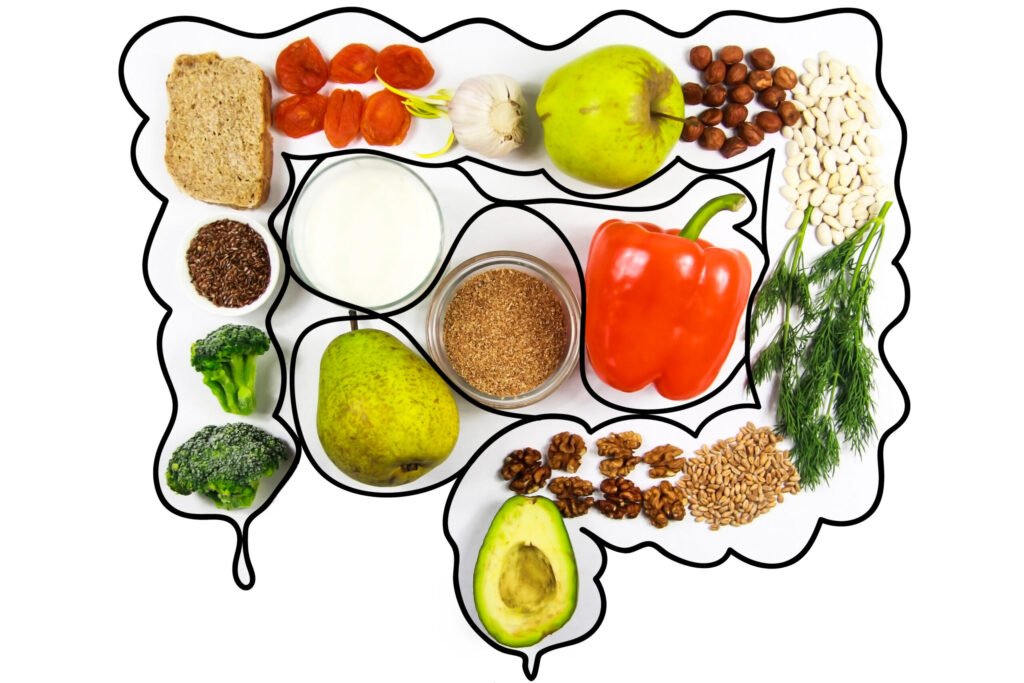
If superfoods are causing digestive issues, start by identifying specific symptoms such as bloating or gas. Eliminate the suspected superfoods from your diet for a couple of weeks to allow your digestive system to reset. Once your symptoms improve, gradually reintroduce these foods one at a time while monitoring your body's reactions. This method helps pinpoint which superfoods may be problematic. Additionally, staying hydrated and considering digestive aids like probiotics can enhance your digestive comfort and support a balanced diet.
Identifying Digestive Issues from Superfoods
Recognizing digestive issues from superfoods is crucial for maintaining overall health. Symptoms may include bloating, gas, diarrhea, or constipation, often triggered by high fiber content or specific compounds in these foods. For instance, some individuals may react poorly to ingredients like chia seeds or spirulina due to their concentrated nutrient profiles.
It’s essential to pay attention to how your body responds after consuming superfoods. Keeping a food diary can help track symptoms and identify patterns, making it easier to pinpoint which superfoods may be problematic. This proactive approach allows individuals to make informed dietary choices and ensure that their nutritional intake supports their health goals without causing discomfort.
Adjusting Your Superfood Intake
When you suspect that superfoods are causing digestive issues, the first step is to adjust your intake. Start by eliminating the suspected food items from your diet for a couple of weeks. This elimination phase allows your digestive system to reset and can help confirm whether the superfoods were the cause of your discomfort.
Once symptoms improve, you can slowly reintroduce superfoods one at a time while monitoring your body’s response. This method helps identify which specific foods may be causing issues. For example, if you reintroduce kale and experience bloating, it may indicate a sensitivity to that particular superfood, allowing you to make more targeted dietary decisions moving forward.
Using Digestive Aids
Incorporating digestive aids can significantly improve your experience with superfoods. Probiotics, for instance, can enhance gut health and aid digestion, making it easier for your body to process nutrient-dense foods. Foods rich in probiotics, such as yogurt, kefir, or fermented vegetables, can help restore balance to your gut flora.
Additionally, consider digestive enzymes, which can assist in breaking down complex nutrients found in many superfoods. For example, if you struggle with digesting beans or lentils, a digestive enzyme supplement may alleviate discomfort. Staying hydrated is also vital, as water aids in digestion and nutrient absorption, further supporting your body’s ability to handle superfoods effectively.
Monitoring Your Progress
Regularly monitoring your digestive health after making adjustments to your superfood intake is essential. Keep track of any changes in symptoms and overall wellbeing. If you find certain superfoods consistently cause issues, it may be wise to limit or avoid them altogether.
Assessing your progress can also involve speaking with a healthcare professional or a nutritionist, who can provide personalized guidance based on your dietary needs and health goals. They can help you create a balanced diet plan that incorporates superfoods while minimizing digestive discomfort, ensuring you receive the maximum benefits from your food choices.
Frequently Asked Questions
What are common digestive issues caused by superfoods?
Common issues include bloating, gas, diarrhea, and constipation, often due to high fiber content or specific ingredients.
How can I identify which superfood is causing problems?
Keep a food diary to track symptoms and eliminate suspected foods one at a time to identify triggers.
Should I stop eating superfoods entirely if they cause issues?
Not necessarily; consider adjusting your intake or finding alternatives that provide similar benefits without discomfort.
What role do probiotics play in digestive health?
Probiotics can help balance gut flora, improving digestion and potentially alleviating discomfort from superfoods.
How long should I eliminate a superfood to see if it’s the cause of my digestive issues?
Typically, a two-week elimination period is recommended to assess any changes in symptoms effectively.
Conclusion
Addressing digestive issues caused by superfoods involves careful observation and adjustment of your diet. By identifying symptoms, modifying your intake, utilizing digestive aids, and monitoring your progress, you can create a balanced approach that maximizes the benefits of superfoods while minimizing discomfort. Consulting with a healthcare professional can further enhance your strategies, ensuring a healthy relationship with your diet.
Related Content
- What tools do i need for whole food meal prep?
- How to Choose Superfoods for Immune Boost: Essential Foods for Optimal Health
- How to Identify If a Superfood Is Sustainable: Key Criteria and Practical Assessment Methods
- How long does it take to see results from whole food nutrition?
- How to Choose Superfoods That Complement Your Diet: Essential Foods and Practical Steps