
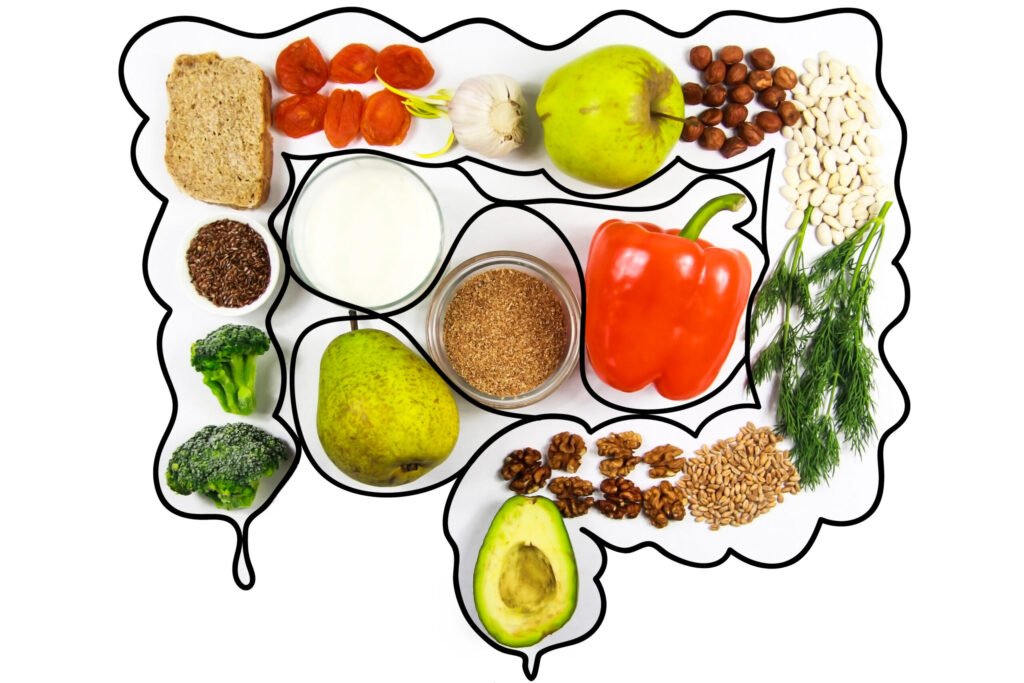
Superfoods can trigger food sensitivities due to their unique compounds and potential allergens. For instance, quinoa contains saponins that may irritate some digestive systems, while legumes like chickpeas and lentils can cause gas and bloating due to their oligosaccharide content. Additionally, fermented foods are high in histamines, which can provoke reactions in individuals with histamine intolerance. To manage these sensitivities effectively, it's essential to identify and avoid specific superfoods that may cause adverse reactions, allowing for a balanced diet that still includes nutrient-rich options.
Understanding Food Sensitivities
Food sensitivities occur when the body has an adverse reaction to certain foods, often leading to symptoms such as bloating, digestive issues, and skin irritations. Unlike food allergies, which involve the immune system, sensitivities typically involve the digestive system’s inability to properly process specific compounds. This can be particularly relevant when consuming superfoods, which are often dense in nutrients and bioactive compounds.
Factors such as genetics, gut health, and the presence of underlying conditions can influence an individual’s susceptibility to food sensitivities. Understanding the nature of these sensitivities is crucial for anyone looking to incorporate superfoods into their diet without adverse effects.
Common Superfoods and Their Triggers
Certain superfoods are known to cause sensitivities in some individuals. For example, quinoa, while a popular gluten-free grain, contains saponins that may irritate the digestive system. Similarly, legumes like chickpeas and lentils are high in oligosaccharides, which can lead to gas and bloating in sensitive individuals.
Fermented foods, such as kimchi and sauerkraut, are rich in histamines, which can provoke reactions in those with histamine intolerance. Leafy greens like spinach and kale contain oxalates, which can contribute to kidney stone formation in susceptible individuals. Recognizing these specific triggers is essential for anyone looking to enjoy the benefits of superfoods while managing their sensitivities.
Mechanisms Behind Reactions
The mechanisms behind food sensitivities can involve several factors, including the body’s enzymatic capacity to break down food compounds and the presence of gut microbiota. For instance, a lack of certain enzymes can lead to incomplete digestion of complex carbohydrates, resulting in fermentation and gas production in the gut.
Additionally, the gut microbiome plays a significant role in food sensitivities. An imbalance in gut bacteria may lead to increased intestinal permeability, allowing larger food particles to enter the bloodstream and trigger immune responses. This underscores the importance of maintaining gut health through a balanced diet and possibly probiotics, especially when consuming superfoods.
Managing Superfood Sensitivities
To manage sensitivities effectively, individuals should start by identifying specific superfoods that trigger adverse reactions. Keeping a food diary can help track symptoms and pinpoint problematic foods. Gradual reintroduction of suspected superfoods, one at a time, can also assist in determining tolerance levels.
Additionally, cooking methods can influence the digestibility of superfoods. For example, soaking and cooking legumes can reduce their oligosaccharide content, making them easier to digest. Consulting with a healthcare professional or nutritionist can provide personalized guidance on incorporating superfoods into the diet while minimizing sensitivity reactions.
Frequently Asked Questions
What are the symptoms of food sensitivities?
Symptoms can include bloating, gas, digestive discomfort, fatigue, and skin issues, which vary based on the individual and the specific food.
How can I identify superfoods that trigger my sensitivities?
Keeping a food diary and noting any symptoms after consuming specific superfoods can help identify triggers. Gradual reintroduction of foods can also assist in pinpointing sensitivities.
Are all superfoods safe for everyone?
No, not all superfoods are safe for everyone. Individual tolerances vary, and some superfoods may trigger sensitivities or allergic reactions in certain individuals.
What should I do if I have a sensitivity?
Avoid consuming the specific superfood that triggers your sensitivity and consult with a healthcare professional for personalized advice and management strategies.
Can cooking methods affect superfood sensitivities?
Yes, cooking methods can change the digestibility of superfoods. For example, soaking legumes can help reduce their oligosaccharide content, making them easier to digest for sensitive individuals.
Conclusion
Understanding the reasons superfoods might trigger food sensitivities is crucial for achieving a balanced diet that supports overall health. By recognizing individual triggers, adjusting preparation methods, and seeking professional guidance, individuals can enjoy the benefits of superfoods without adverse reactions. Prioritizing gut health and being mindful of food choices can lead to a more enjoyable and nutritious eating experience.
Related Content
- What Advanced Recipes Can I Try With Superfoods?
- What to Do If a Superfood Causes Mood Swings: Understanding Symptoms and Practical Solutions
- Are Superfood Powders Worth It? Pros and Cons
- How to Determine if a Superfood is Genuine: Key Characteristics and Evaluation Methods
- Nutrient Dense Foods That Don’t Work for Weight Loss: Common Misconceptions and Real Impacts