
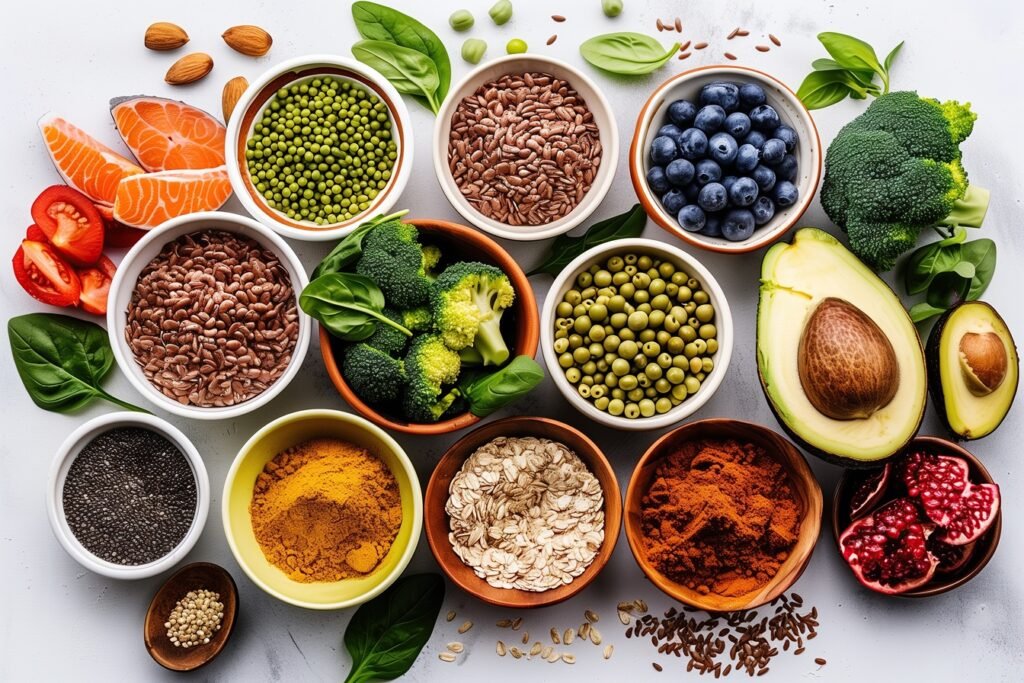
Superfoods may not boost energy as expected due to misconceptions about their role in a balanced diet and individual nutritional needs. Many people mistakenly believe that simply adding superfoods will enhance energy levels without considering the importance of a varied diet that includes carbohydrates and healthy fats. Additionally, individual factors such as age, activity level, and overall health significantly influence nutritional requirements. To effectively increase energy, it's essential to integrate superfoods into a comprehensive eating plan that addresses personal dietary needs rather than relying solely on these foods for energy enhancement.
Misunderstanding Nutritional Density
One of the primary reasons superfoods may not boost energy as expected is a misunderstanding of their nutritional density. Many people believe that simply adding superfoods to their diet will automatically enhance their energy levels. However, the effectiveness of these foods largely depends on their integration into an overall balanced diet. Nutritional density refers to the amount of essential nutrients a food contains relative to its calorie content. Foods deemed superfoods, like quinoa or kale, are indeed rich in vitamins and minerals, but they still need to be consumed in conjunction with other food groups for optimal energy production.
For instance, while kale is high in iron, it may not provide energy alone if the rest of the diet lacks carbohydrates and healthy fats. Carbohydrates are the body’s primary energy source, and without them, even nutrient-rich foods may fail to provide the desired energy boost. Therefore, it is essential to recognize that superfoods should complement a well-rounded diet instead of serving as standalone solutions.
Individual Nutritional Needs
Another critical factor in why superfoods may not boost energy as expected is the variability of individual nutritional needs. Each person’s body has unique requirements based on various factors, including age, sex, activity level, and overall health. For example, an athlete may require higher carbohydrate intake for energy compared to someone with a sedentary lifestyle. If superfoods do not align with an individual’s specific dietary needs, they may not yield the expected energy benefits.
Moreover, some individuals may have specific dietary restrictions or intolerances that can affect how they respond to certain superfoods. For instance, someone with a sensitivity to certain fibers found in superfoods like chia seeds may experience digestive discomfort, which can detract from energy levels. Understanding personal nutritional needs and how they interact with superfoods is essential for maximizing their potential benefits.
The Role of Lifestyle and Habits
Lifestyle factors play a significant role in energy levels, and relying solely on superfoods can lead to disappointment. Factors such as sleep quality, stress levels, and physical activity significantly influence how energized one feels throughout the day. For instance, inadequate sleep can lead to fatigue, regardless of dietary choices. If someone consumes superfoods but neglects other aspects of a healthy lifestyle, they may not see the energy boost they anticipate.
Moreover, habits such as meal timing and portion sizes can also impact energy levels. Eating a large meal rich in superfoods at the wrong time can lead to sluggishness rather than an energy boost. It’s important to integrate superfoods into a consistent eating pattern that supports energy throughout the day.
Quality Over Quantity: Food Choices Matter
While superfoods can be beneficial, not all superfoods are created equal. The quality of the superfoods consumed also matters significantly. Processed superfood products may lose their nutritional value and contribute to energy crashes rather than sustained energy. For example, a sugary acai bowl topped with granola may be marketed as a superfood but can lead to a spike in energy followed by a crash due to its high sugar content.
Choosing whole, minimally processed superfoods and incorporating them into meals mindfully can enhance their effectiveness. Foods like whole grains, legumes, and fresh vegetables should be prioritized over processed options. By focusing on quality and proper combinations of foods, individuals can better harness the energy-boosting potential of superfoods.

Frequently Asked Questions
Can superfoods replace a balanced diet?
No, superfoods should complement a balanced diet rather than replace it. A variety of foods is necessary for overall health and energy.
How can I incorporate superfoods into my diet effectively?
Integrate superfoods into meals by combining them with other nutrient-dense foods like whole grains, proteins, and healthy fats for balanced nutrition.
Are all superfoods equally beneficial?
No, the benefits of superfoods can vary based on individual health needs and the quality of the food consumed.
What lifestyle factors affect energy levels?
Sleep quality, stress management, and physical activity significantly influence energy levels, alongside dietary choices.
How do I know if a superfood is right for me?
Assess your individual health needs, dietary restrictions, and how your body responds to certain foods to determine suitability.
Conclusion
Understanding the reasons why superfoods may not boost energy as expected is vital for effectively incorporating them into your diet. Misunderstandings about nutritional density, individual dietary needs, and lifestyle habits can all play a role in the effectiveness of these foods. Prioritizing quality over quantity when selecting superfoods and ensuring they fit into a balanced diet will help individuals achieve the energy levels they desire. Moving forward, consider your unique nutritional needs and lifestyle factors to create a diet that genuinely supports your energy levels.
Related Content
- What to Consider When Comparing Superfoods for Weight Management: Key Nutritional Factors and Practical Applications
- What Is Superfood Nutrition And Why Is It Important For Health?
- How to Identify When Superfoods Are Not Fitting Your Lifestyle: Key Signs and Practical Adjustments
- Common Reasons Whole Foods Can Lead to Cravings: Understanding the Triggers and Solutions
- Evaluating the Sourcing Practices of Superfood Brands: Key Indicators for Ethical and Sustainable Choices