
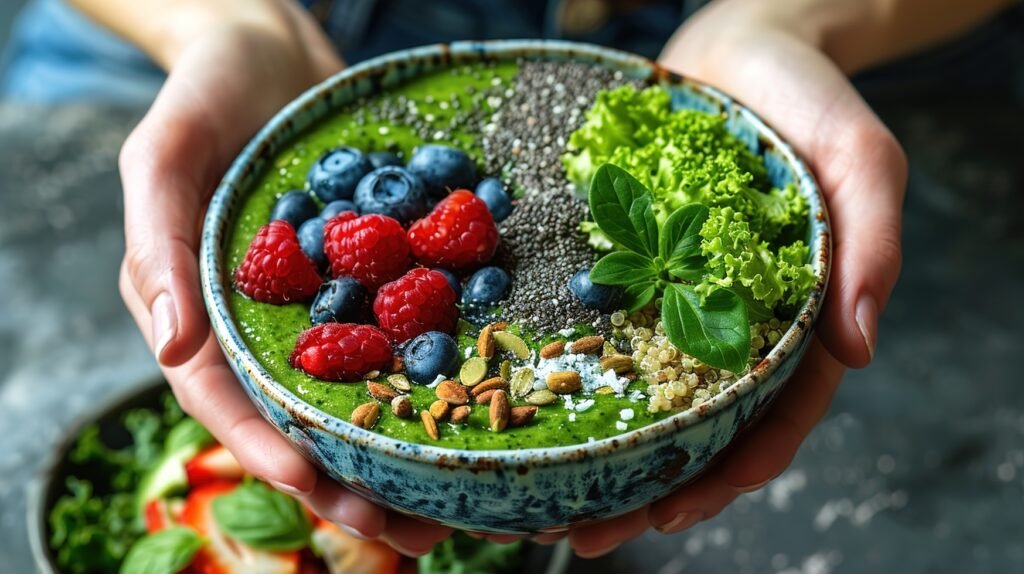
To successfully start a superfood diet, prioritize incorporating a variety of nutrient-dense foods while maintaining a balanced intake of macronutrients. Focus on whole foods such as leafy greens, berries, nuts, and seeds, which provide essential vitamins and minerals. It's important to avoid the common mistake of relying solely on a few superfoods; instead, integrate them into a diverse meal plan that includes a wide range of fruits, vegetables, whole grains, and proteins. This approach will help ensure you receive comprehensive nutrition and support overall health. Additionally, be mindful of portion sizes and any potential allergens to create a sustainable and enjoyable dietary change.
Understanding Superfoods
Superfoods are nutrient-rich foods considered to be especially beneficial for health and well-being. They typically contain high levels of vitamins, minerals, antioxidants, and other essential nutrients that can support various bodily functions. Incorporating superfoods into your diet can help combat oxidative stress, reduce inflammation, and improve overall health. Examples include kale, quinoa, blueberries, and chia seeds. What matters most when starting a superfood diet is to understand that these foods should complement a balanced diet rather than replace other vital food groups.
It’s crucial to recognize that while superfoods can enhance your nutrition, they should not serve as a quick fix or a substitute for a varied diet. For instance, relying solely on a few superfoods without including a wide range of fruits, vegetables, whole grains, and proteins can lead to nutrient deficiencies. A smart approach is to integrate superfoods into meals that already include a mix of food groups, ensuring a comprehensive nutrient profile.
Essential Nutrients to Consider
When prioritizing what to include in your superfood diet, focus on the essential nutrients that support health. Key nutrients include antioxidants, fiber, healthy fats, vitamins, and minerals. Antioxidants, found abundantly in berries and dark leafy greens, help combat free radicals and may lower the risk of chronic diseases. Fiber is critical for digestive health and can be sourced from foods like legumes, whole grains, and fruits.
Healthy fats, such as those from avocados, nuts, and seeds, are vital for brain health and hormone regulation. Vitamins and minerals, particularly those found in superfoods like spinach (iron and calcium) and sweet potatoes (beta-carotene), support various bodily functions. Prioritizing foods that are rich in these nutrients will ensure that your diet is not only superfood-centric but also balanced and health-promoting.
Creating a Balanced Meal Plan
To maximize the benefits of a superfood diet, creating a balanced meal plan is essential. Start by determining your daily caloric needs and how many meals you plan to have. Incorporate a variety of superfoods across meals to ensure diverse nutrient intake. For example, a breakfast smoothie could include spinach, chia seeds, and berries, while lunch might feature a quinoa salad with mixed vegetables and a lemon-tahini dressing.
It’s also important to be mindful of portion sizes and avoid overconsumption of any single food, even if it’s considered a superfood. A meal plan that emphasizes variety will help you meet your nutritional needs without overwhelming your system. Additionally, consider meal prepping to make it easier to stick to your plan and ensure you always have nutritious options available.
Common Mistakes to Avoid
While embarking on a superfood diet, there are common pitfalls that can hinder your progress. One major mistake is focusing too heavily on trendy superfoods while neglecting other important food groups. This can lead to an imbalanced diet and potential nutrient deficiencies. Another mistake is assuming that superfoods alone can solve health issues without considering overall lifestyle choices such as physical activity and stress management.
Additionally, some individuals may overlook potential allergens or digestive sensitivities associated with certain superfoods, such as gluten in some grains or high FODMAP vegetables. It’s vital to listen to your body and adjust your diet accordingly. Keeping a food diary can help identify any adverse reactions and ensure that your superfood diet remains beneficial.
Frequently Asked Questions
What are superfoods?
Superfoods are nutrient-dense foods that are believed to provide health benefits due to their rich content of vitamins, minerals, and antioxidants.
How can I incorporate superfoods into my diet?
Integrate superfoods into meals by adding them to smoothies, salads, or snacks, and ensure a variety of options for balanced nutrition.
Are there any risks associated with superfoods?
Some superfoods may cause allergic reactions or digestive issues in sensitive individuals; it’s important to listen to your body and adjust accordingly.
How do I create a balanced meal plan with superfoods?
Start by determining caloric needs, then incorporate a variety of superfoods along with other food groups, ensuring diverse nutrient intake.
What common mistakes should I avoid on a superfood diet?
Avoid focusing too much on trendy superfoods while neglecting other food groups; balance is key for optimal health benefits.
Conclusion
Starting a superfood diet can be a transformative step towards better health. Prioritize incorporating a range of nutrient-dense foods while maintaining a balanced meal plan to ensure you receive all essential nutrients. Be cautious of common mistakes, such as overemphasizing trendy foods or neglecting potential allergens. By taking a thoughtful approach, you can enjoy the benefits of superfoods while supporting your overall well-being.
Related Content
- Understanding the Cost-Effectiveness of Organic Superfoods: Evaluating Nutritional Value, Long-Term Benefits, and Budget-Friendly Choices
- How to Integrate Superfoods into Meal Prep Routines: Practical Steps and Recipe Ideas
- High-Protein Low-Calorie Foods for Satisfying Meals With Better Pairings and Portions
- What Is Whole Food Nutrition And Why Is It Important?
- What to Consider When Selecting Superfoods for Children: Nutritional Needs, Safety, and Practicality